Medical Dermatologist in Seoul? Not Every Skin Clinic Is One, and How to Check Who Is
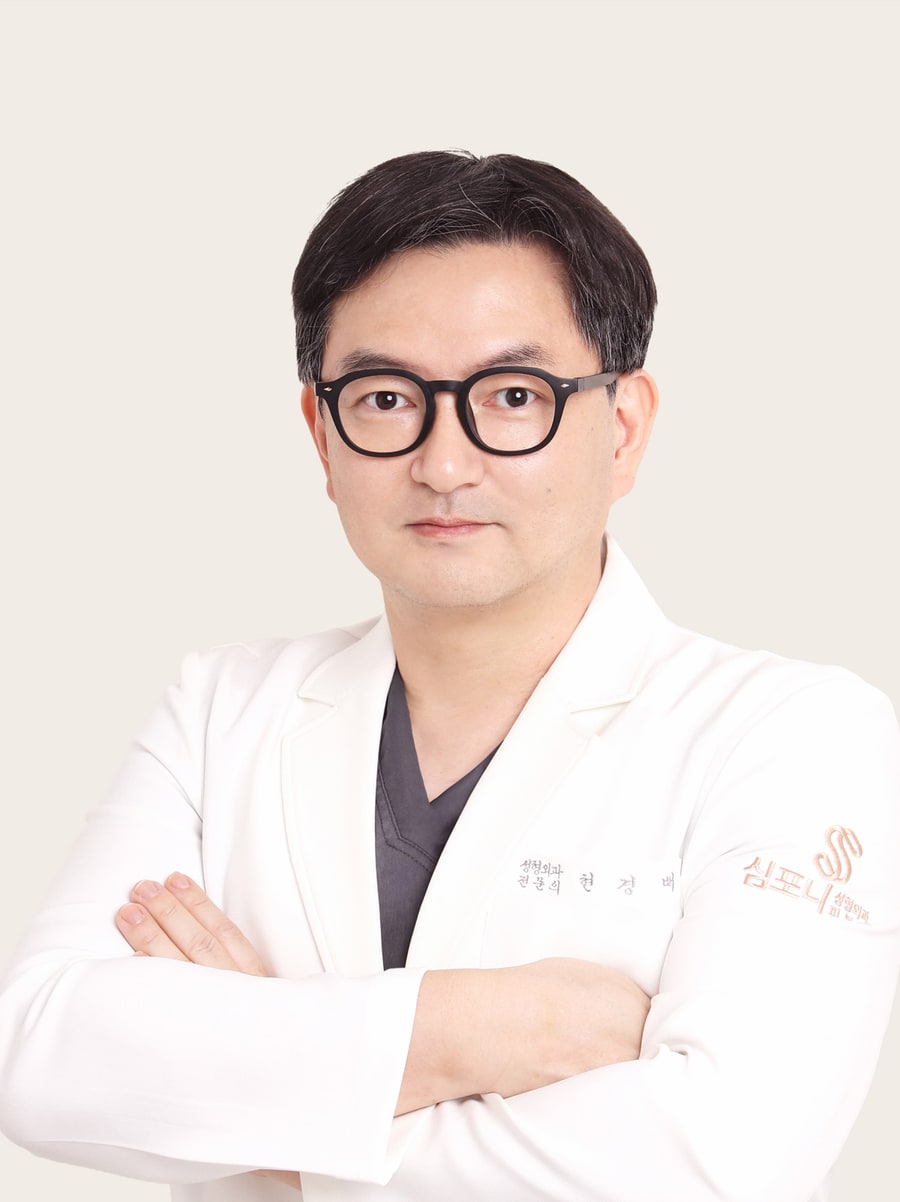
Written by Dr. Hyun Kyung-bae, Chief Director · Plastic surgeon (Korea)Updated 8 min read
In short For a changing mole, eczema or psoriasis, the doctor you want in Seoul is a board-certified dermatologist, usually at a university hospital. Aesthetic skin clinics, ours included, are for skincare, acne marks, scars and lifting.

Is the skin clinic you found near Gangnam the same kind of doctor as the medical dermatologist Seoul residents see for a changing mole, a stubborn rash or a psoriasis flare?
Often it isn't. For a mole, eczema, psoriasis, hives or anything that might need a biopsy, look for a board-certified dermatologist, usually in a university hospital dermatology department. Clinics like ours are built for medical skincare, acne-prone skin, scars, pores and lifting.
Hello, I'm Dr. Hyun Kyung-bae, Chief Director at Symphony in Sinsa, Seoul. My board certification is in plastic surgery. I trained at Yonsei University College of Medicine, teach there as an adjunct clinical professor, and have been at Symphony for 17 years.
So I'd rather sort out which doctor you need before anything else. If your skin is ours to treat, the doctor who consults you is the one who treats you, one patient at a time in a private room, and an interpreter stays with you from reception to the treatment room at no extra charge.
Is every skin clinic in Seoul run by a dermatologist?
No. A doctor's board specialty and the treatments a clinic offers are two separate things, in Korea as in most countries. Many physicians trained in plastic surgery, family medicine or other fields run clinics focused on skin, and lasers, injections and skincare sit well within that work.
What those clinics usually aren't set up for is diagnostic skin medicine: judging a pigmented spot, deciding when to biopsy, adjusting prescription drugs for a chronic disease over months. The useful question is the doctor's specialty, and whether your problem is medical or cosmetic.
When should you see a dermatologist first?
For these, the medical dermatologist Seoul university hospitals employ, or your own doctor at home, is the right first stop:
- A mole that has changed in size, shape or color, bleeds, or looks unlike your others
- A sore or scaly patch that hasn't healed in a few weeks
- Eczema or psoriasis that keeps spreading despite your usual cream
- Red, hot, painful skin together with a fever
- Hives with swelling of the lips, tongue or throat, or any trouble breathing, which means an emergency room today
Rosacea sits in between. The NHS describes it as a long-term condition with triggers that bring on flare-ups, so the diagnosis and day-to-day control belong with a doctor you can see again next month. Lingering redness or texture can join an aesthetic plan once it has settled.
What an aesthetic skin clinic like Symphony is for
Once nothing dangerous is going on, the questions shift to how skin looks and ages. That is our work: oily and acne-prone skin, the marks and dents acne leaves, enlarged pores, stretch marks, where the phase decides the plan, skin quality and lifting. For lifting, how Thermage FLX works and its side effects covers one device in depth; for skin quality, read what exosome treatment is and who it suits.
Not sure which side of that line your skin is on? Send one daylight photo of the spot or area on WhatsApp, without makeup or a filter, say how long it has been there and whether it has changed, and ask whether it belongs with an aesthetic clinic or a dermatologist first.
How do I check a Korean clinic's license from abroad?
There are three checks, and you can do all of them from home.
First, the clinic. In Korea, only medical institutions registered with the Ministry of Health and Welfare may treat international patients, and that registration can be looked up independently on Medical Korea. Symphony is registered, so you can confirm it there rather than taking our word for it. Registration tells you a clinic is permitted to treat foreign patients. It is a legal status, and it doesn't rank anyone.
Second, the doctor. Ask for the name of the doctor who will treat you, then look up their specialty and training on the clinic's doctors page. In Korea a specialist title such as dermatologist or plastic surgeon comes after residency and a national specialty exam, so any clinic should be able to tell you plainly which one its doctor holds.
The U.S. Centers for Disease Control and Prevention's guidance for medical travelers makes the same point: check the qualifications of the people treating you and the credentials of the facility before you go.
Third, the person holding the device. The American Society for Laser Medicine and Surgery's safety tips for patients ask you to find out who actually performs the treatment and what training they have. At Symphony, the doctor who talks through your plan is the doctor who carries it out, and the consultation isn't run by a sales counsellor.
For a longer list, see seven things to check before booking a Seoul aesthetic clinic from abroad, and for injections in particular, four questions that separate wrinkle-relaxing injection clinics in Seoul.
One note on the headlines. Since 2024, Korean news has followed a long dispute over medical school places that put pressure on university hospitals. If your trip depends on a hospital dermatology appointment, check the current wait before you buy flights. Device approvals by Korea's Ministry of Food and Drug Safety make quieter news, but asking whether a device is approved in Korea is a reasonable question to put to any clinic.
Say you have inflamed acne and a week in Seoul
Say you're 31, flying in from Toronto for a week, with painful breakouts along the jaw that return every month, plus flat brown marks and a few shallow dents on the cheeks.
I'd split that face into two problems. The breakouts that keep coming back are a medical question. They often need prescription treatment and several months of follow-up, which is hard to run from a one-week trip. A dermatologist or family doctor at home is the right owner of that part, and their notes are worth bringing with you.
The marks and dents are where an aesthetic clinic helps, and timing matters. Flat brown marks after acne are often postinflammatory hyperpigmentation, which DermNet notes is more common and slower to fade in darker skin, and which further inflammation, including from treatments, can worsen. Treating hard while breakouts are still active can leave more marks. For you, I'd calm the skin first and save anything aggressive for when the breakouts are under control.
Depressed acne scars are a separate program here, built on Mirajet with Juvelook. If you want to see what drives the number of sessions and vials, what decides how many Juvelook vials you need walks through it.
Redness, bruising and new dark marks: risks, and who should wait
After most skin treatments, some redness and swelling for a few hours to a couple of days is common, and injections can leave small bruises that usually fade within about a week. Less often, treated skin darkens for weeks, especially skin that tans easily; that is the postinflammatory pigmentation described above. How strongly your skin reacts varies from person to person, which is why the exact plan is set only after the doctor examines you in person.
It's usually wiser to wait if you have:
- A cold sore, infection or open breakout at the treatment site
- Taken isotretinoin for acne recently (bring the dates)
- Had a laser, peel or waxing on the same area in the last couple of weeks
- A pregnancy, or you are breastfeeding
- A known allergy to an ingredient, such as the fish-derived polynucleotides in some boosters
- Rosacea or eczema in an active flare
If something comes up after you fly home, you leave with a written recovery guide in your language, and there are WhatsApp check-ins on day 1, 3 and 7 where you send a photo, with guidance at day 30 on when maintenance would be due. If something looks off, your photo and message go to the physician, and the reply comes from the physician.
That is recovery guidance, not remote treatment, so if a symptom worries you, see a doctor where you are and tell us what they found so we can inform your physician.
How do you fit a skin appointment into a week in Seoul?
We're open weekdays 10:00 to 19:00 and Saturdays 10:00 to 17:00, and closed on Sundays and Korean public holidays. The clinic is about a 10-minute walk from Exit 8 of Sinsa Station on Line 3.
Say you land on a Wednesday night. Thursday is your consultation and, if the plan suits you, treatment can follow; the downtime listed on our treatment pages runs from none to short, and which one applies to you is part of that plan. Keep Friday free in Seoul as a buffer.
If you'd like the doctor to look again before you leave, Saturday is open until 17:00, and Sunday is closed, so plan your flight home for Sunday or Monday with the recovery guide in your bag and the day-1 check-in already on your phone.
Before any session starts, you hear the whole plan and the total. If you'd like a feel for what moves a quote, what changes the total for an exosome session and what decides the Thermage FLX price show the factors for two treatments. Treatment pages and the photo consultation are on Symphony's English site.
Start with one daylight photo of the area on WhatsApp, your travel dates, and the name of any prescription you're on, and ask the question that matters for your own case: should this be treated in Seoul, or shown to a dermatologist first? A photo gives a direction, and the details are settled at your consultation. The deposit and how you pay are worked out after that consultation too, so you can raise them in the same chat.
In the room in Sinsa, the first thing I'll check is whether the redness or marks you photographed are still active, because that decides whether we calm your skin first or start on the marks.
Questions patients ask us
Can a doctor in Seoul write a prescription I can fill back home?
Usually not. Most pharmacies outside Korea won't fill a Korean prescription, so for a chronic skin condition bring enough of your own medication and keep your home doctor in charge of refills.
Do you treat active acne, or only acne scars?
Both appear on our treatment pages. Medical skincare, the pore program and hyperbaric oxygen therapy list acne-prone skin and inflamed breakouts, and the scar program is for the marks and dents acne leaves behind.
Can I write to the clinic in English?
Yes. The photo consultation runs one-on-one in English on WhatsApp, and at the clinic an interpreter is with you from reception to the treatment room.
Does Medical Korea registration mean a clinic has been rated?
No. It means the Ministry of Health and Welfare has registered the clinic as permitted to treat international patients. It is a legal status to confirm, and you still check the doctor's specialty separately.
What should I bring from my doctor at home?
A list of current medications with doses, any diagnosis letter, the dates of any isotretinoin course, and phone photos of past flares. These help separate an active skin condition from marks that are ready to treat.
Will travel insurance cover a skin clinic visit in Korea?
Cosmetic treatments are usually excluded from travel insurance, while an urgent problem such as a skin infection may be covered. Read your policy wording before the trip rather than after.
Sources
Treatment details: Symphony Skin Clinic treatment information, checked Nov 11, 2026.
This page is general information from Symphony Skin Clinic, not a diagnosis. Results, risks and recovery differ by person. Treatment is decided after an in-person consultation with a licensed doctor. Clinic and treatment photos on this page were taken at Symphony Skin Clinic.
Keep reading
- Scar / Stretch MarkStretch mark treatment in Korea: the phase decides the planStretch mark treatment in Korea starts by separating the red phase from the white: they are different events in the skin. Symphony: 300,000-500,000 KRW.8 min read
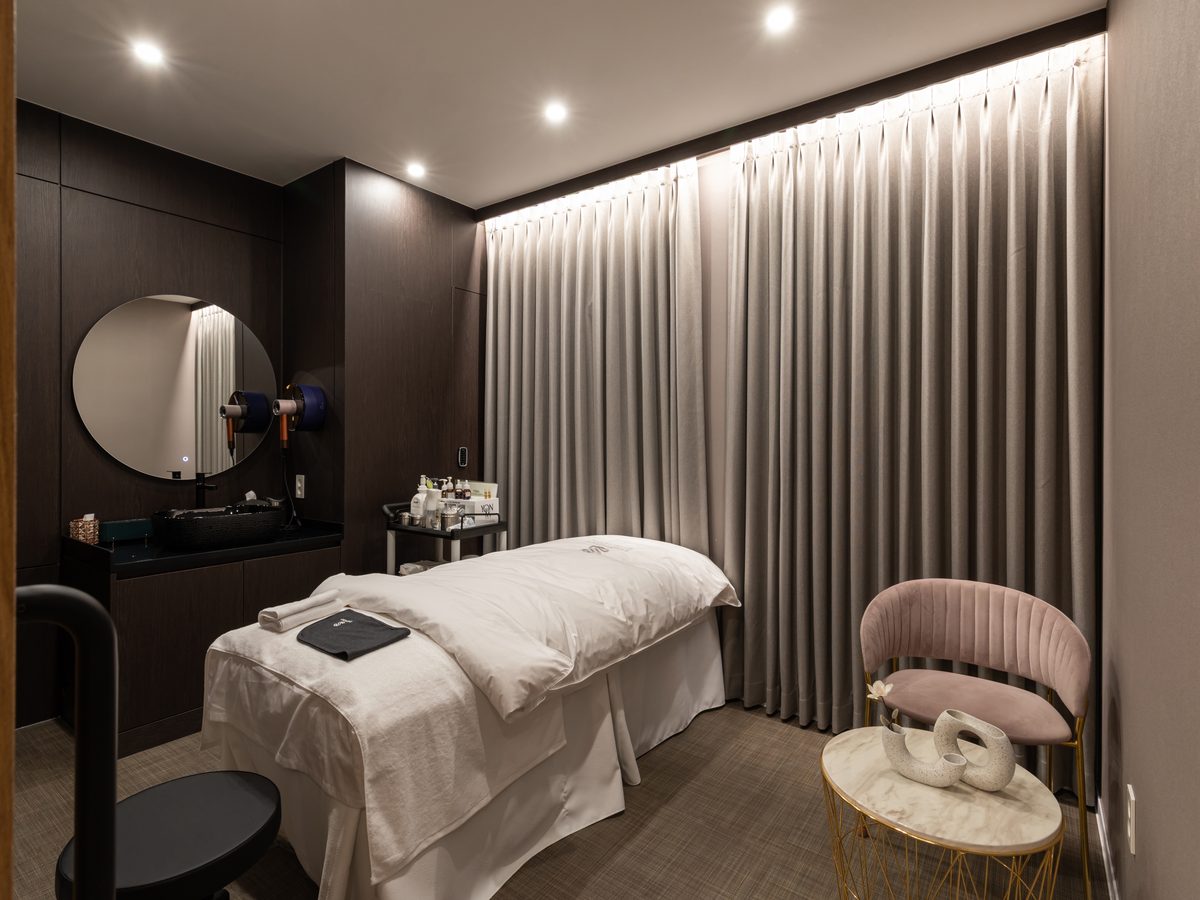
- Lifting / FirmnessThermage in Korea: how FLX works, honest side effects, and choosing a Seoul clinicHow Thermage FLX works, who it suits, what side effects to expect and what to ask a Thermage Seoul clinic. Doctor-reviewed guide with a WhatsApp quote.8 min read
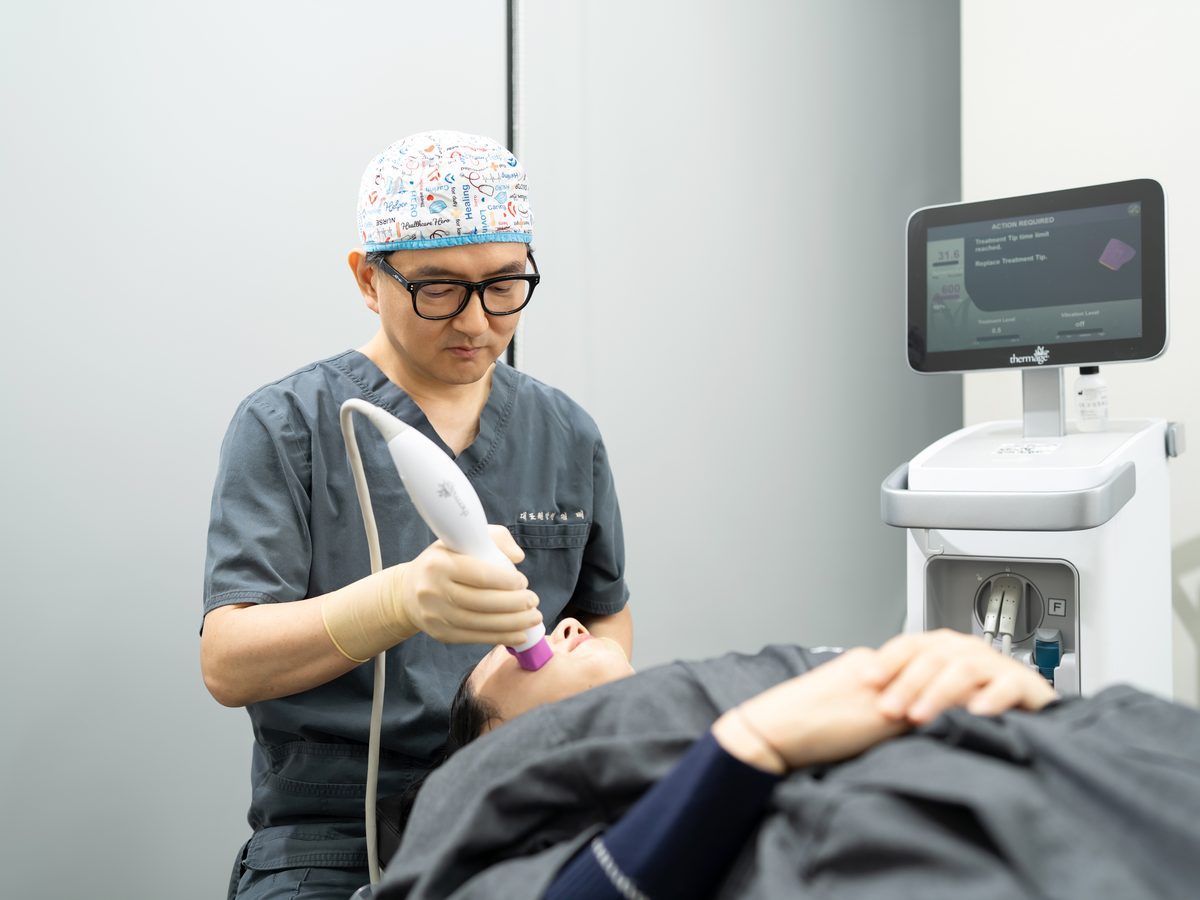
- Skin BoosterExosome treatment in Korea: what it is, how we deliver it, and who it suitsWhat exosome treatment in Korea is, how a doctor sets the units and delivery route, who it suits and what recovery looks like. Doctor-reviewed guide from Seoul.7 min read