


Comfort
Lowering the pain
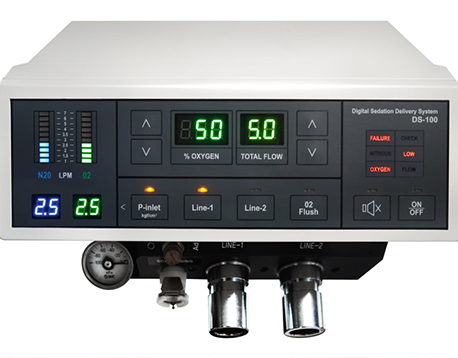
AirNox and topical cream are both on hand. Which one is used depends on the treatment and on your skin that day.
Early and late · MIRAJET · a combined protocol
A stretch mark is what is left when skin stretches faster than it can keep up: the epidermis thins and collagen in the dermis tears. The red phase and the white phase are different events inside the skin, so one method rarely answers both. Symphony separates the phase first, then works on colour and depth together.
※ The final plan and cost are confirmed by your physician after an in-person examination at the clinic. Results and recovery vary by individual.

Stretch marks appear when skin responds to a rapid change. What is left is a place where the epidermis has thinned and the collagen in the dermis has torn — working on the surface alone does not reach it.
So two things are read together: the colour you can see, and the depth you cannot. Early on, vessels and inflammation sit at the centre of the problem; later it is collagen and tethered tissue.
How much can be reached depends on how long the mark has been there. That is the first thing we tell you, before any plan is drawn.
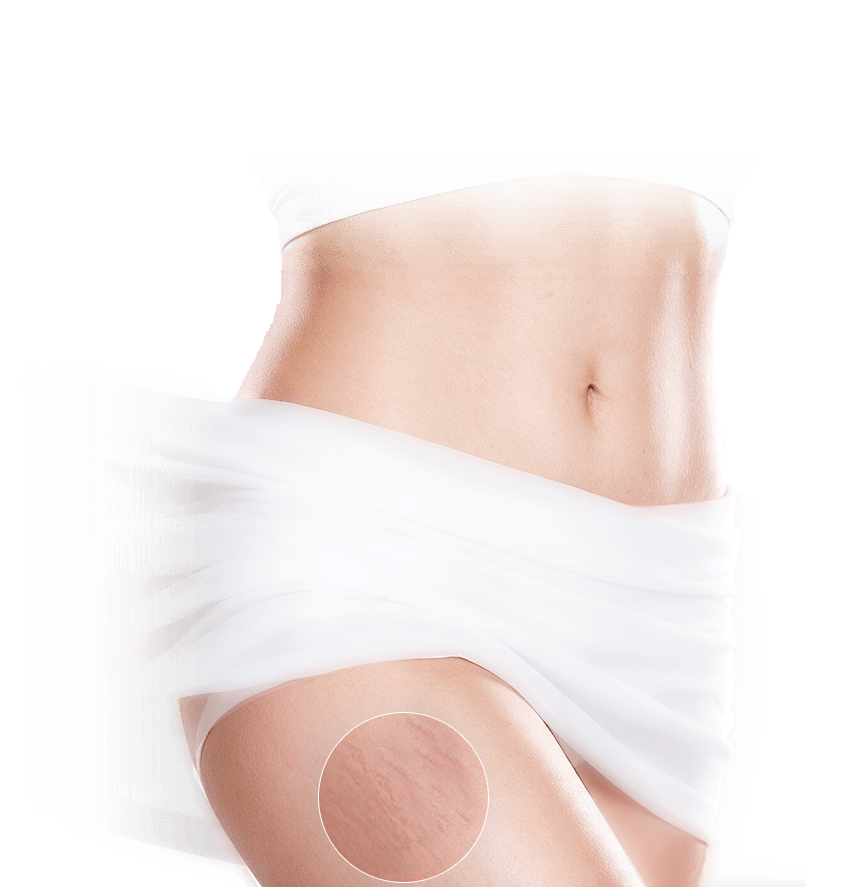
Stretch marks appear when skin responds to a rapid change. The approach differs with the cause and with how long they have been there.


Stretch marks are how skin responds to a rapid change. Symphony works on the colour and the depth in one plan.
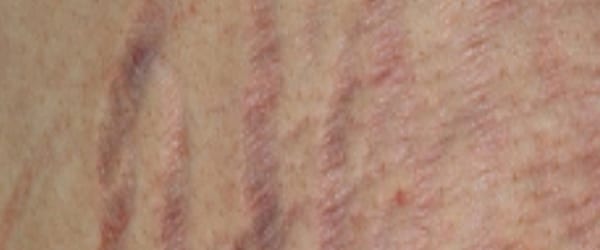
This is the window where the skin still responds.
The early stage, red or purplish: vessels are dilated and the inflammatory response is still active.
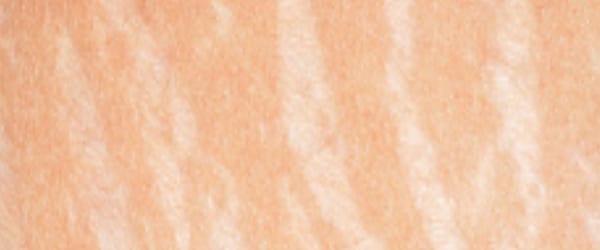
There is still work that can be done at this stage.
Colour and depth are approached at the same time — inducing dermal collagen and releasing the tissue that has tethered.
The Symphony protocol turns the pressure of a laser into delivery, sending regenerative agents such as Juvelook directly into the dermis.
Stretch marks are a wide-area problem that has to be covered in several passes. Covering that area with a needle raises pain and recovery together.
No needle enters and no heat is produced — over an area that is wide and has to be repeated, those two decide whether a course can be carried through.
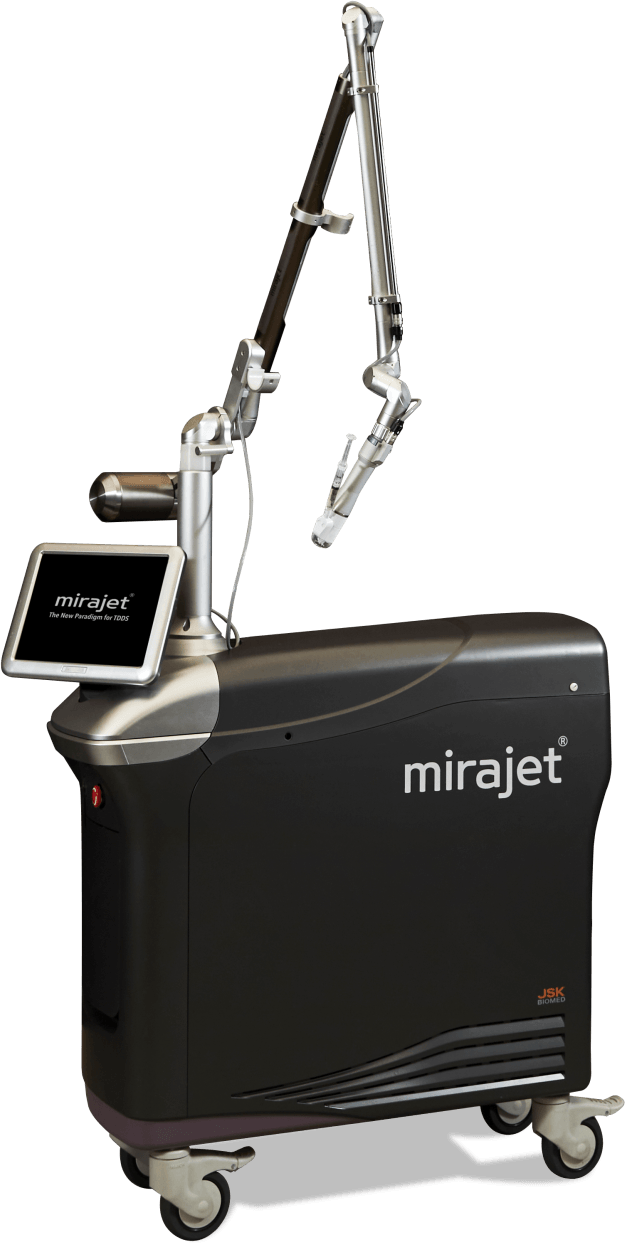
Up to 2,400 shots a minute. A wide area such as the abdomen or the thighs can be covered inside one session.
Five treatments are combined according to the colour, depth and width of the mark, from vessels and inflammation through to dermal collagen.
Regenerative agents delivered into the dermis by MIRAJET — the core of every protocol.
When it is usedEarly and middle stages
Fine stimulation induces collagen and evens out the texture of shallow dips.
When it is usedLight, shallow dips
Heat in the dermis induces collagen remodelling, supporting the deeper dips.
When it is usedMiddle and late white marks
The tethered dermal tissue is released so the depression can lift — the key card for white marks.
When it is usedOld, deep dips
The deeper step of the combined protocol, supporting the skin's own repair.
When it is usedImproving the regenerative environment
Four differences decide what a patient actually feels and how a treatment is chosen.
| Conventional PRP | The Symphony MIRAJET stretch mark programme | |
|---|---|---|
| Pain | Anaesthesia is required and there is pain during the treatment | No needle enters, so pain and the need for anaesthesia are lower |
| Heat damage | There is a risk of burns from laser heat | No heat is produced, so that risk is lower |
| White stretch marks | Pale, sunken marks are difficult to improve | A combined protocol approaches colour and depth together |
| Fit to the person | A fixed protocol is applied uniformly | Agents and devices are set one to one for the skin type and the area |
 AssessmentThe colour and depth of the marks, the area and the extent. Whether it is the early or the late stage is decided here.
 Planning togetherThe protocol is set for the person — which combination, over how many sessions.
 TreatmentMIRAJET as the axis, with what that session needs added on top.
 Follow-upThe response is reviewed and the interval and make-up of the next session adjusted.
It varies a great deal with depth and with how long the marks have been there. Commonly three to five sessions or more, three to five weeks apart, as a combined protocol.
Yes. Red marks are treated by calming the redness and the inflammation; white marks by inducing collagen and releasing tethered tissue to work on the dip.
MIRAJET uses neither needle nor heat, so the burden of pain is lower than with needle-based work. Topical cream is applied, and sedation can be added if needed.
Returning the skin to its original state is not possible. What treatment aims at is narrowing the colour and the dip towards the surrounding skin so that they are less noticeable.
That page covers marks in general, including acne scars. This one looks only at stretch marks, separated by stage. When both are present, the order is set inside a single plan.
Not a list of machines — the things this clinic actually does while one person is being treated.
AirNox and topical cream are both on hand. Which one is used depends on the treatment and on your skin that day.
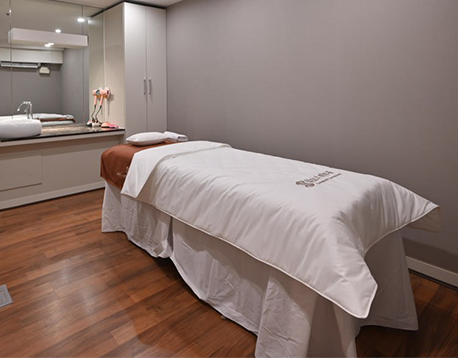
Appointments are spaced so the treatment room is yours from beginning to end.
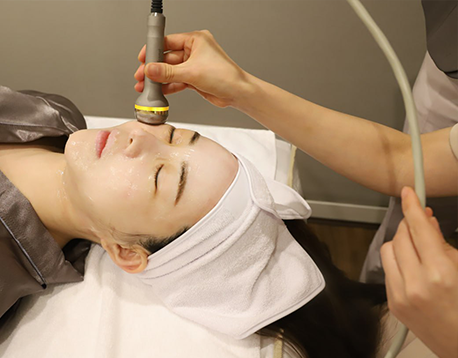
After the treatment, the care steps are set against how your skin actually responded.
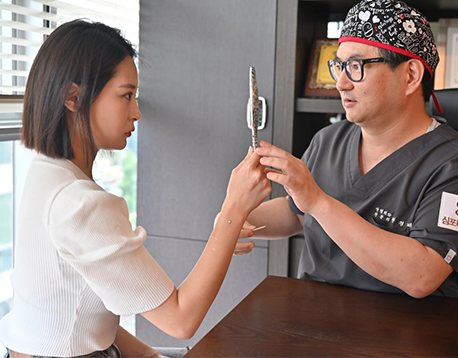
The doctor who consulted with you writes the plan and performs the treatment.
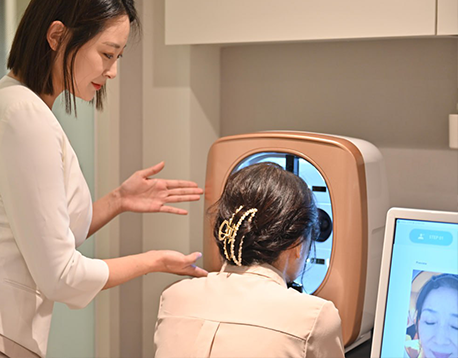
What the skin analyser measures is kept, so the next session starts from the last one.
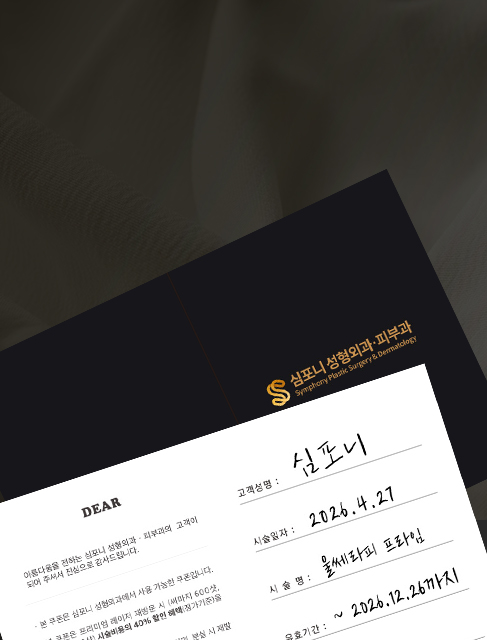
40% off when you return for a laser treatment. Which treatments this covers, and the list price it is calculated from, are explained at consultation.
Free, one-on-one, and nothing is decided until you see the plan in person.