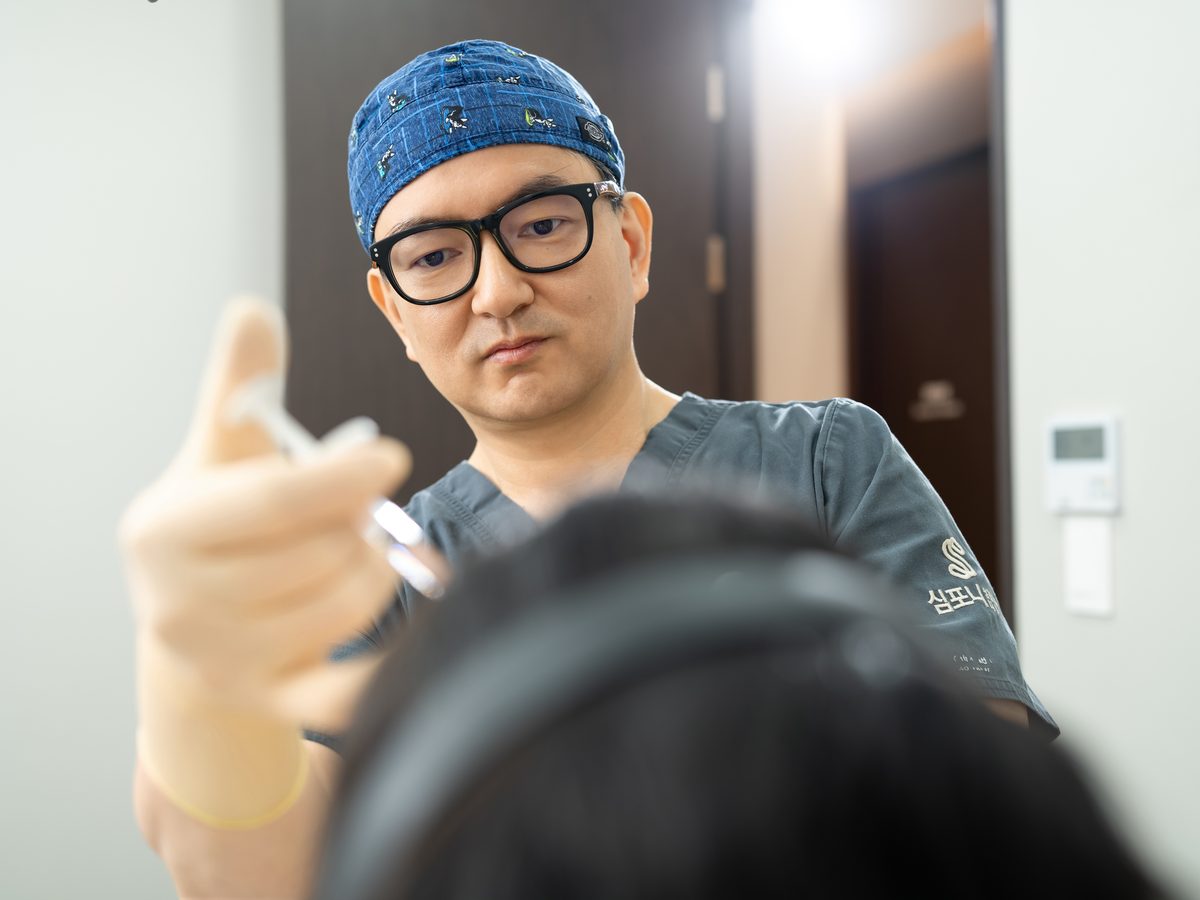
Korea Glass Skin Treatment: Usually a Booster Plan Chosen by What Your Skin Lacks

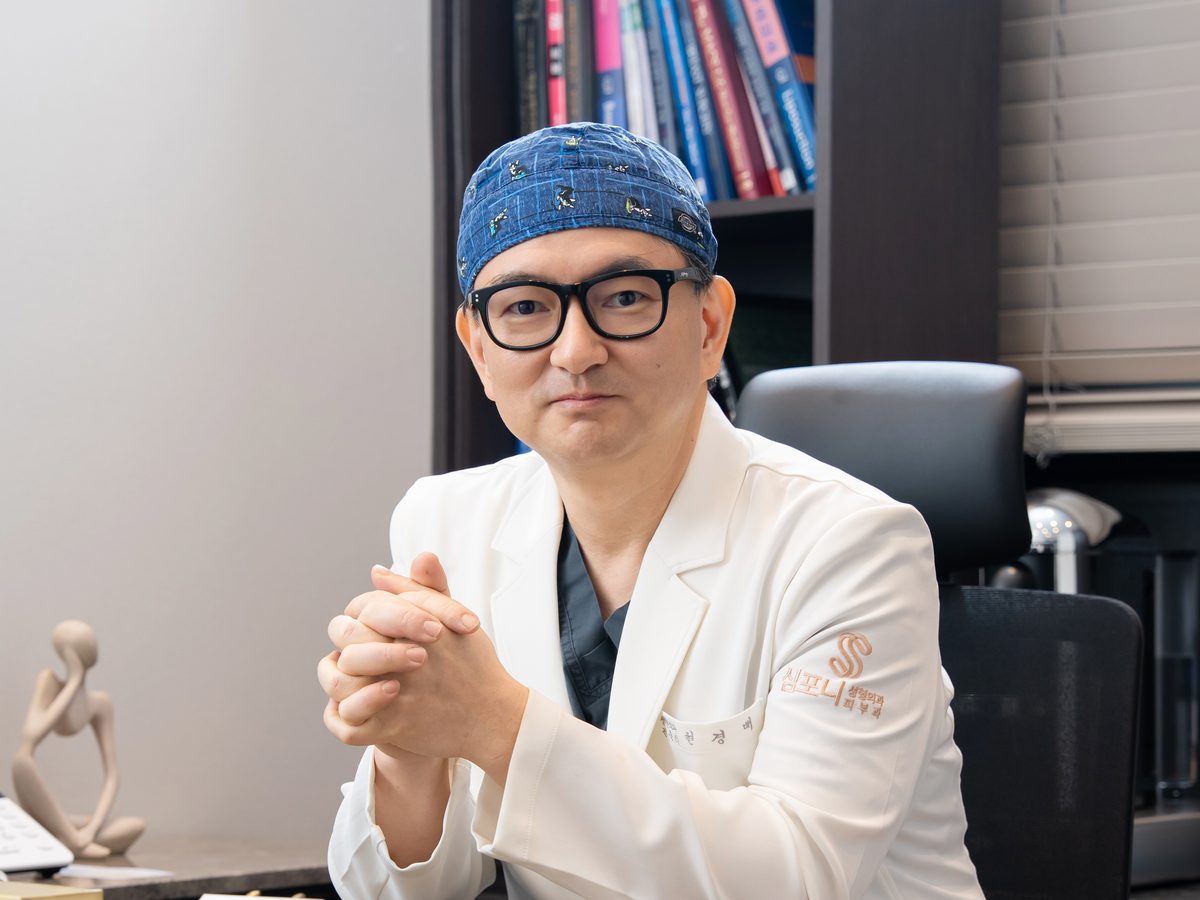
Written by Dr. Hyun Kyung-bae, Chief Director · Plastic surgeon (Korea) · Reviewed by Dr. Kang Eun-joo, DirectorUpdated 7 min read
In short A Korea glass skin treatment is usually a short plan of injected skin boosters, chosen by whether your skin lacks water, smooth texture or even tone. Here is how each works and who should wait.

A Korea glass skin treatment is usually a short plan of injected skin boosters, sometimes paired with pore or texture care, picked according to what your skin is missing: water, smooth texture or an even tone. On our menu that ranges from hydrating boosters to collagen-prompting injectables such as Juvelook Volume, which is aimed more at uneven texture and shallow dips than at plain dryness. If you're in your forties and wondering whether that dewy look is possible on your skin, or only on a filtered 22-year-old, that's the right question to start with.
At Symphony the doctor who talks through your plan is the doctor who carries it out, and an interpreter stays with you from reception to the treatment room in English, Japanese or Chinese. If a treatment wouldn't change what you came in for, we say so.
What does glass skin look like on skin past 40?
Glass skin is skin that reflects light evenly. Think of a still pond next to a gravel path: both get the same sunlight, and only the smooth one gives it back as a sheen.
After 40 the dermis usually holds less water and less collagen, and pores tend to look larger as the skin around them loosens. Pores stay visible at any age. The target for most people is skin that catches the light evenly when they turn their head.
Three things a glass skin photo is usually showing
Each of these points to a different kind of care.
- Water. Skin that looks flat and tight by mid-afternoon is often short on hydration in the dermis. Hydrating boosters aim here; with our custom boosters, ingredients and concentration are decided on the day according to hydration and skin condition.
- Texture. Fine crepiness, rough patches and small dents scatter light. Polynucleotides (how Rejuran works in the skin) and PDLLA products work on this layer, and choosing between Juvelook and Juvelook Volume comes down to how deep the texture problem sits.
- Tone. Brown patches or redness break up the reflection. Whether pigment sits in the epidermis or the dermis can only be read in person.
Why can't a cream or a facial at home do the same?
Most skincare stays near the surface. The dermatology paper behind the 500 Dalton rule explains that compounds much larger than about 500 daltons generally don't pass the skin's outer barrier, and the hyaluronic acid in most serums is far larger. It hydrates the top layer for hours, which is why a facial can give you a glow for an evening.
Boosters are placed in the dermis, where skin holds its water and builds collagen. Home care still protects that work: daily sunscreen, a mild cleanser, a moisturizer.
If you can't tell which of the three your skin is showing, take two photos by a window in daylight, no make-up or filter, one straight on and one at an angle. Send them on WhatsApp with the one question you most want answered, such as whether dryness or texture should come first.
How the boosters in a Korea glass skin treatment work
Hyaluronic acid boosters are the most direct route to the dewy part. Injected in tiny amounts across the face, HA draws water into the dermis, and the plumpness usually shows within days. The body gradually absorbs it, so the effect fades over the following months and is usually topped up.
Polynucleotides, the DNA-fragment ingredient in Rejuran, are used for skin quality: fine lines, thinness and texture. A systematic review in the Journal of Cosmetic Dermatology gathered the published studies on them in esthetic medicine. It is a younger evidence base than the one behind hyaluronic acid, and I'd rather you know that before you book. Exosome treatment is sometimes added to the same plan for skin recovery and tone.
PDLLA injectables such as Juvelook work more slowly. The aim isn't to add material for its own sake but to prompt the skin to form its own collagen, and that usually shows over weeks rather than days. Mirajet, a needle-free delivery device on our menu, is paired with Juvelook when the texture is acne scarring.
Two other tools come up in glass skin searches. Some doctors place shallow micro-doses of botulinum toxin to reduce oil and the look of pores. And if your real complaint is looseness along the jaw, a booster won't fix it. That is a lifting question: Sofwave works at a different depth, and what Thermage FLX changes in the months after is a separate conversation.
Who a glass skin treatment in Seoul suits, and who should wait?
In short, it tends to suit you if your skin is dry or dull, has fine texture or mildly enlarged pores, and you want to look rested while still looking like yourself. It suits you less if the main thing bothering you is sagging, deep folds or a brown patch that returns every summer. Those have their own plans.
Wait if you have an active acne flare, an eczema or rosacea flare, or sunburn on the face, if you're pregnant or breastfeeding, or if a big event is only a few days away. Tell the doctor if you take blood thinners, bruise easily, or have had keloids or dark marks after spots or injuries.
If what looks like rough texture is really old acne scarring, the plan starts from a different reading of the scar shape. The same collagen-prompting logic is used on the body for stretch marks, where the phase of the mark decides the plan.
Risks and side effects to know
Injected boosters usually leave small raised bumps at the injection points for a day or so, with redness and some swelling. Bruising is possible, especially around the eyes, and can take a week or more to fade. Lumps can form if product sits too shallow or unevenly, and collagen stimulators carry a small risk of nodules that appear weeks later. Infection is uncommon but needs prompt care.
Any skin injury or inflammation can leave dark marks behind. DermNet describes this as postinflammatory hyperpigmentation, which is more common in darker skin types and can take months to fade. How your skin responds varies from person to person, and whether a booster is right for you is decided at the in-person exam.
If something worries you after you fly home, see a doctor where you are. The CDC's medical tourism guidance is to talk to your own doctor before you travel, keep copies of your records, and plan follow-up care for when you return.
What a booster appointment usually feels like
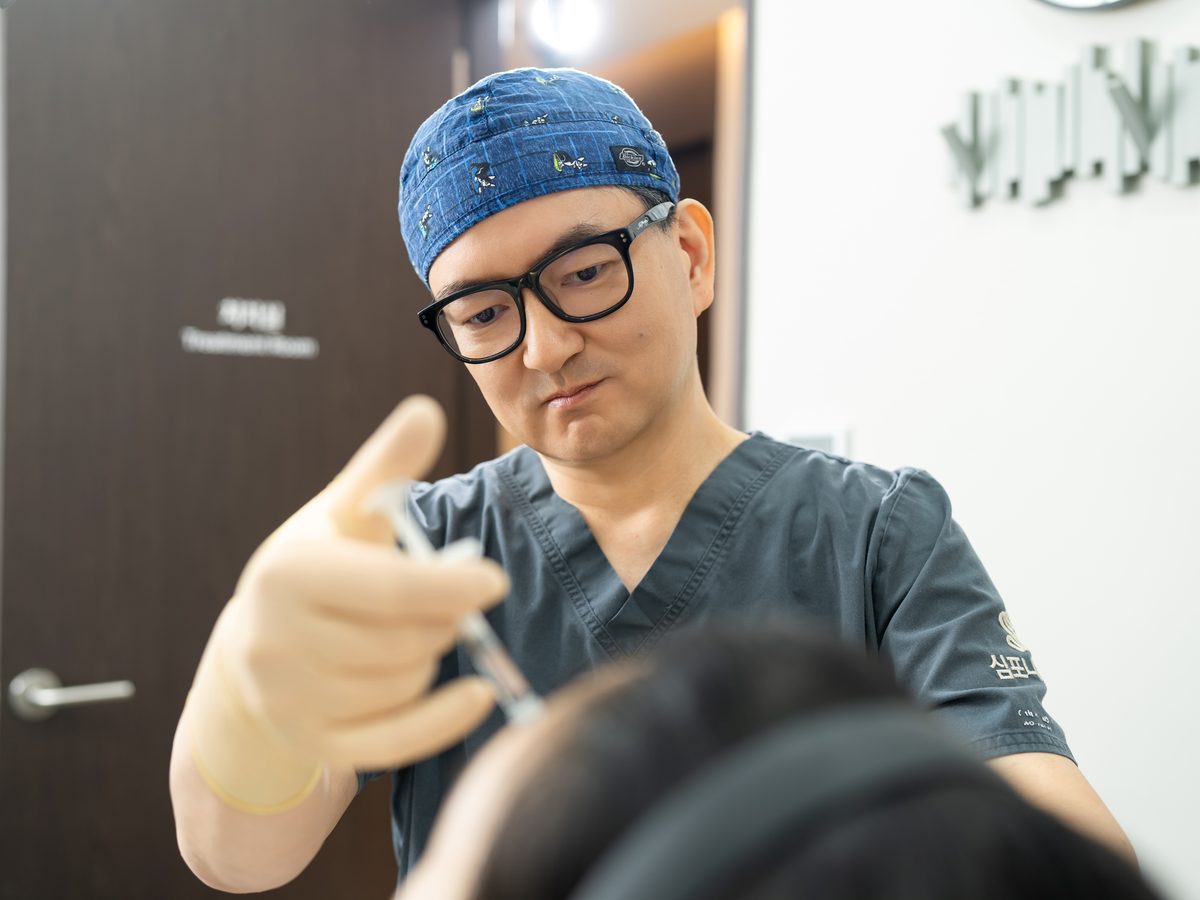
Most booster sessions begin with numbing cream on clean skin. The injections are many small, shallow passes across the face, felt as quick pricks with a short sting as product goes in.
For the rest of that day your skin may look pink and bumpy, a little like a fine rash. Many people skip make-up until the next morning and avoid saunas, hard workouts and alcohol for a day or two. None of this needs special equipment at your hotel, but it does mean the evening of treatment is a quiet one.
The change in the mirror comes in two speeds. Hydration shows within days. Collagen-prompting products keep working for weeks after you are home, which is why they are often given as a course spaced weeks apart.
How do I fit it into a trip to Seoul?
We work by appointment, one patient at a time, in a private treatment room. The clinic is on the 2nd floor at 165 Dosan-daero, Gangnam-gu, about a 10-minute walk from Exit 8 of Sinsa Station on Line 3.
Hours are 10:00-19:00 on weekdays and 10:00-17:00 on Saturdays. We are closed on Sundays and Korean public holidays, so a Sunday arrival means a Monday visit at the earliest.

A few general points help with timing. Don't book injections for the day before your flight. Give bumps and redness at least a couple of days to settle before photos or a long flight, and longer if you bruise easily. If you visit Seoul more than once a year, a course of collagen-prompting sessions fits your trips; if this is a single visit, hydration is the part you will see before you leave.
Our English homepage lists each treatment and explains the photo consultation, if you want to read the menu before writing to us.
The exact plan, order and amount are set at your consultation in the clinic. Until then, send the dates you could be in Seoul on WhatsApp together with those two daylight photos, and ask the question this page started with: is the dullness in your skin mostly water, texture or tone?
Questions patients ask us
How do I get Korean glass skin at home?
Daily sunscreen does the most, because UV breaks down collagen and deepens uneven tone. Add a mild cleanser, a moisturizer with humectants such as glycerin or hyaluronic acid, and only as much exfoliation as your skin tolerates; over-exfoliated skin looks shiny and irritated. Home care keeps the surface hydrated but doesn't reach the dermis.
Is a Korean glass skin facial the same as a glass skin treatment in South Korea?
Usually not. A facial works on the surface: cleansing, peeling and hydration that give a glow for a few days. Injected boosters place material in the dermis. Our menu includes medical skincare such as Aqua Peel Care, which works on pore cleansing, built-up dead skin and blackheads, and some people pair surface care like this with boosters.
How many days before a flight or an event should I have it?
Bumps and redness from booster injections usually settle within a day or two, but a bruise can take a week or more to fade. If you have a wedding, a work event or a long flight coming up, leave as much margin as your trip allows and mention the date at your consultation.
Can I consult in English?
Yes. The photo consultation runs one-on-one in English on WhatsApp, and at the clinic an interpreter is with you from reception to the treatment room.
Will people be able to tell I've had something done?
Hydrating and collagen-prompting boosters change how skin reflects light, not the shape of your face. What people usually notice is that you look rested. The visible part is the small bumps and pinkness in the first day or two.
Does a glass skin treatment shrink enlarged pores?
It can make pores look smaller when they are enlarged because the skin around them has lost firmness. Enlarged pores are read as one of three types, scar-type, loss of firmness or excess sebum, and the plan follows the type. Oily or scar-type pores usually need pore care alongside or instead of boosters.
Sources
- The 500 Dalton rule for the skin penetration of chemical compounds and drugs
- The Effectiveness of Polynucleotides in Esthetic Medicine: A Systematic Review
- Postinflammatory hyperpigmentation
- Medical Tourism
Treatment details: Symphony Skin Clinic treatment information, checked Oct 21, 2026.
This page is general information from Symphony Skin Clinic, not a diagnosis. Results, risks and recovery differ by person. Treatment is decided after an in-person consultation with a licensed doctor. Clinic and treatment photos on this page were taken at Symphony Skin Clinic.
Keep reading
- Skin BoosterRejuran in Korea: a skin treatment that is not a fillerRejuran korea explained by a Seoul clinic: what polynucleotide does, why it is not a filler, and how Rejuran, Rejuran i and Rejuran HB differ from each other.8 min read
- Collagen / VolumeChoosing a Juvelook clinic in Korea: Juvelook or Volume first, then four questions to askChoosing a juvelook korea clinic? How standard Juvelook and Juvelook Volume differ (24 vs 40 μm), and four questions you can put to any clinic in Seoul.8 min read
- Skin BoosterExosome treatment in Korea: what it is, how we deliver it, and who it suitsWhat exosome treatment in Korea is, how a doctor sets the units and delivery route, who it suits and what recovery looks like. Doctor-reviewed guide from Seoul.7 min read