Ultherapy in Korea: what it actually does, how we plan it, and who it fits
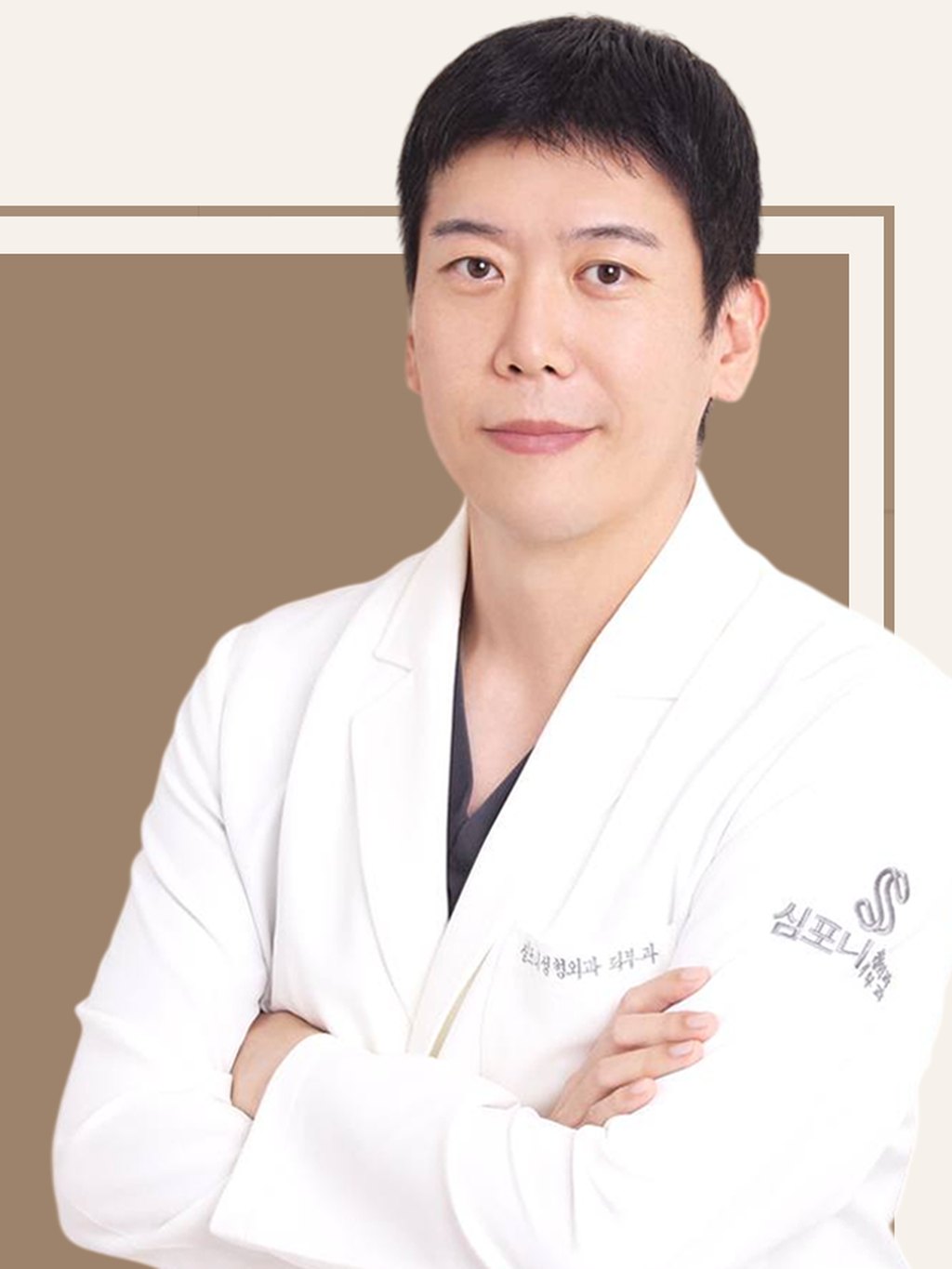
Reviewed by Dr. Ko Dong-il, DirectorUpdated 8 min read
In short Ultherapy in Korea uses focused ultrasound to heat the SMAS layer, the same fascia a surgical facelift works on, so the change builds over months rather than on the day. At Symphony Skin Clinic a session runs 30 to 90 minutes with same-day return, and the layer is confirmed on live ultrasound imaging before any energy is delivered.

Most people who search ultherapy korea already know the treatment is for lifting, not filling. What they want next is how it works under the skin, whether their face is a good fit, and what a visit to a Seoul clinic actually involves. How the device and tips are used at Symphony is set out on our Ultherapy treatment page; this guide answers questions in the order people usually ask them.
This guide covers what Ultherapy does at depth, how Symphony plans and confirms that depth before treating, who it suits, what to expect on the day, and how it compares with the other lifting devices we use.
What Ultherapy actually does
High-intensity focused ultrasound is concentrated at a single depth under the skin. At the SMAS layer, that energy coagulates tissue in the 60 to 70 degree C range, the temperature at which collagen forms. Nothing is cut and nothing is injected.
The coagulation points are treated by the body as something to repair, so collagen keeps forming for months after the session. Symphony uses Ultherapy PRIME, which adds a sharper DeepSEE ultrasound view of the layers being treated.
How Symphony plans the depth
Fat thickness and the position of the fascia differ between people, and between regions of the same face. Firing on the assumption that the layer sits where it usually does is how results vary between clinics.
- See. Real-time ultrasound imaging shows the tissue layers under the skin before anything is delivered.
- Plan. Line length, energy level and shot count are set for the face in front of us, at consultation.
- Treat. Energy is delivered line by line, to the depth and areas agreed in the plan.
Who this fits, and who we do not recommend it for
Ultherapy is not a fit for everyone searching for a lift. We do not recommend the standard 3.0 or 4.5 mm tip on the thin skin around the eyes; used there it can leave the under-eye area looking hollow.
- Jawline and cheek laxity without a surgical amount of excess skin: a common fit for the standard tip.
- Thin skin around the eyes: treated with the dedicated 1.5 mm eye tip at a shallower depth, not the face tip turned down.
- Looking for an immediate, dramatic change: Ultherapy builds over months. A same-day result is not what this device is for.
What a session involves
A session takes 30 to 90 minutes depending on the area, with a compounded topical cream as standard comfort. Inhaled nitrous sedation or monitored IV sedation is available on request, with a private room to settle in afterward.
There is no wound and no dressing, so normal activity and travel usually resume the same day. Results are typically expected to hold for 6 months to a year, and sessions are usually spaced 6 to 12 months apart.
Ultherapy, Thermage or Sofwave: which layer needs the work
These three lifting devices work at different depths, so the choice usually comes down to what has loosened rather than brand preference.
| Ultherapy | Thermage FLX | Sofwave | |
|---|---|---|---|
| Energy | Focused ultrasound | Monopolar radiofrequency | Ultrasound (SUPERB) |
| Target layer | SMAS | Dermis | Mid-dermis |
| Session | 30-90 min | 30-40 min | About 30 min |
| Downtime | Same-day return | Same-day return | Same-day return |
| Usual interval | Every 6-12 months | Every 6-12 months | Every 6-12 months |
Based on each device's published specifications and how Symphony schedules sessions.
If both lift and skin texture need work, Ulthermajet combines Ultherapy-type lifting with radiofrequency in one 60 to 90 minute visit. For texture and tightening without the lift, see Thermage FLX pricing and shot counts. The full lineup is on our lifting overview.

For what changes the quote between shot counts and areas, see Ultherapy pricing in Korea. For what a realistic timeline of change looks like, see Ultherapy before and after in Korea. If you are still deciding between clinics, what to check before booking Ultherapy in Seoul sets out the questions worth asking, and frequently asked questions about Ultherapy covers side effects and at-home devices.
Questions patients ask us
Is Ultherapy the same as a facelift?
No. Ultherapy heats the same SMAS layer a surgical facelift works on, but nothing is cut. The change is gradual, building over months as collagen regenerates, rather than an immediate surgical result.
How is Ultherapy different from an at-home ultrasound device?
At-home devices run at lower energy for safety outside a clinical setting. Ultherapy at Symphony delivers higher-intensity focused ultrasound to a confirmed depth under live imaging, which a handheld home device is not designed to do.
Does Ultherapy hurt?
Focused ultrasound is felt as the energy is delivered. Topical cream is enough for most patients; inhaled or IV sedation is available if you would prefer it.
How soon will I see a result?
Some tightening can be noticed early, but the main change builds as collagen regenerates over the following months. We go through a realistic timeline at consultation.
Can I combine Ultherapy with another treatment in one trip?
Yes. It is often planned alongside Thermage or a custom skin booster in the same visit. The combination and order are set at consultation.
Is Ultherapy safe for the eye area?
The eye area is treated with the dedicated 1.5 mm eye tip at a shallower depth, not the standard face tip. This is a different setting, not the same setting turned down.
Sources
Treatment details: Symphony Skin Clinic treatment information, checked Oct 1, 2026.
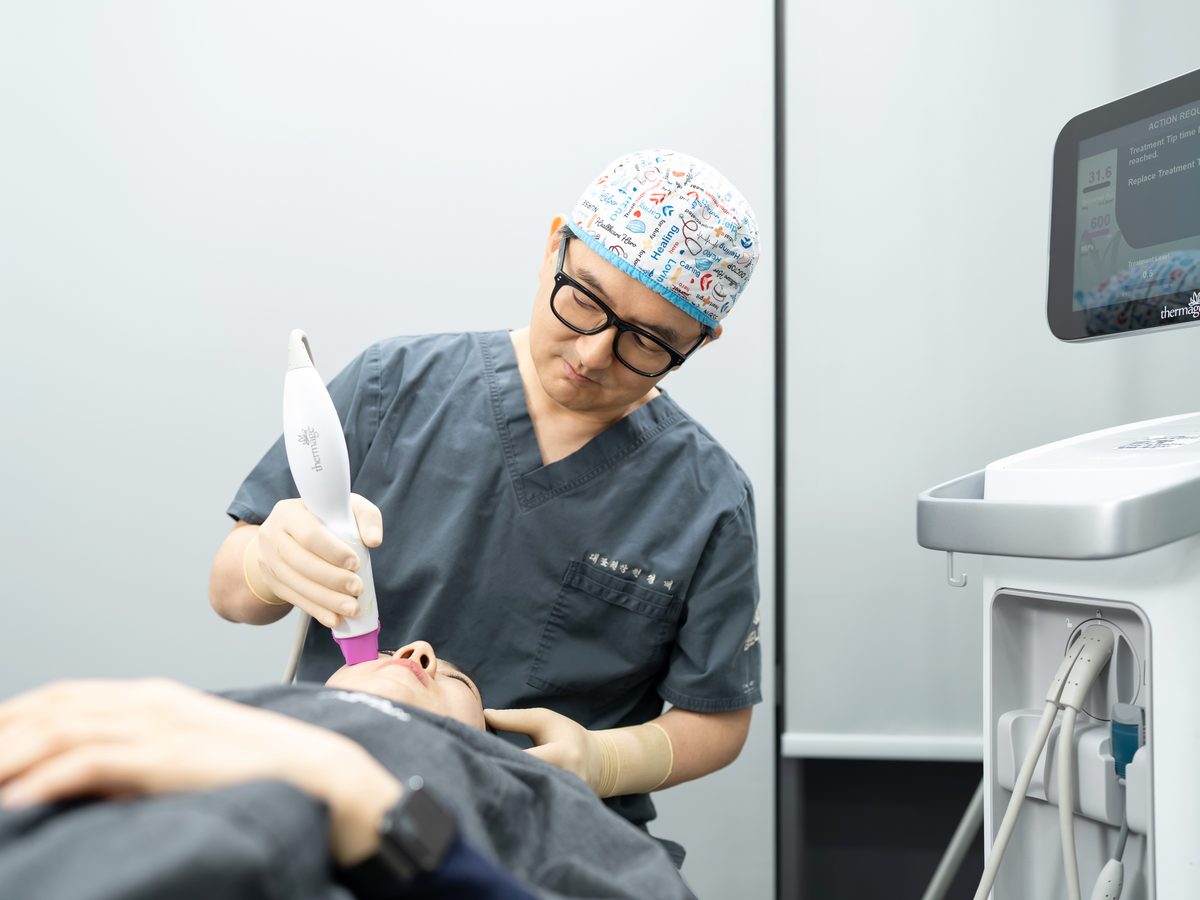
This page is general information from Symphony Skin Clinic, not a diagnosis. Results, risks and recovery differ by person. Treatment is decided after an in-person consultation with a licensed doctor. Clinic and treatment photos on this page were taken at Symphony Skin Clinic.
Keep reading
- Lifting / FirmnessThermage FLX in Korea: what decides the price, how many shots you need, and how to plan the tripWhat sets the price of Thermage FLX in Korea: shot count, eye tip, genuine tips and sedation. Doctor-reviewed guide from a Seoul clinic. Get a quote on WhatsApp8 min read
- Clinic & visitChoosing a Seoul aesthetic clinic from abroad: seven things to check before you bookChoosing a Seoul aesthetic clinic from abroad? Seven checks before you book: who treats you, language support, genuine products, pricing and aftercare at home.7 min read
- Lifting / FirmnessUltherapy price in Korea: what changes the quote, and how to get oneWhat sets the Ultherapy price in Korea: shot count, area and sedation. Symphony's range is 1,500,000-2,800,000 KRW, VAT 10% not included.7 min read