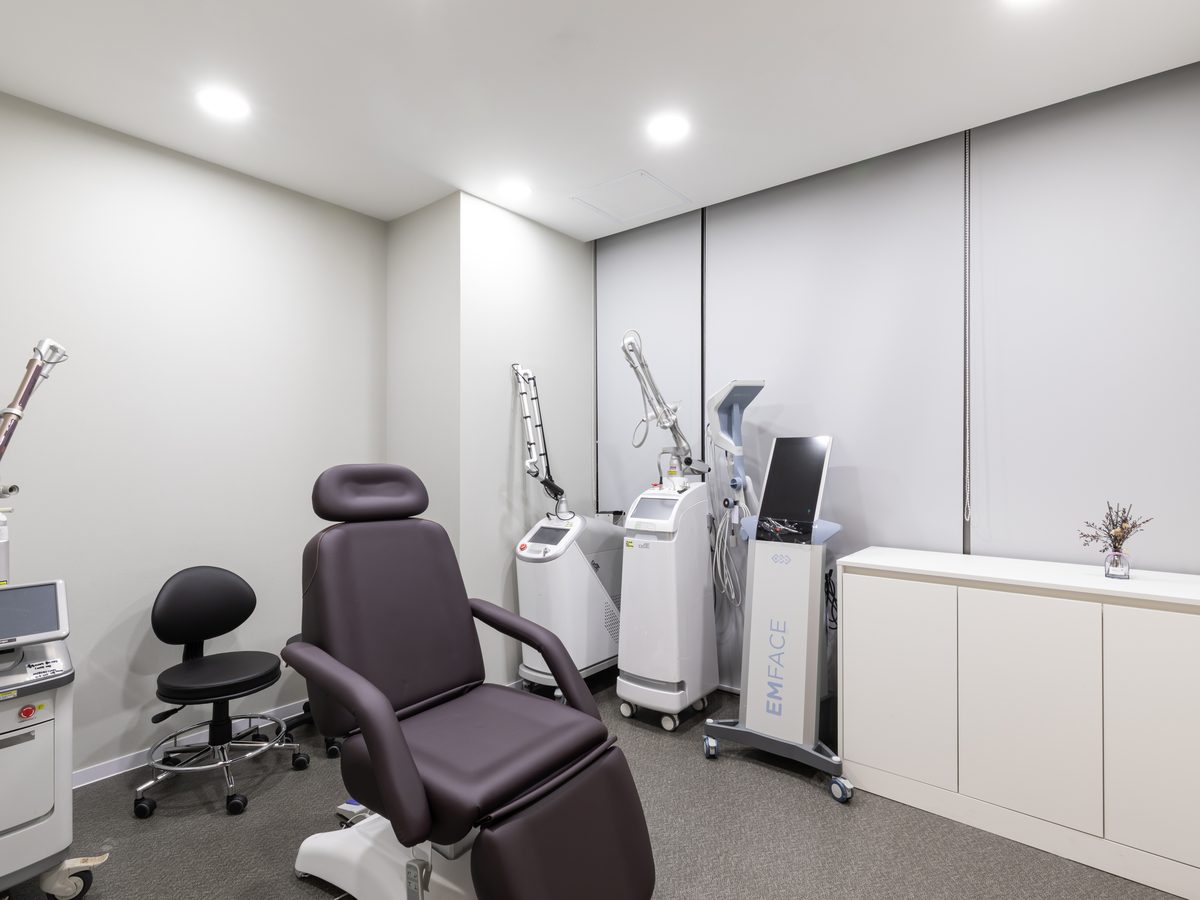
How Long Thread Lift Swelling Lasts on a One-Week Seoul Trip

Written by Dr. Hyun Kyung-bae, Chief Director · Plastic surgeon (Korea)Updated 9 min read
In short Thread lift swelling usually peaks on day two or three and fades over about a week, while bruises can take up to two weeks. On a Seoul trip, place the threads early and leave five to seven days before your flight.

Flying to Seoul for a thread lift and worried about thread lift swelling: how long will your cheeks look puffy, and will it still show when you board the plane home?
Visible swelling usually peaks on day two or three after treatment and fades over about a week; bruises at the entry points can take up to two weeks. For a thread lift on a short trip, that means placing the threads early and leaving five to seven days before your flight home.
Hello, I'm Dr. Hyun Kyung-bae, Chief Director at Symphony Dermatology in Sinsa, Seoul, and a board-certified plastic surgeon in Korea.
Three facts here matter for swelling on a trip. The doctor who plans your threads is the one who places them. You're treated one patient at a time in a private room. And an interpreter for your language stays with you from reception to the treatment room at no extra charge, so you can ask about every lump and pull while you're still in the chair.
Thread lift swelling: how long it lasts, day by day
In short, these are typical timings for barbed (cog) threads placed in the cheeks and along the jawline. A few short threads around the mouth tend to settle sooner; a full jawline with more threads on each side sits at the slower end.
| After treatment | What you'll likely notice | What fits your plans |
|---|---|---|
| Same day | Numbness wears off within a few hours; a pulled, tight feeling at the temples | Hotel, soft dinner, early night |
| Days 1 to 3 | Swelling at its peak, small bruises at the entry points, soreness when chewing, puckers along the thread line | Quiet days and short walks |
| Days 4 to 7 | Puffiness fading for many people; bruises turning yellow and easy to cover | Dinners, sightseeing, photos with concealer |
| Weeks 2 to 4 | Swelling only you notice; tightness on a wide smile or yawn; dimples smoothing out | Normal work, still no face massage |
The swelling other people notice is usually down within a week. The swelling you notice yourself, mostly a stiff, held feeling when you smile wide or yawn, can stay three to four weeks. On day one, part of the lift you see in the mirror is swelling. The shape you keep shows around week three or four, once the fluid under the lifted tissue has drained.
Two Seoul habits slow this down: a late bowl of ramyeon or a salty barbecue dinner with soju, and a face massage at a spa or head-spa salon. Salt and alcohol hold fluid in the face overnight, and pressing on fresh thread lines can shift tissue before it has settled. Save the barbecue for your last night, and the massage until you're home and a month out.
Why does one cheek swell more than the other?
The threads run through the fat layer under the skin, entering through small points usually near the hairline or temple. Small cogs along each thread catch the tissue, and the pull moves it upward. Every pass leaves a narrow track, and swelling is the body sending fluid along that track to start healing.
Fluid collects where tissue is looser and where gravity pulls it overnight. That's why the lower cheek and jawline puff more than the temple, and why the side you slept on can look fuller in the morning. A mild difference between the two sides in the first week is common and tends to even out as the fluid drains.
Which day of your Seoul trip should the threads go in?
Picture seven nights in Seoul. You land, check in and sleep. The next weekday is your consultation. We're open 10:00 to 19:00 on weekdays and 10:00 to 17:00 on Saturdays, and closed on Sundays and Korean public holidays, so a Saturday-night arrival means Monday is your first day with us. Check the dates of Seollal and Chuseok before you buy tickets, because those holidays run several days. Directions and opening hours are also on Symphony Dermatology's English homepage.
The thread lift itself takes about 30 minutes under local anesthesia. Ask when you book whether the consultation and the treatment can fall on the same day. If they can, the threads go in on the second day of your trip and the hard days land in the middle of your stay.
Trip days three to five are the quiet ones: soft food, short walks, an early night with your head on two pillows. Masks are common on the Seoul subway, and one covers the bruises without anyone looking twice. By days six and seven, many people are out for dinner and photos with concealer, and day eight is your flight, six days after treatment.
On a four-night trip the threads still fit, but you'd fly close to the peak. Expect to board with visible swelling and a sore jaw when you yawn, and keep your first day back home free. If you want to be seen once more before the airport, ask at booking whether a check can be scheduled the day before you fly.

If you're still choosing your dates, send a front photo of your face in daylight, without makeup, on WhatsApp with your arrival and departure dates, and ask which day of that trip the threads should go in. Already had a thread lift and past day ten with one side still puffy? Send the same front photo with your treatment date and ask whether that is still within the usual range.
Bruising, dimples and a thread you can feel: what's common and what isn't
Common and temporary: swelling, bruising at the entry points, soreness when chewing or opening the mouth wide, a tight pull at the temples, and small puckers or dimples along the line of pull. These usually fade over one to three weeks. Some people also feel a faint click or catch under the skin when they smile in the first days.
Less common: a dimple that hasn't softened by week three, a thread end you can feel or see at the skin, a visible ridge where the skin is thin, or asymmetry that gets worse after day five instead of better. Infection is uncommon but matters: warmth, spreading redness, pus, fever, or pain that rises after day three instead of easing. Lasting tingling or numbness from nerve irritation is rare.
Wait, or skip threads, if any of these apply:
- an active skin infection, cold sore or acne flare in the treatment area
- pregnancy or breastfeeding
- blood-thinning medication or a bleeding disorder (talk to the doctor who prescribes it, and never stop it on your own)
- a tendency to keloids or raised scars
- heavy sagging that threads won't move far; if a treatment won't change what you came in for, I'll say so
How long your own swelling lasts depends on how many threads go in, how heavy the tissue is and how you treat your face that first week. That's also why a photo gives a direction, not a final plan: how much lift your tissue can take is judged in person.
What should you do for your face once you're home?
- Sleep on your back with your head raised for the first week.
- Avoid opening wide for about two to three weeks: big burgers, loud singing, routine dental work. If a dental visit can't wait, tell the dentist you have threads.
- No face massage, facials, gua sha or electric facial tools for about a month.
- Skip the sauna, hot yoga and hard workouts for the first week.
On treatment day, write down three things: the date, how many threads went in on each side, and the thread type if you're told it. A doctor at home can't see threads under the skin, and those three facts save a lot of guessing.
If anything hot, spreading, draining or poking through the skin appears after you're home, see a local doctor in person that day and take those notes with you. Then send a photo to the clinic that placed the threads, so both doctors are working from the same picture.
What if a week of swelling doesn't fit your trip?
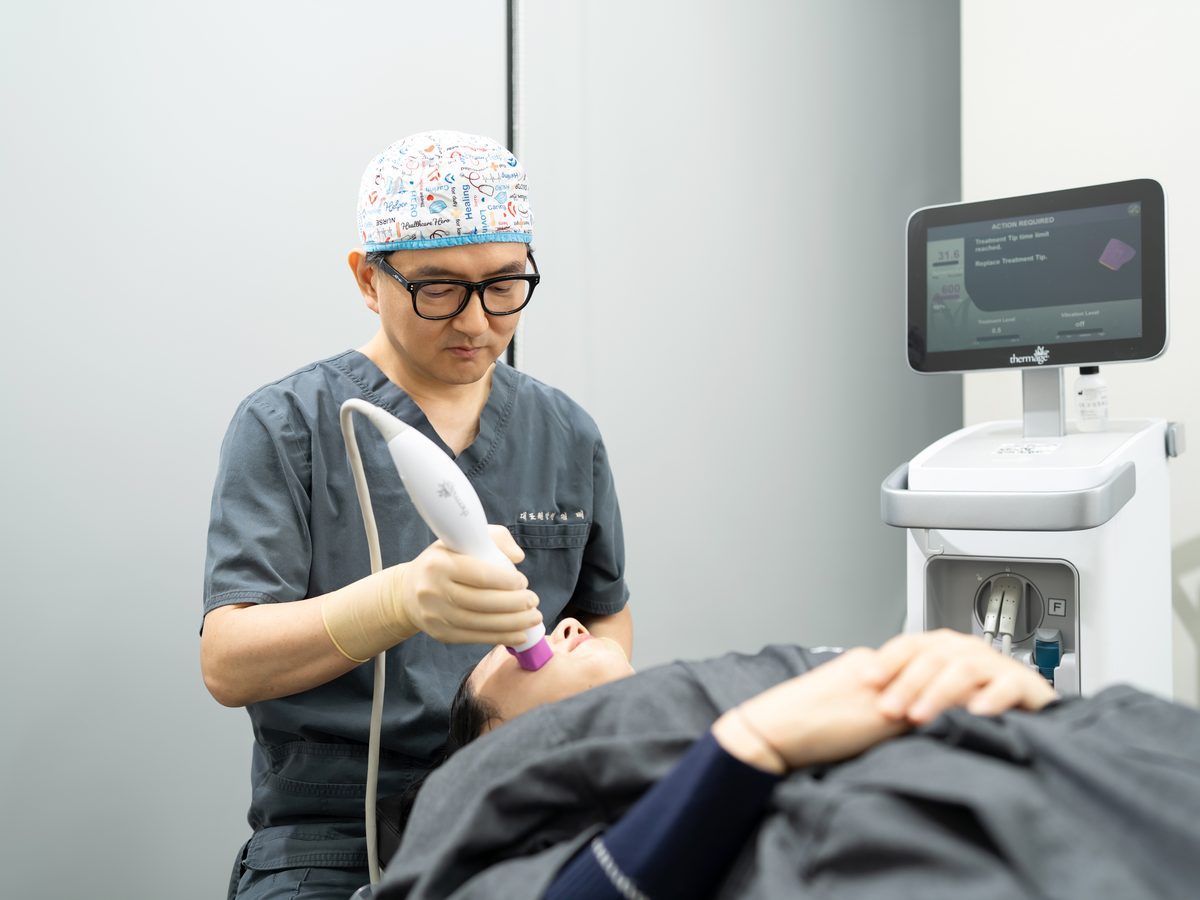
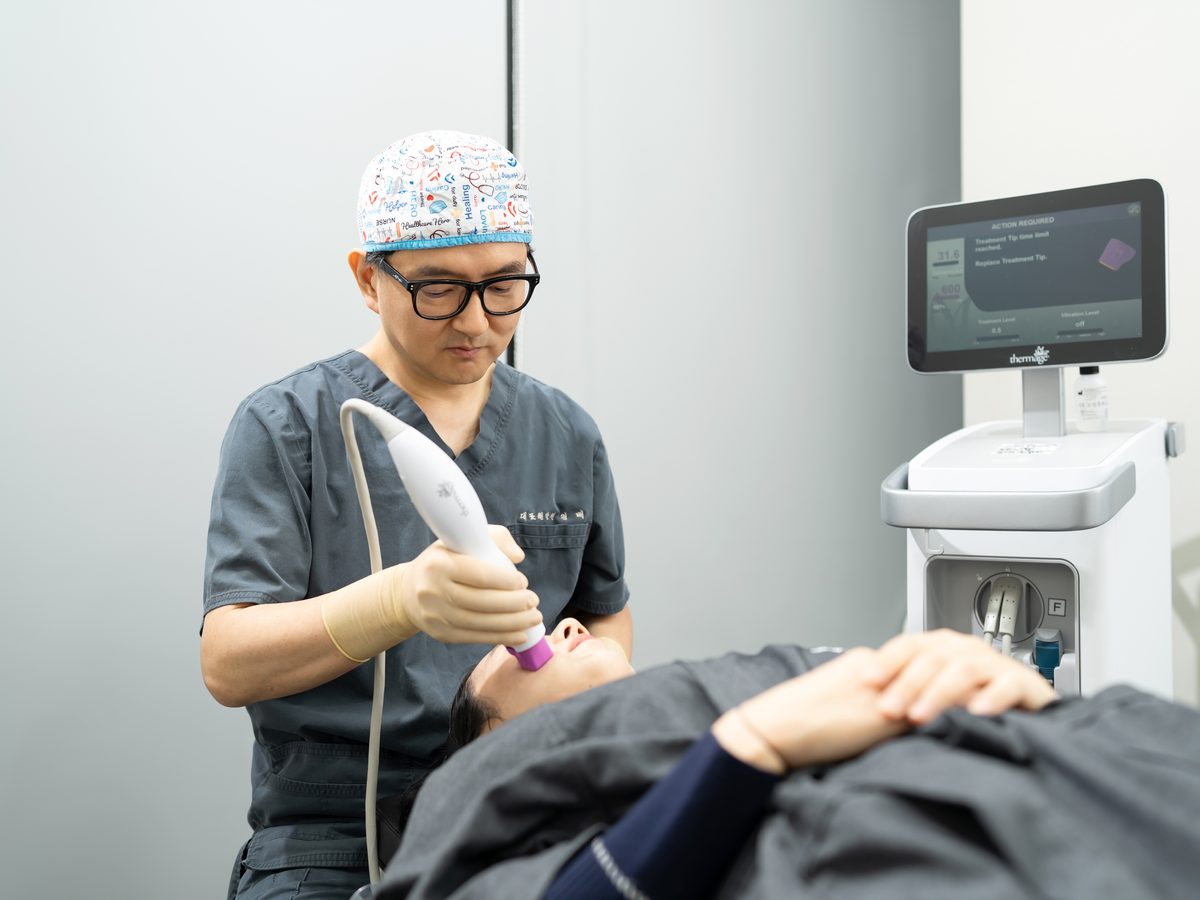
Three nights in Seoul, a wedding the week you land home, a job where a bruise means questions: then threads may be the wrong tool for this trip. Device-based lifting usually lets you go about your day straight after. You can read how Thermage FLX works and its side effects, what Ultherapy does in the deeper layer, the questions worth asking before booking Ultherapy and how to choose a Sofwave clinic. These tighten tissue in place, so with heavier sagging they move it less than threads do.
If what bothers you is thin, crepey skin more than position, a skin booster may answer it better. Rejuran and Juvelook answer different complaints. There's also what Juvelook changes and when it shows, how to choose between Juvelook and Juvelook Volume, and who exosome treatment suits.
Questions to ask any clinic before the threads go in
Put these to every clinic you're comparing. Under each is how it works here.
- Is the doctor who plans the lift the one who places the threads? Here, yes. The doctor who consults you carries out the treatment; it isn't handed to someone else afterwards.
- Will someone who speaks your language be in the room while you're numb? An interpreter stays with you from reception through to the treatment room.
- Will you be treated alone? One patient at a time, in a private treatment room.
- Will you hear the full plan and the total before anything starts? Yes, before the first session.
- Will they tell you if threads aren't the right tool? Yes. If a treatment won't change what you came in for, we say so.
I've practiced at Symphony for seventeen years, and with threads the day they go in matters to me as much as how many go in. A lift placed on the second day of your trip lets you heal in Seoul and fly home looking like yourself. One placed the day before your flight means doing the worst of the healing in an airplane seat.
We're at 2F, 165 Dosan-daero, Gangnam-gu, Seoul (Sinsa Hill Building), about a 10-minute walk from Sinsa Station Exit 8 on Line 3.
Send that daylight front photo on WhatsApp with your arrival and departure dates, and ask which day the threads should go in for your trip. One photo is enough for a first message, and you can ask before booking anything.
Dr. Hyun Kyung-bae, Chief Director
Questions patients ask us
Can I fly the day after a thread lift?
There's no general rule against flying soon after a thread lift. The downside is comfort and appearance: you'd travel at peak swelling, with a sore jaw when you yawn and bruises at the entry points. Keep your head upright rather than slumped over a screen, and drink water instead of alcohol on the flight.
Does ice help the swelling, and for how long?
Cold packs wrapped in a cloth, about 10 to 15 minutes at a time, help most in the first 48 hours. Rest them lightly on the cheeks; don't press hard along the thread lines. After two days, cold does little, and keeping your head raised at night matters more.
Why is the swelling worse in the morning?
Fluid pools in the face while you lie flat, and it gathers on the side you slept on. Morning puffiness that eases by midday is typical in the first week. Swelling that is worse every day after day three, or comes with heat, is a reason to see a doctor.
Does the lift look bigger at first and then drop?
Partly, yes. On the first days, swelling adds fullness under the lifted tissue, and the pull often looks stronger than it will be. As the fluid drains over two to four weeks, the face settles into the shape you keep.
Do salty food and alcohol really make it last longer?
Both make the body hold more water, and in the first days after treatment that extra fluid tends to collect in the face. Skipping alcohol for the first few days and keeping late, salty meals to a minimum during that week is a simple way to look less puffy by the time you fly.
Sources
- Thread lift
- Thread Lift Risks and Safety Information
- Invited Discussion on: A Meta-Analysis and Systematic Review of the Incidences of Complications Following Facial Threadlifting (Aesthetic Plastic Surgery, 2021)
- Medical Tourism
Treatment details: Symphony Skin Clinic treatment information, checked Nov 24, 2026.
This page is general information from Symphony Skin Clinic, not a diagnosis. Results, risks and recovery differ by person. Treatment is decided after an in-person consultation with a licensed doctor. Clinic and treatment photos on this page were taken at Symphony Skin Clinic.
Keep reading
- Lifting / FirmnessThermage in Korea: how FLX works, honest side effects, and choosing a Seoul clinicHow Thermage FLX works, who it suits, what side effects to expect and what to ask a Thermage Seoul clinic. Doctor-reviewed guide with a WhatsApp quote.8 min read
- Lifting / FirmnessUltherapy in Korea: what it actually does, how we plan it, and who it fitsWhat Ultherapy treats, how Symphony checks depth with live imaging first, and who it suits. Doctor-reviewed guide. Get a quote on WhatsApp.8 min read
- Lifting / FirmnessChoosing an Ultherapy clinic in Korea: the questions worth asking before you bookWhat actually separates a careful Ultherapy clinic in Korea from a weaker one: who performs it, imaging, and genuine-cartridge checks. Get a quote on WhatsApp.7 min read