Surgical Scar Treatment in Korea: C-Section, Appendix and Other Incision Lines, and Which Ones Should Wait

Written by Dr. Hyun Kyung-bae, Chief Director · Plastic surgeon (Korea) · Reviewed by Dr. Lee Jae-hyun, Director · Japanese medical licenseUpdated 7 min read
In short Surgical scar treatment in Korea can soften the color and uneven surface of a healed incision, such as a C-section or appendix scar, but it can't erase it. A scar that is still red and changing, or one that is raised and growing, needs a different plan or more time.
Can a scar from a C-section, an appendix operation or another surgery be treated on a trip to Seoul? Often it can be made less noticeable, yes. A healed incision line that has stayed dented, uneven or a different color from the skin around it is the kind of scar our Scar & Stretch Mark Program is built for. What no treatment does is make the line disappear.
Two kinds of surgical scar change the answer. A scar that is still red and changing may need time more than treatment. A scar that is raised, hard and spreading beyond the original cut may be a keloid, and that is handled differently.
I'm Dr. Hyun Kyung-bae, Chief Director at Symphony in Sinsa, Seoul, and a plastic surgeon in Korea. Incision scars are familiar territory in plastic surgery, and the first thing I'd want to know about yours is its age and whether it has ever been raised or itchy.
Which surgical scars can be improved?
The program targets two things that usually come together in an old scar: the color of the skin and the level of its surface. A line that sits lower than the skin around it, looks shiny or patchy, or has an uneven edge is a reasonable candidate. The causes we see are ordinary ones: appendix and cesarean incisions, other surgical sites that healed unevenly, deep acne, burns and accidents.
Body areas are treated as well as the face. Stretch marks on the abdomen often sit near a C-section scar, and stretch mark treatment, where the phase decides the plan covers that side.
Raised scars are a separate case. The American Academy of Dermatology notes that silicone can reduce the size, hardness, redness and itch of a raised scar, and that a dermatologist can inject a corticosteroid into a raised scar or keloid to shrink it. If yours has those features, I'd want it examined in person before suggesting anything, and a dermatologist may be the right first stop.
How old should a scar be before it's treated?
There isn't one number, and the NHS gives the reason: most scars fade over time, which can take up to 2 years or more. A scar that is still pink, firm or changing shape is still maturing. Some of what bothers you now may settle without help.
The AAD recommends having a scar examined before treatment to judge what type it is, whether it is likely to fade on its own, and when treatment would give the best result. That is exactly what the first consultation does. A recent scar isn't automatically off the table; the timing is decided by looking at it.
How does the treatment work on an incision scar?
The core of our scar program is Mirajet combined with Juvelook. Mirajet converts laser energy into pressure and delivers a solution as a micro-jet, so a measured dose reaches the dermis without a needle and without heat. Juvelook, a collagen booster made of PLA and hyaluronic acid, is the solution it carries.
| Item | Value |
|---|---|
| Dose per shot | About 0.3 µl |
| Repetition | Up to 2,400 shots per minute |
| Target depth | Dermal layer |
| Needle | None |
| Heat | None |
Mirajet delivery, as listed on the scar program
Why that pairing for scars? Heat-based resurfacing has to balance improvement against burn risk, and color and depth are usually treated in separate rounds. A needle-free, non-thermal method lets both be worked on in the same session and repeated without a long recovery gap.
Before any device is chosen, a skin analysis system reads the area and the doctor goes through the findings with you. Which solution goes in, at what depth, is set for your scar rather than taken from a fixed package. For acne scars the same approach applies; what a doctor reads in acne scars before choosing anything explains the shapes.
If you'd like a first opinion before booking, send a daylight photo of the scar on WhatsApp, with the year of the surgery and whether the scar has ever been raised, itchy or painful.
What can go wrong, and who should wait?
After a session, redness and mild swelling in the treated area are expected, and recovery after Mirajet is short. Treated skin can darken for a while in some people, especially skin that tans easily. Responses vary from person to person, which is why the plan is set only after an in-person exam.
It's usually wiser to wait, or to tell the doctor first, if:
- You're pregnant or breastfeeding. This matters for C-section scars in particular. Elective treatments are commonly postponed in this period, so bring it up early.
- The wound isn't fully closed, or there's redness, warmth or discharge that could be infection.
- You or a family member form keloids, or the scar has grown beyond the original cut.
- You've taken isotretinoin recently. Bring the dates.
- You have an allergy to any component of the solution being considered.
Expectations matter as much as risk. The NHS is plain about it: you can't get rid of a scar. Why Korean scar removal rarely erases a scar goes further into what a realistic aim looks like.
How many sessions, and can it fit a trip?
Scar work usually needs more than one round. The doctor proposes a number at consultation and reviews it as the rounds go on, rather than fixing it in advance. A scar session takes about 30 to 60 minutes under topical numbing cream, with short downtime.
Tell us your dates at the start. The plan covers what can reasonably be done within your stay and what should be spaced out, rather than squeezing rounds together that need time between them. When marks are also part of the picture, what fades and who should wait with stretch marks helps with the timing.
Say you're 35, flying in from Singapore, with a C-section scar from two years ago that has stayed dented with a pale edge, and four nights in Seoul. The first day is the exam and, if the scar is ready, a first round. You go home with a written recovery guide in your language, check-ins on day 1, 3 and 7 on WhatsApp, and guidance at day 30 on when the next round would be due. If something looks off, your photo goes to the physician, and the follow-up comes from the doctor who treated you.
We're open weekdays 10:00 to 19:00 and Saturdays 10:00 to 17:00, closed on Sundays and Korean public holidays; location and hours has the walk from Sinsa Station Exit 8. An interpreter is with you from reception to the treatment room, and our doctors are listed with their training.
Send one daylight photo of the scar from a short distance, plus the month and year of the surgery. At the exam, the first thing I'll check is whether the scar is flat, sunken or raised, and whether it has finished maturing, because that decides whether today is the day to treat it.
Questions patients ask us
Does scar treatment hurt?
Mirajet delivery is needle-free, which removes the sharpest part of the sensation. Topical numbing cream is used, and other comfort options can be discussed.
Can the scar be treated on the body, not just the face?
Yes. Surgical scars are treated where they are, and stretch marks are often treated on the abdomen and thighs.
Should I bring my surgery records?
It helps. The date of the operation, the type of surgery, and any notes about healing problems or keloids give the doctor useful context at the exam.
Can a scar from years ago still improve?
Older scars have usually finished maturing, so what you see is stable. Improvement is still possible in color and surface, though the realistic aim depends on the scar and is set at consultation.
Will I need time off after a session?
Downtime is short. Redness and mild swelling in the treated area are common at first, and the doctor tells you before you leave what to avoid on the following days.
Sources
Treatment details: Symphony Skin Clinic treatment information, checked Nov 12, 2026.
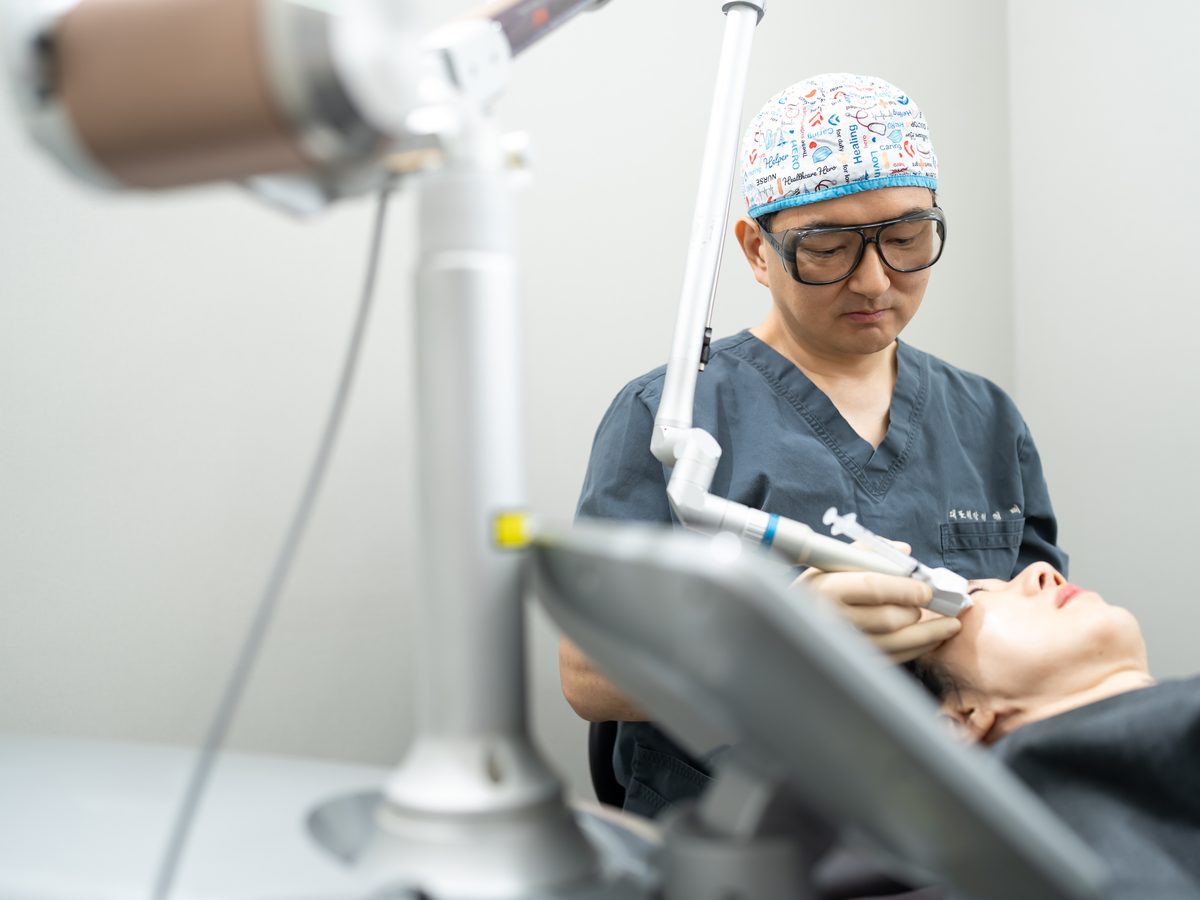
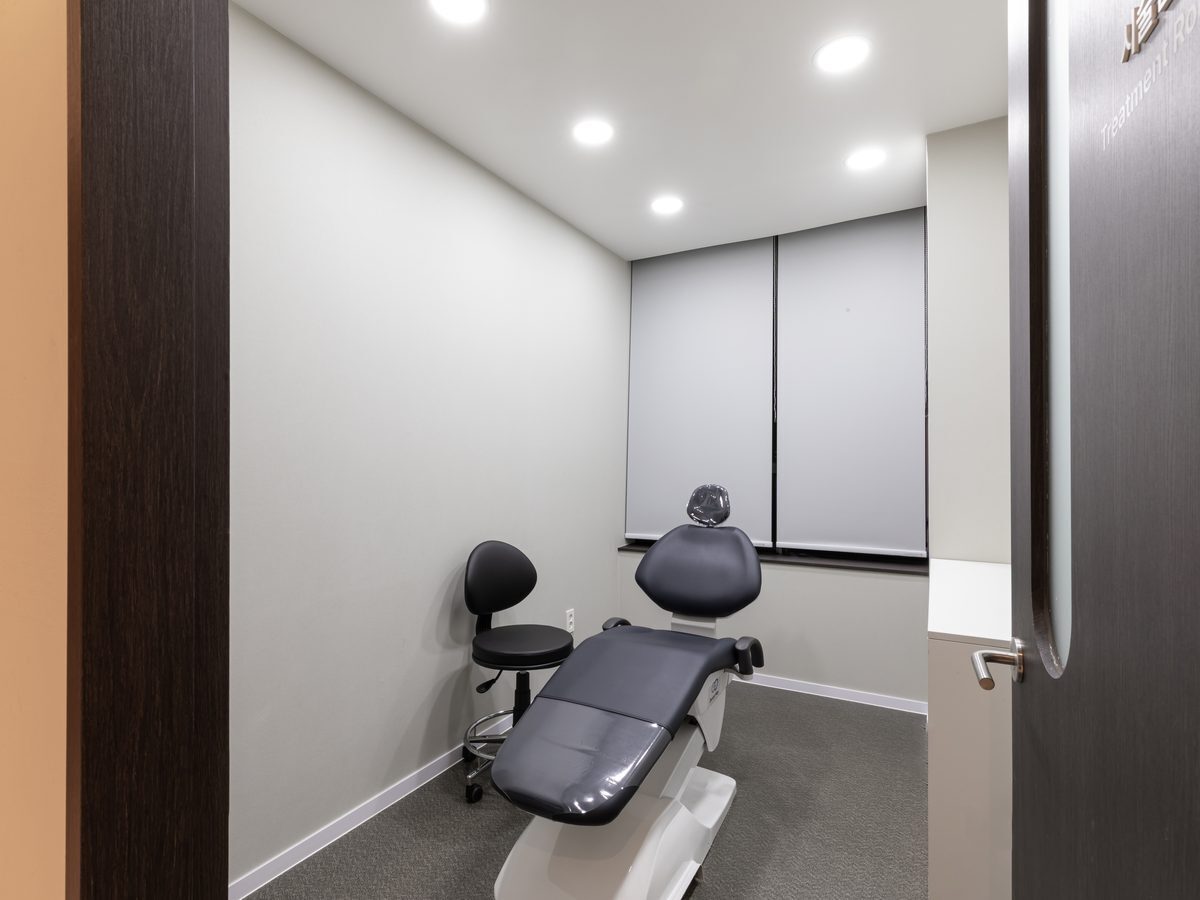
This page is general information from Symphony Skin Clinic, not a diagnosis. Results, risks and recovery differ by person. Treatment is decided after an in-person consultation with a licensed doctor. Clinic and treatment photos on this page were taken at Symphony Skin Clinic.
Keep reading
- Scar / Stretch MarkAcne scar treatment in Korea: what a doctor reads before choosing anythingHow acne scar treatment in Korea is planned: the four scar shapes a doctor reads first, and why Symphony pairs needle-free Mirajet delivery with Juvelook.8 min read
- Scar / Stretch MarkKorean scar removal rarely erases a scar, and some scars should waitKorean scar removal can make a scar flatter and less visible, rarely gone. A Seoul doctor on dark-patch risk, when to wait, and care once home.6 min read
- Scar / Stretch MarkStretch mark treatment in Korea: the phase decides the planStretch mark treatment in Korea starts by separating the red phase from the white: they are different events in the skin. Symphony: 300,000-500,000 KRW.8 min read