Korean stretch mark removal: what fades and who should wait

Written by Dr. Hyun Kyung-bae, Chief Director · Plastic surgeon (Korea) · Reviewed by Dr. Lee Jae-hyun, Director · Japanese medical licenseUpdated 6 min read
In short Korean stretch mark removal fades and flattens marks; it rarely erases them. Red marks usually respond more readily than old white ones, and some people are better off waiting before they book.

Korean stretch mark removal, taken literally, isn't something I can promise you: no treatment in Seoul or anywhere else reliably makes a stretch mark vanish. What our Scar & Stretch Mark Program works toward is a mark that sits flatter, shows less contrast against the skin around it and catches the light less. If you've read threads claiming marks were "gone" after one session, and you're wondering whether your old silvery-white lines are worth a long flight at all, that doubt is reasonable, and it's where I'd start too.
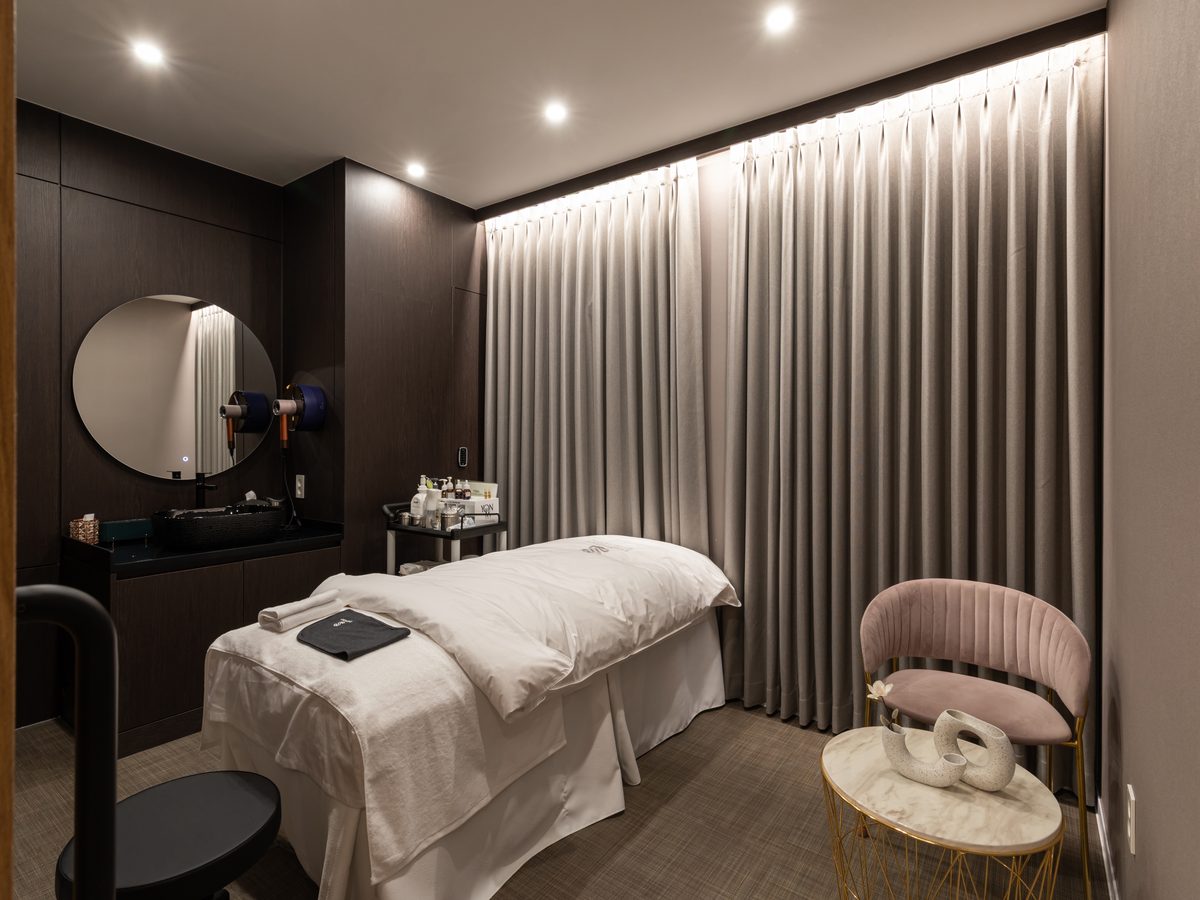
At Symphony, the doctor who talks through your plan is the doctor who carries it out, and an interpreter stays with you from reception to the treatment room. Appointments are one patient at a time in a private room, which matters when the marks are on your stomach, hips or thighs.
Can stretch marks be removed, or only faded?
Faded and flattened are the accurate words. A stretch mark is a scar in the dermis. When skin stretches faster than it can adapt, after rapid weight gain, pregnancy, a diet that leaves skin loose, or long steroid use, the collagen underneath breaks and the epidermis above it thins.
Treatment can prompt new collagen and improve texture and color. It does not rebuild the original fiber pattern, which is why improvement, rather than erasure, is the realistic goal. Acne scars are a separate problem, read by shape instead of color; what a doctor reads before treating acne scars covers that.
Red marks and white marks are two different conversations
Early stretch marks are red or purple because blood vessels have increased in the damaged skin. As they age, the skin thins and scars over, and the marks turn white. In general, red marks respond more readily to treatment. White ones have settled for years, and improvement is usually slower and more modest. Why the phase of a mark decides the plan goes into this further.
What does Mirajet with Juvelook do for stretch marks?
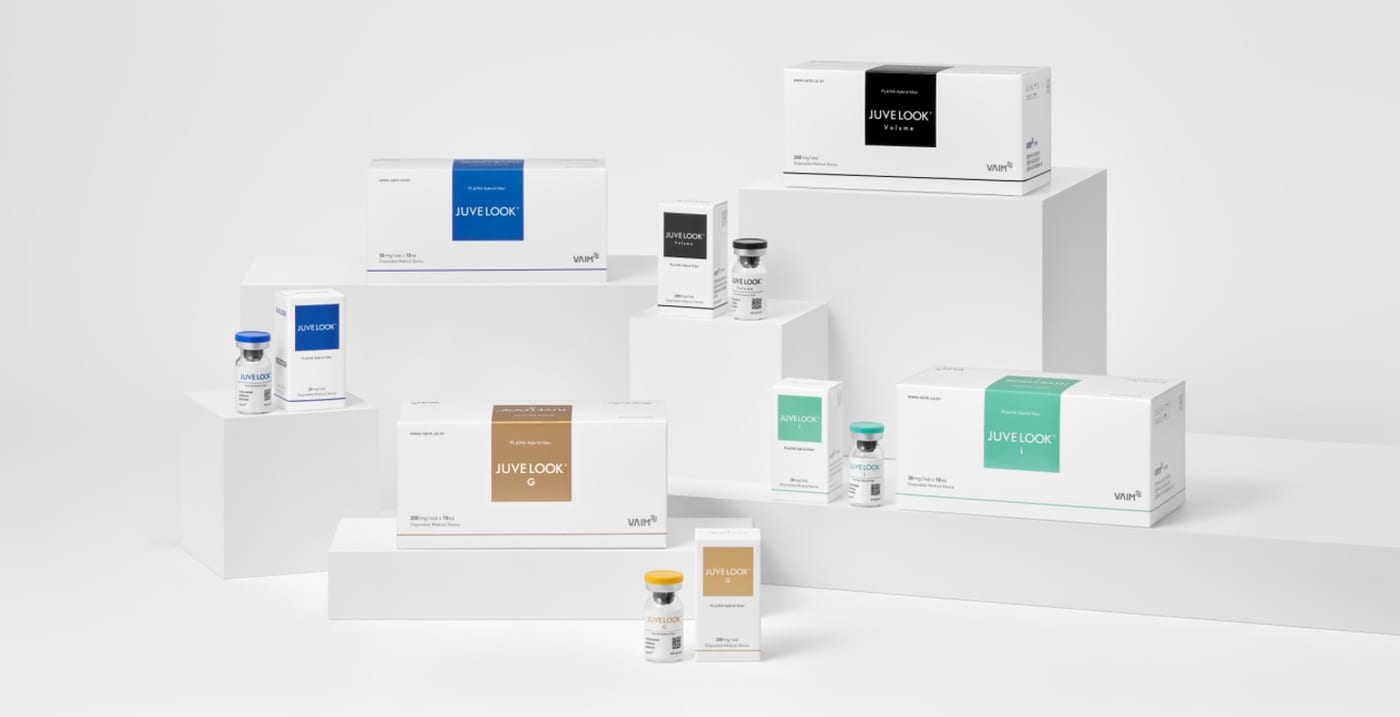
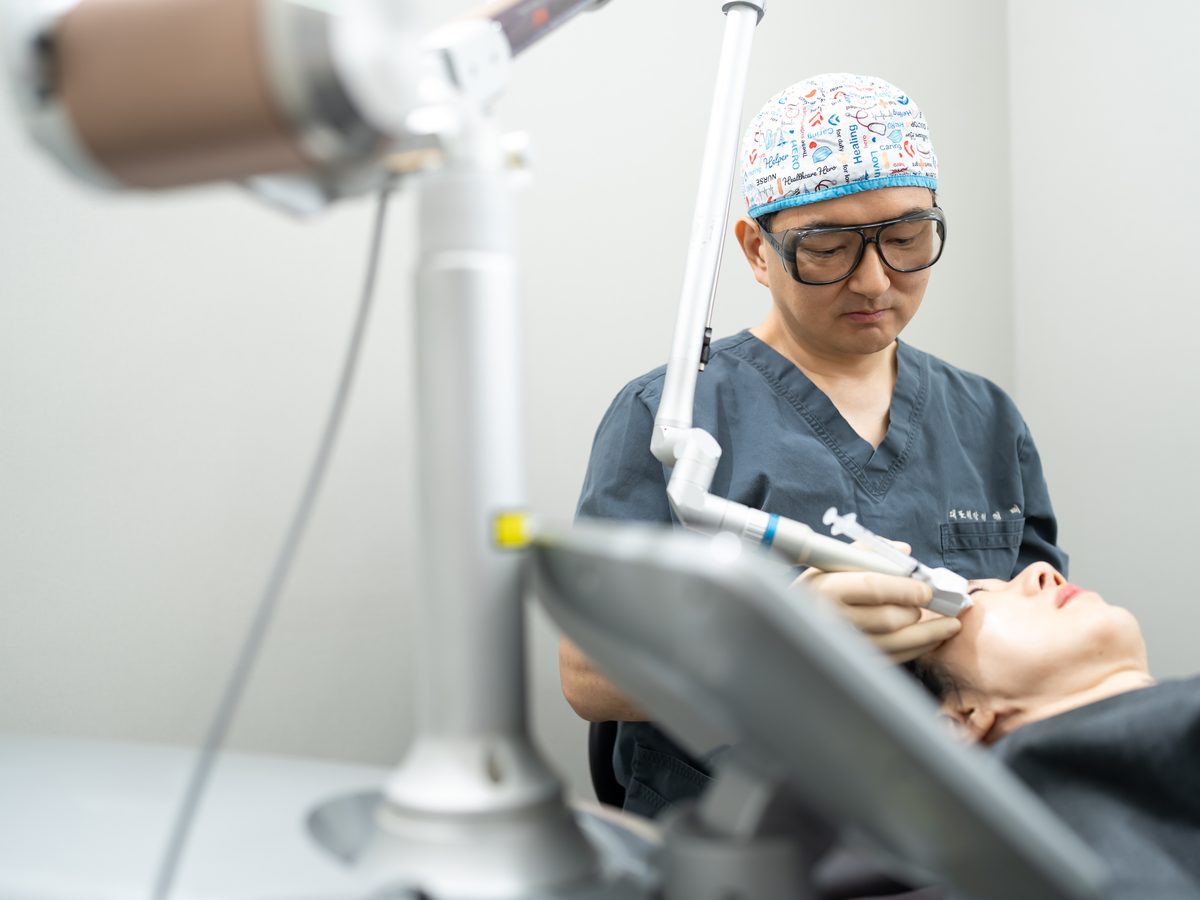
For stretch marks and scars, our program pairs Mirajet, a device that delivers a solution into the skin without needles, with Juvelook, a collagen-stimulating injectable explained in how Juvelook works and which type fits. The aim is to work on a mark's color and its depression in the same treatment. Mirajet generates no heat, so the burn risk that comes with heat-based devices is low. The program lists 30-40 minutes per session, numbing cream with sedation if needed, and going back to your day the same day.
What it won't do is turn a white mark back into unmarked skin, or stop new marks forming while your weight is still changing.
If you can't tell whether your marks are still red or already white, a daylight photo of the area with the light falling from the side, plus roughly when the marks appeared, is the thing to send first.
Who should wait before treating stretch marks?
Some people are better served by waiting than by booking, and I'd rather say so here than after you've flown in. These are general medical reasons to postpone, or at least to raise before anything is planned:
- Pregnant or breastfeeding: marks may still be forming, and most cosmetic injectables haven't been studied in pregnancy.
- Weight still moving: an active diet or gain can add new marks next to treated ones.
- Infection, eczema, a rash or broken skin on the area.
- Isotretinoin taken in the past several months, or a recent laser or peel on the same skin.
- A tendency to keloids or raised scars.
- Marks caused by steroid use that is still ongoing: the cause comes first, so talk to the doctor who prescribed it.
- A fresh tan or sunburn on the area, or a known allergy to an ingredient in the injectable.
The in-person exam decides whether treatment makes sense for you; a photo can't settle that.
Risks and side effects to know
Common reactions after injectable stretch mark treatment are redness, mild swelling, tenderness and small bruises or bumps where product went in. For many people these settle within a few days. Occasionally a firm bump lasts longer, and that is worth having looked at rather than massaging it yourself.
The risk I'd weigh most if your skin tans easily is post-inflammatory hyperpigmentation: darker patches that appear after skin has been inflamed. DermNet describes it as more common in darker skin types, slow to fade, and made worse by sun. That is why a beach week straight after treatment is a poor plan.
Infection is uncommon, but know the signs: spreading redness, heat, swelling that grows after the first two days, pus or fever.
If something appears after you fly home, aftercare questions stay in the same WhatsApp chat you booked through, since that is how English-speaking patients reach us from booking to aftercare. For signs of infection, see a doctor at home in person the same day instead of waiting on a message. The US CDC's medical tourism guidance suggests carrying copies of your treatment records home and arranging follow-up care before you travel, so ask what was used, and where, before you leave Seoul. Results and recovery vary from person to person.
Does stretch mark treatment fit into one trip to Seoul?
The session itself is short. The course is what takes time: stretch marks are generally treated over several sessions spaced weeks apart, because new collagen builds slowly. For most visitors, one trip means one session and then a decision about whether to come back. Before the first session starts, you'll hear the whole plan and the total, so that decision is made with the full picture.
Plan Korean stretch mark removal for a trip that doesn't end in a beach holiday. Keep the treated skin out of strong sun afterward, and don't arrive with a tan on the area you want treated.
We're on the 2nd floor of the Sinsa Hill Building, 165 Dosan-daero in Gangnam, about a 10-minute walk from Exit 8 of Sinsa Station on Line 3. Hours are 10:00-19:00 on weekdays and 10:00-17:00 on Saturdays. We're closed on Sundays and Korean public holidays, including the days around Lunar New Year and Chuseok, so check those dates before you book flights. Symphony Dermatology's English site has the map.
Planning face treatments on the same trip
Stretch marks usually sit on the stomach, hips, thighs or breasts. Lifting devices such as Thermage FLX and Ultherapy PRIME work on the face and neck, at different depths and with their own recovery, so treat them as a separate decision. If you're weighing them, start with how Thermage FLX works and its side effects, what changes after Thermage and when, a realistic Ultherapy timeline and questions to ask before booking Ultherapy. Frown lines and forehead lines need a different tool again, covered in how botulinum toxin is planned by area.
My advice is to mention everything you're considering at the start. A plan built around the days you actually have works better than squeezing extra treatments into your last afternoon.
Before you book flights, send a daylight photo of the marks on WhatsApp, with when they appeared and whether you're pregnant, breastfeeding or on any regular medication, and ask the one thing you most want answered, such as whether marks as old as yours are worth the trip.
Questions patients ask us
Does stretch mark treatment hurt?
Numbing cream goes on first, and sedation is available if you need it. Mirajet delivers without needles and without heat, and the program is described as less painful than heat-based approaches. How much you feel still depends on the area and your own sensitivity.
Will an interpreter be with me during the treatment?
Yes. An interpreter is with you from reception to the treatment room, in English, Japanese or Chinese, so you can ask questions while the treatment is happening.
Can treated stretch marks come back?
A treated mark doesn't usually return to how it looked before. New marks can still form nearby if you gain or lose weight quickly or become pregnant later, which is why timing treatment after your weight settles makes sense.
Would a prescription cream at home do the same thing?
Topical retinoids such as tretinoin have some evidence for early, red stretch marks, though the change is usually slower and smaller, and they shouldn't be used in pregnancy. For older white marks, creams alone tend to do little. Ask your doctor at home before starting one.
Are acne scars treated the same way as stretch marks?
The tools overlap: for acne scars, Mirajet is also paired with Juvelook. What differs is how the scar is read first. Acne scars are sorted by shape (boxcar, rolling, mixed or ice pick), while stretch marks are read by color and age.
Sources
- Advancements in treating stretch marks across all skin types: a comprehensive review of therapeutic modalities
- Stretch Marks: Systematic Review of its Therapeutic Approach
- Postinflammatory hyperpigmentation
- Medical Tourism
Treatment details: Symphony Skin Clinic treatment information, checked Oct 23, 2026.
This page is general information from Symphony Skin Clinic, not a diagnosis. Results, risks and recovery differ by person. Treatment is decided after an in-person consultation with a licensed doctor. Clinic and treatment photos on this page were taken at Symphony Skin Clinic.
Keep reading
- Scar / Stretch MarkAcne scar treatment in Korea: what a doctor reads before choosing anythingHow acne scar treatment in Korea is planned: the four scar shapes a doctor reads first, and why Symphony pairs needle-free Mirajet delivery with Juvelook.8 min read
- Scar / Stretch MarkStretch mark treatment in Korea: the phase decides the planStretch mark treatment in Korea starts by separating the red phase from the white: they are different events in the skin. Symphony: 300,000-500,000 KRW.8 min read
- Collagen / VolumeJuvelook in Korea: how it works, which type you need, and how many sessions to planJuvelook in Korea explained by a Seoul skin clinic: PDLLA with HA, the four types, how many sessions and when results appear. Ask questions on WhatsApp.8 min read