Korean scar removal rarely erases a scar, and some scars should wait
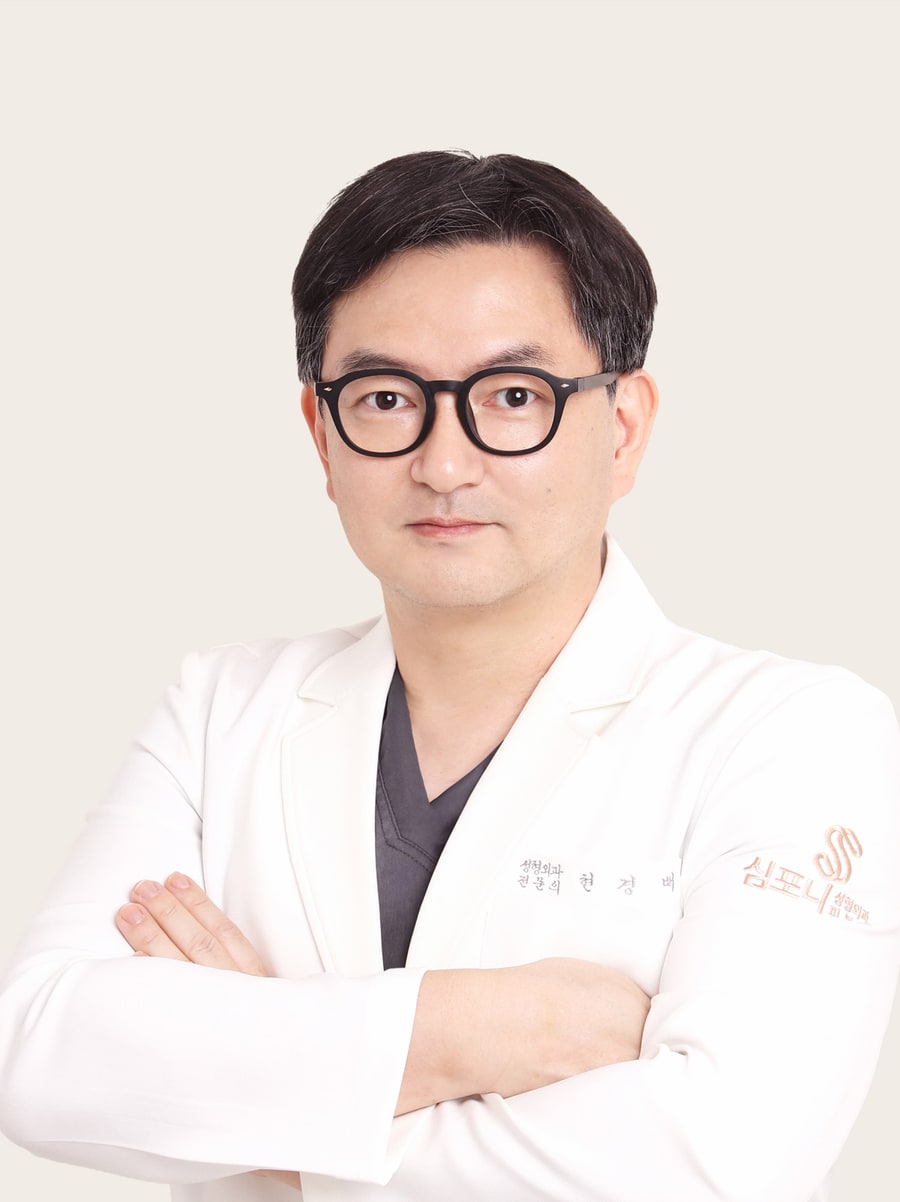
Written by Dr. Hyun Kyung-bae, Chief Director · Plastic surgeon (Korea) · Reviewed by Dr. Lee Jae-hyun, Director · Japanese medical licenseUpdated 6 min read
In short Korean scar removal usually makes a scar shallower, flatter or closer to your skin tone, and rarely makes it vanish. Which scars respond, which should wait, and what to do if skin darkens after you fly home.

Korean scar removal can usually make a scar shallower, flatter or closer to your skin tone, but it rarely makes one vanish, and some scars are better left alone for a while. If you're fitting treatment into a visit to Seoul, the worry underneath is often this one: what if my skin comes out darker or redder than before, and I'm already back home?
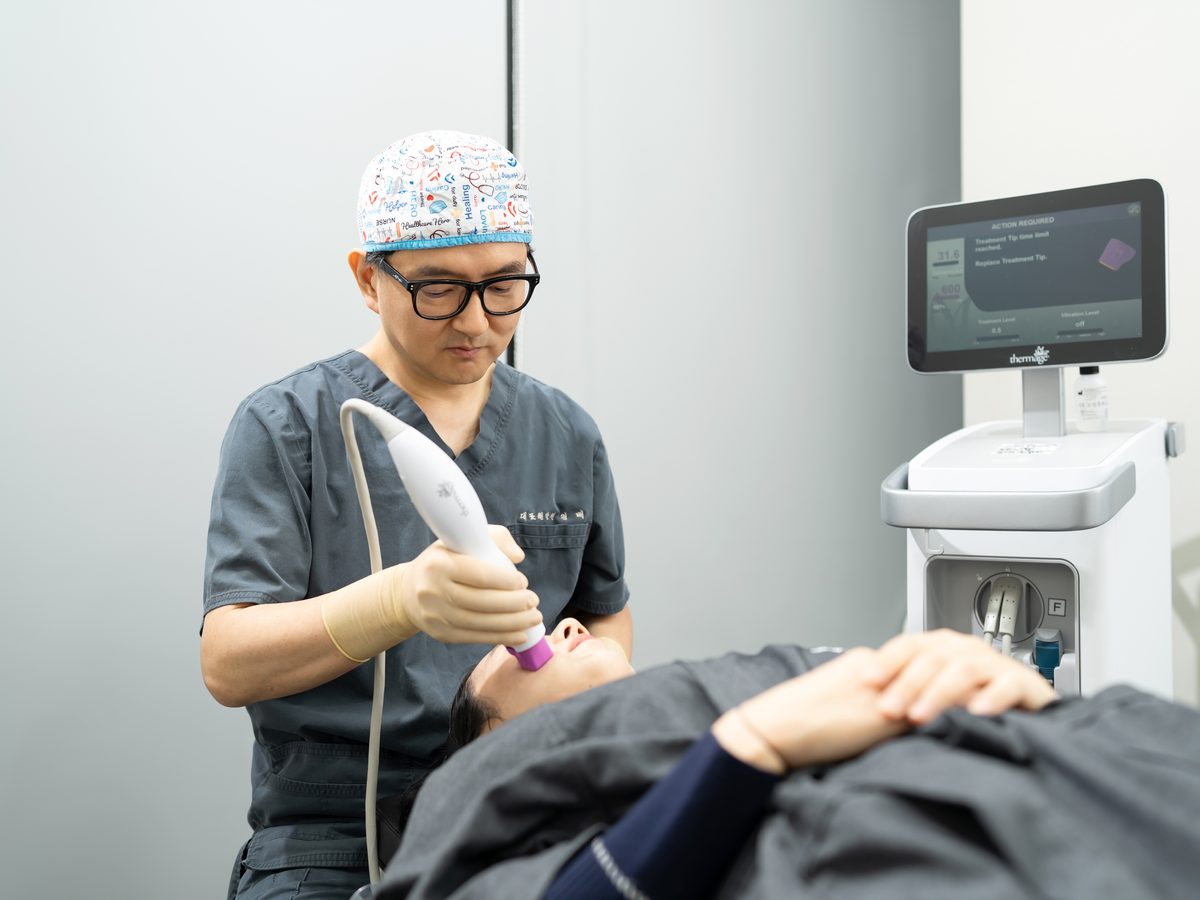
At Symphony, the Scar & Stretch Mark Program starts by reading which shape of scar you have, and the doctor who talks you through the plan is the one who carries it out. An interpreter stays with you from reception to the treatment room, in English, Japanese or Chinese.
What does Korean scar removal actually change?
In short, it changes how much a scar shows. For a dented scar, that means raising the floor and softening the edges; for a red or brown mark, evening out the color. The American Society of Plastic Surgeons describes scar revision as making a scar less noticeable, and I hold skin treatments to the same standard.
Many scars people ask about are atrophic: tissue was lost, so the surface sits lower than the skin around it. Stretch marks are scars too, with their own timing, covered in stretch mark treatment in Korea and why the phase decides the plan.
The scar's shape decides more than the device
Scars come from severe acne, burns or accidents, operations such as an appendectomy or a C-section, and occasionally cosmetic surgery. Whatever the cause, we read the shape first: boxcar, rolling, mixed or ice pick. Ice pick scars are narrow and deep, rolling scars broad and shallow, and a treatment that lifts one may do little for the other.
For acne scars we pair Mirajet, which delivers without needles, with Juvelook. Mirajet generates no heat, which keeps the burn risk low. How the shapes are read is laid out in what a doctor reads before choosing any acne scar treatment.
When would I tell you to wait?
Sometimes the right plan is not to start on this trip. These are the situations where I'd say so:
- The scar is from surgery or an injury in the past year. Scars usually keep flattening and fading for a year or longer, and treating mid-change makes it hard to tell what helped.
- Acne is still active in that area. Calm it first, because new inflammation leaves new marks.
- You form keloids or thick raised scars. Treatments that injure skin to trigger repair can set off a new raised scar in keloid-prone skin.
- You've taken isotretinoin in recent months. Many dermatologists prefer to wait before resurfacing, so mention it.
If a treatment would not change what you came in for, we say so. And if you're unsure whether your scar is ready, or whether your skin tone changes the choice, a daylight photo of the scar without make-up or filters, plus one line on how and when it formed, is enough for a first message.
Risks and side effects of Seoul scar removal
Redness, swelling and small bruises where the skin was treated are common in the first days. After injected collagen stimulators, small firm bumps can sometimes be felt under the skin for a while.
The risk that matters for a traveler is darker skin where you were treated. Post-inflammatory hyperpigmentation can follow anything that inflames the skin, and DermNet notes it is more common in darker skin types and can take months to fade. The American Academy of Dermatology also advises care in choosing acne scar treatments for skin of color, because some can leave dark spots. Sun on freshly treated skin makes it more likely, which matters if your trip includes long days walking outdoors.
Less common: infection, a new raised scar in skin that tends to form keloids, and a scar that simply changes less than you hoped. Deep ice pick scars and wide, old surgical scars often move less than shallow rolling ones.
Then there is the number of sessions. Scar work usually takes more than one session spaced weeks apart, so a single trip often starts a plan rather than finishing it. How far your scar improves differs from person to person, and whether to treat at all is decided when the doctor examines you in person.
What if something looks wrong after you fly home?
You aren't left to guess. On the day, you receive a written recovery guide in your language, with check-ins on day 1, 3 and 7 and guidance at day 30. If something looks off, your photo and message go to the physician, and the reply comes back from the physician.
That is recovery guidance, not remote treatment. If the area turns hot, painful, oozing or spreading red, see a doctor where you are that same day, because an infection needs hands-on care.
Dark patches are the slower worry. Post-inflammatory hyperpigmentation tends to show up a few weeks after treatment, which means you'll usually notice it at home. Daily sunscreen and covering the area lower the chance, and when a patch does appear it often fades over months.
The U.S. Centers for Disease Control and Prevention gives advice for anyone treated abroad, including for scar removal in Korea: plan follow-up care at home before you travel, and bring copies of your records. In practice, know which dermatologist or family doctor near you would see you, and keep the name of every product used on your skin.
Where do Korean scar cream, lifting and boosters fit?
A Korean scar cream or silicone gel can help a fresh or raised scar settle flatter and softer while it matures. It can't fill a dent that has already formed, so for old acne scars a cream plays a supporting part at most.
Sagging changes how scars look. As the cheek loosens with age, rolling scars can stretch wider and cast deeper shadows. Tightening devices work on that laxity; they don't rebuild the scar itself. If loosening is part of what you see in the mirror, what Ultherapy actually does and who it fits and what Sofwave treats at 1.5 mm explain those devices, and a realistic Ultherapy timeline shows why lifting changes arrive over months.
Skin boosters work on skin quality and texture, and they don't fill a defect. Rejuran, a skin treatment that is not a filler explains that difference.
For a fresh surgical scar across a moving area such as the forehead, some surgeons use botulinum toxin nearby so muscle pull doesn't widen the scar while it heals. How toxin injections are planned in general is in botulinum toxin in Korea, where the plan matters more than the vial.
Planning a Korea scar removal treatment around your days in Seoul
A session in the Scar & Stretch Mark Program runs 30 to 60 minutes under a topical anesthetic cream, and downtime is short. We're open 10:00 to 19:00 on weekdays and 10:00 to 17:00 on Saturdays, closed Sundays and Korean public holidays. The clinic is on the second floor at 165 Dosan-daero, Gangnam-gu, about a 10-minute walk from Exit 8 of Sinsa Station on Line 3.
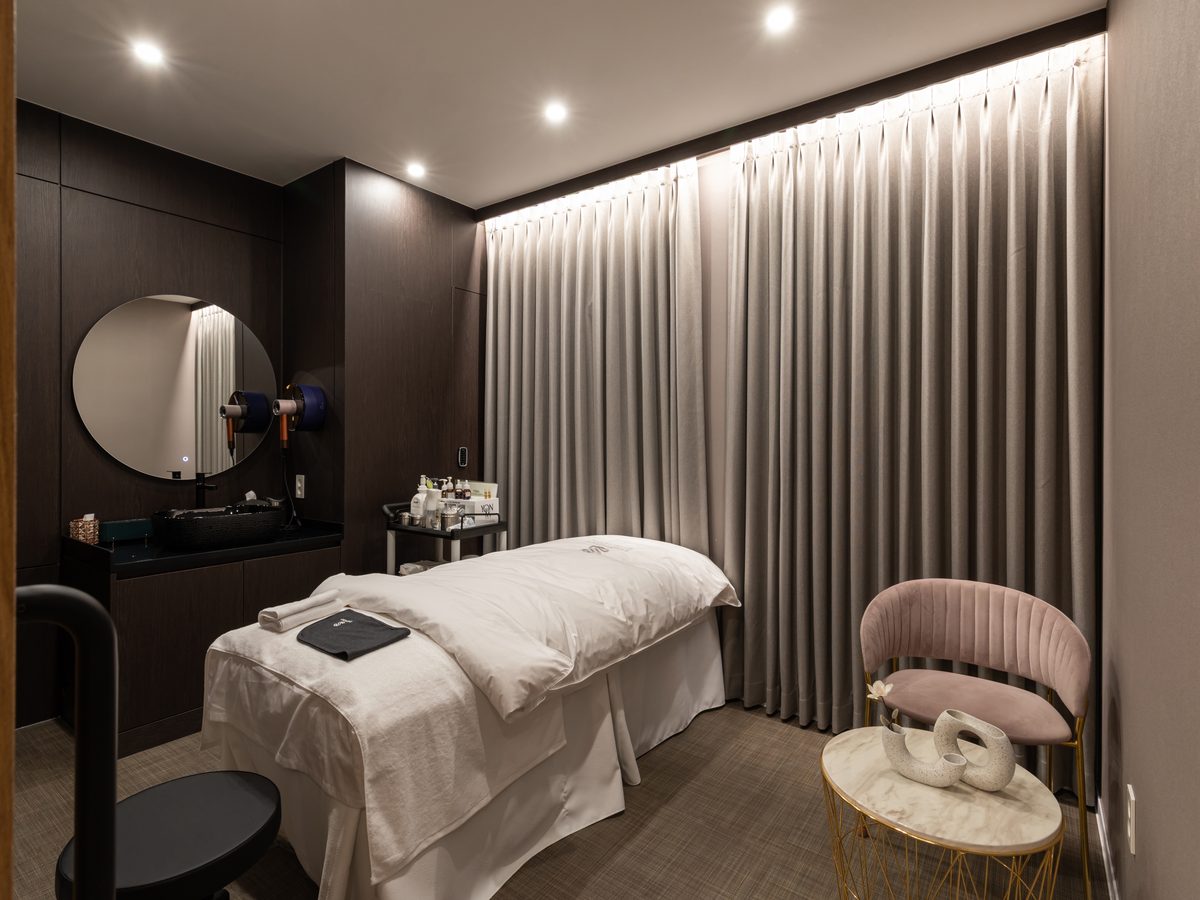
Appointments are one patient at a time, in a private treatment room, and we don't move patients through in batches. Symphony is registered with Korea's Ministry of Health and Welfare as a medical institution permitted to treat international patients, and that registration can be checked on Medical Korea. Visiting details are on Symphony's English home page.
Two things to settle before you book flights: ask at booking how many days to leave between the session and your flight, and if you're traveling in summer, plan the days after treatment around shade and indoor time. If you're comparing clinics, the questions in choosing an Ultherapy clinic in Korea work for scar treatment too: who examines you, who treats you, and what is decided before the first session.
When you're ready, send a daylight photo of the scar on WhatsApp with the dates you'll be in Seoul, and ask the one question on your mind: is this scar ready to treat now, or should it wait?
Questions patients ask us
Can scar removal in Korea make a scar disappear completely?
Rarely. Treatment can make a depressed scar shallower, a raised one flatter and a colored one closer to your skin tone. The American Society of Plastic Surgeons describes the goal of scar revision the same way: a scar that is less noticeable.
Is a Korean scar cream enough for old acne scars?
Usually not for dents. Creams and silicone gels help fresh or raised scars settle while they mature, but a depressed acne scar is missing tissue, and a cream can't replace that. Boxcar, rolling and ice pick scars need a treatment chosen by their shape.
Does scar treatment hurt?
Sessions in the Scar & Stretch Mark Program are done under a topical anesthetic cream, and Mirajet delivers without needles and without heat. Expect pressure and some stinging. If your pain threshold is low, say so at the consultation so you can discuss the options.
I have darker skin. Is Seoul scar removal riskier for me?
The main extra risk is post-inflammatory hyperpigmentation: dark patches that can appear weeks after treatment and take months to fade. It doesn't rule treatment out, but it changes which treatment and settings make sense, and it makes sun protection after the session essential.
Can you treat a scar from cosmetic surgery, such as a canthoplasty or rib cartilage rhinoplasty scar?
Scars from cosmetic surgery are among the scars we treat. If the operation was within the past year, the scar is usually still changing, and the surgeon who operated should see it first. A scar near the eye, or on the chest where cartilage was taken, needs an in-person exam before anyone chooses a treatment.
Sources
Treatment details: Symphony Skin Clinic treatment information, checked Oct 22, 2026.
This page is general information from Symphony Skin Clinic, not a diagnosis. Results, risks and recovery differ by person. Treatment is decided after an in-person consultation with a licensed doctor. Clinic and treatment photos on this page were taken at Symphony Skin Clinic.
Keep reading
- Scar / Stretch MarkStretch mark treatment in Korea: the phase decides the planStretch mark treatment in Korea starts by separating the red phase from the white: they are different events in the skin. Symphony: 300,000-500,000 KRW.8 min read
- Scar / Stretch MarkAcne scar treatment in Korea: what a doctor reads before choosing anythingHow acne scar treatment in Korea is planned: the four scar shapes a doctor reads first, and why Symphony pairs needle-free Mirajet delivery with Juvelook.8 min read
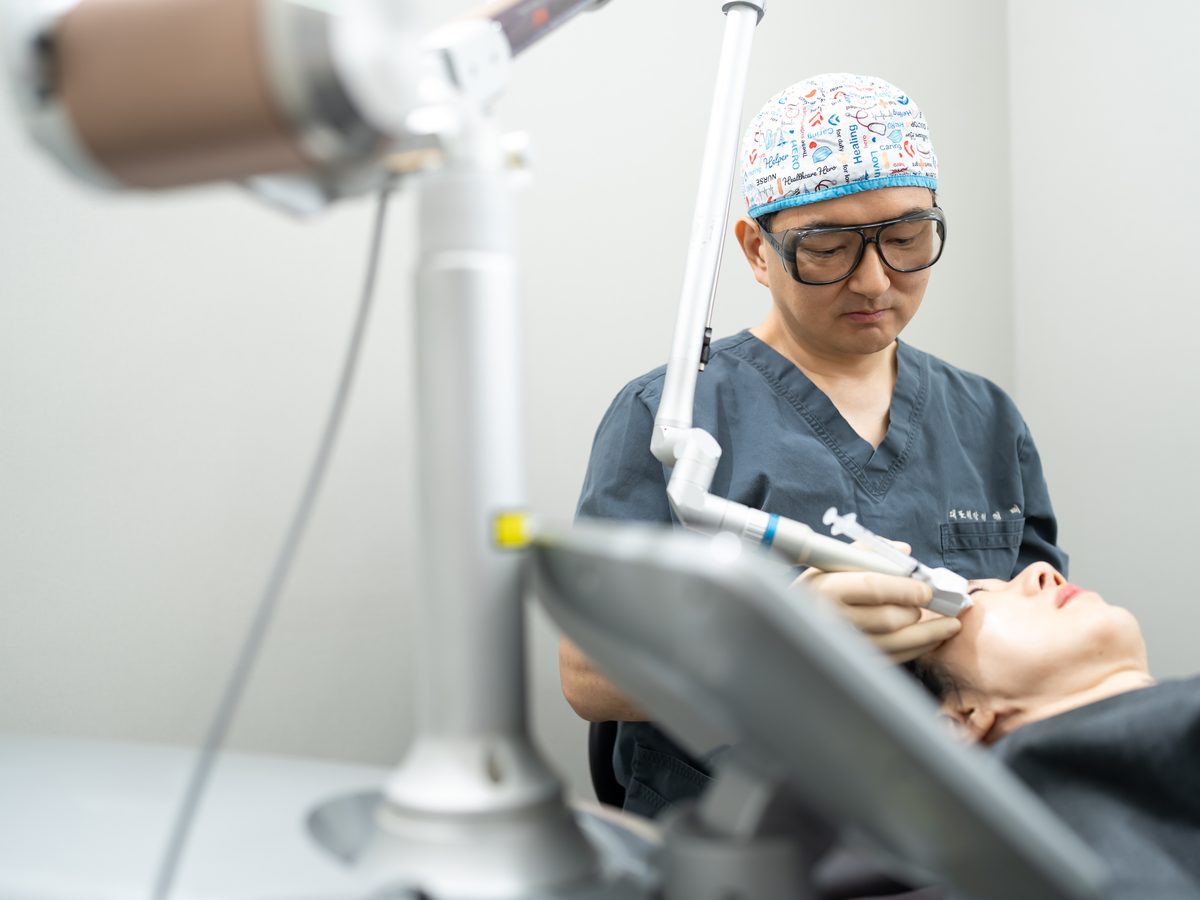
- Lifting / FirmnessUltherapy in Korea: what it actually does, how we plan it, and who it fitsWhat Ultherapy treats, how Symphony checks depth with live imaging first, and who it suits. Doctor-reviewed guide. Get a quote on WhatsApp.8 min read