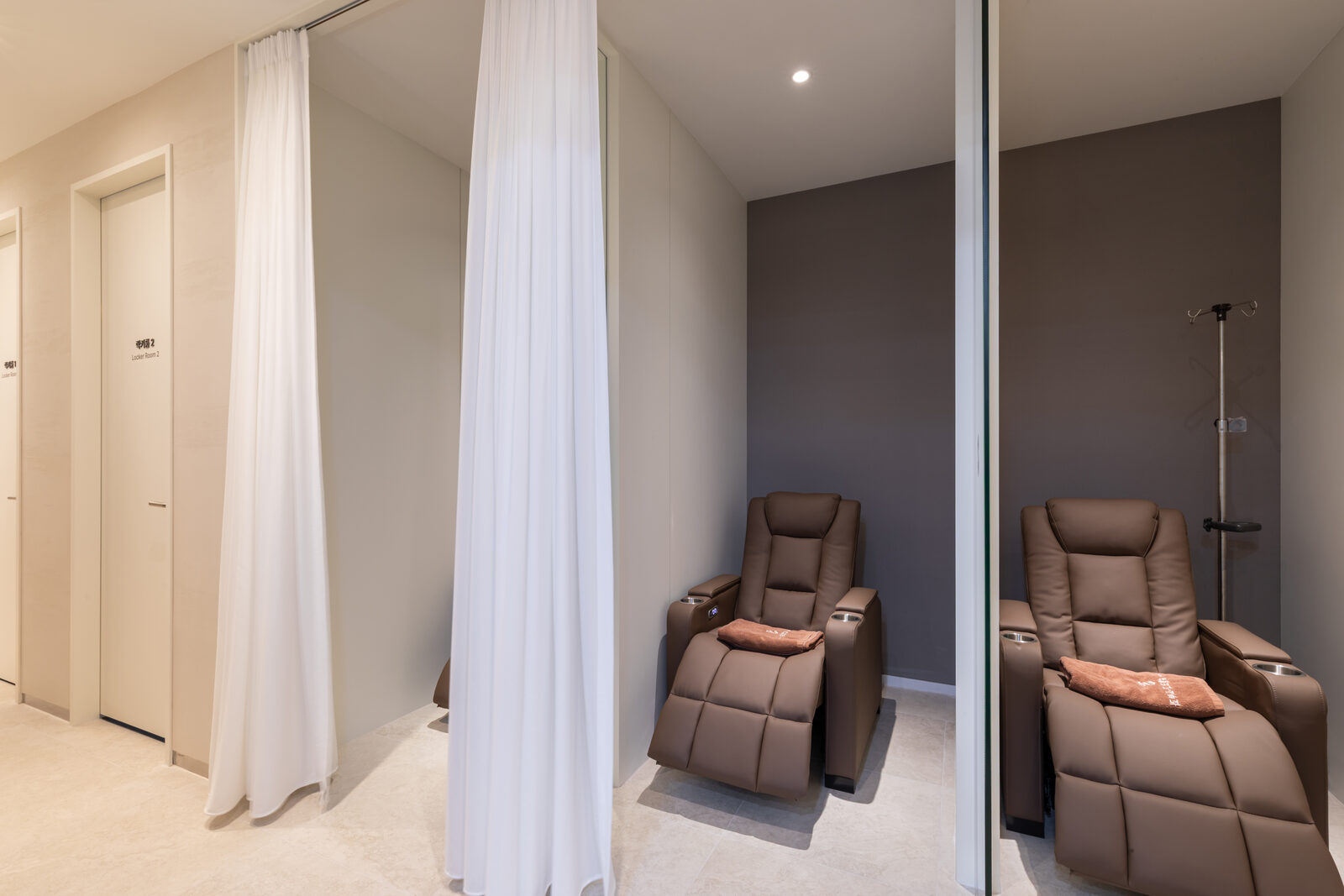
Sagging Pores: Why Cheek Pores Widen in Your Thirties and Forties, and Why Firmness Is the Real Target

Written by Dr. Hyun Kyung-bae, Chief Director · Plastic surgeon (Korea) · Reviewed by Dr. Lee Jae-hyun, Director · Japanese medical licenseUpdated 7 min read
In short Sagging pores look larger because the skin around the opening has lost collagen and firmness, not because of oil. Cleansing and pore products change them little; the plan works on firmness, often with radiofrequency, ultrasound or a collagen booster.
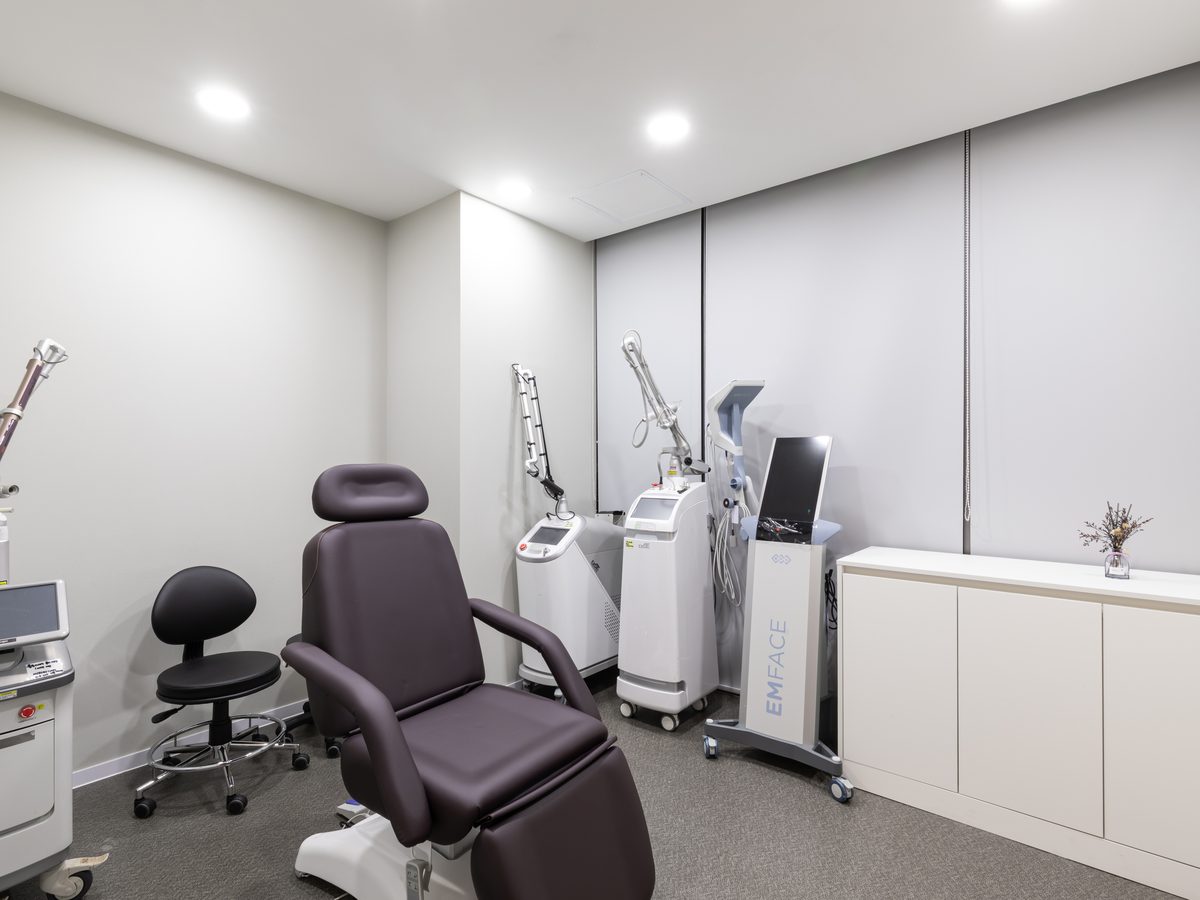
Pores on the cheeks that look stretched, a little oval, and more visible each year, even though your skin isn't especially oily: those are often sagging pores. They widen because the collagen and elastic fibers around each opening have weakened, so the pore no longer holds its shape.
That changes what helps. Clay masks, pore strips and oil control do little for this type, because oil isn't what's holding the opening wide. Our Pore Program sorts pores into three types first, and when firmness is the main cause, the plan leans on treatments that work on the dermis.
I'm Dr. Hyun Kyung-bae, Chief Director at Symphony in Sinsa, Seoul, and a plastic surgeon in Korea. The question I'd want answered before anything else is whether your pores are mainly a firmness problem, an oil problem or an old acne problem, because each one asks for a different plan.
How do you tell sagging pores from oily pores?
A review in Dermatologic Surgery names three main causes of enlarged facial pores: high sebum output, decreased elasticity around the pore, and larger hair follicles. The authors add that because the causes differ, treatment has to be chosen for the person. Telling them apart is the first step.
| Type | Where it usually shows | What the plan leans on |
|---|---|---|
| Firmness loss | Cheeks, often oval-shaped | Dermal tightening, collagen boosters |
| Excess sebum | Nose, centre of the face | Oil and keratin clearing |
| Scar type | Where acne used to be | Resurfacing, scar techniques |
Three pore types, and where the plan starts
A few cues point toward the firmness type:
- The pores changed slowly with age. They weren't this visible in your twenties, and oil hasn't increased.
- They sit on the cheeks. The nose may be clear while the mid-cheek looks textured.
- They soften when the skin is lifted. Gently draw the skin at your temple upward in a mirror. If the cheek pores look smaller while you hold it, slack skin is part of the picture.
That mirror test is a rough guide. Many faces mix two types, which is why the type is confirmed at the in-person exam. Pores that look more like small pits are the scar type, and how to tell three causes of textured skin apart goes into that overlap.
Why do pores get bigger with age?
The American Academy of Dermatology puts it simply: pores look larger when skin sags, and the more sun-damaged the skin, the less firmness it has. Our own list of what makes pores worse matches it: aging and loss of elasticity, UV exposure, high oil output, and over-exfoliation, which thins the skin layer and works against the pore.
That last one surprises people. Scrubbing harder to clear the pore tends to make the firmness type look worse over time.
What works on firmness-type pores?
The treatments that help are the ones that rebuild support in the dermis around the pore. On our pore program that means a combination rather than one device, chosen at consultation:
- Thermage. Radiofrequency heats the dermis while the surface is cooled, supporting tightening, fine lines and collagen renewal.
- Ultherapy. Focused ultrasound works deeper, on the lift that holds the cheek up.
- Intracel. Delivers brief radiofrequency into the dermis to support new collagen.
- Toning. A laser that works on the skin to support new collagen.
- Collagen boosters through Mirajet. Mirajet delivers a solution into the dermis without a needle or heat. A booster such as Juvelook, PLA with hyaluronic acid, is one option it can carry.
How the two lifting devices differ, and which layer each reaches, is laid out in Ulthera vs Thermage. On the pore program, lifting devices are often part of the same plan when the pore pattern is firmness-related, rather than booked as a separate treatment.
Fraxel, a resurfacing laser, sits on the same list but answers the scar type better than this one. Fraxel for pores, and the flight home covers it.
If you'd like a direction before you book, send one photo of your cheek on WhatsApp, taken at an angle in daylight with no makeup, and say roughly when the pores started to look different.
Can pores be made permanently smaller?
No. Pore size follows its causes, and firmness, sun exposure and oil keep changing with age and environment. The aim is to make pores less noticeable and to keep the causes managed.
That's why daily sun protection belongs in the plan, not just in the aftercare sheet. The AAD advises a broad-spectrum, water-resistant sunscreen with SPF 30 or higher every day, including when it's raining or cold.
What are the risks, and who should wait?
After radiofrequency or ultrasound, redness and mild swelling are common and usually short-lived. Ultrasound can leave some tenderness. With injected boosters, the method matters: Mirajet doesn't leave raised bumps, while with an injector, the small even bumps that form are usually absorbed within about a day. Resurfacing lasers carry a risk of dark marks afterward, more so in skin that tans easily.
How your skin reacts varies from person to person. It's usually wiser to wait if you have:
- Active, inflamed acne in the area
- A fresh tan, or a beach trip straight after
- Isotretinoin within the past several months
- A pregnancy, or you're breastfeeding
- A pacemaker or other implanted electronic device, if radiofrequency is being considered
The fuller list, with reasons, is in when I'd tell you not to book a pore treatment.
How does a pore plan fit into a trip to Seoul?
A pore session runs about 30 to 40 minutes under topical numbing cream, and you can return to your day afterward. Pore work is normally a course rather than one session, so if you can come only once, the doctor proposes a realistic sequence against the time you have.
Say you're 39, living in Hong Kong, with cheek pores that have looked stretched since your mid-thirties and a long weekend free. You land Thursday night, have the consultation and first session Friday, and fly home Sunday or Monday. Your skin may be pink for a day, and makeup is fine once the doctor says so before you leave.
We're open weekdays 10:00 to 19:00 and Saturdays 10:00 to 17:00, closed on Sundays and Korean public holidays. Our location and hours has directions from Sinsa Station Exit 8. An interpreter stays with you from reception to the treatment room, and the doctors who plan and treat are listed with their training.
You leave with a written recovery guide in your language, and the same WhatsApp thread carries check-ins on day 1, 3 and 7 and guidance at day 30.
Send a photo of your cheek at an angle in daylight, and tell us whether your skin feels oily by midday. In the room, I'll look at the shape of the pores and the firmness of the skin around them, because that decides whether lifting belongs in your plan at all.
Questions patients ask us
Do pore minimizer products work on sagging pores?
They can blur the surface for a few hours, but they don't add firmness around the opening. On the oily type, clearing oil can make a visible difference; on the firmness type, the change is small.
Should I keep using retinol before a pore treatment?
Whether a retinoid suits your skin is a question for a doctor who can follow you at home. If you already use one, tell us before your visit, since it can make skin more reactive around in-clinic treatments.
Is it painful?
Topical numbing cream is applied before a pore session. Most people describe heat or prickling during radiofrequency and laser steps, and the warmth fades over the evening.
Can I combine a pore plan with a lifting treatment?
Yes. When pores are mainly a firmness problem, lifting devices are often part of the same plan. Which ones, and in what order, is decided at consultation.
When will I notice a change?
Treatments that rebuild collagen work over weeks to months rather than overnight. How quickly the change shows varies from person to person.
Sources
- Facial Pores: Definition, Causes, and Treatment Options (Dermatol Surg, 2016)
- What can treat large facial pores? (American Academy of Dermatology)
Treatment details: Symphony Skin Clinic treatment information, checked Nov 12, 2026.
This page is general information from Symphony Skin Clinic, not a diagnosis. Results, risks and recovery differ by person. Treatment is decided after an in-person consultation with a licensed doctor. Clinic and treatment photos on this page were taken at Symphony Skin Clinic.
Keep reading
- Scar / Stretch MarkKorean Pore Treatment: When I'd Tell You Not to Book It, and What It Can't ChangeKorean pore treatment can make pores less noticeable but won't erase them. Who should wait, the real risks, and what to send on WhatsApp first.7 min read
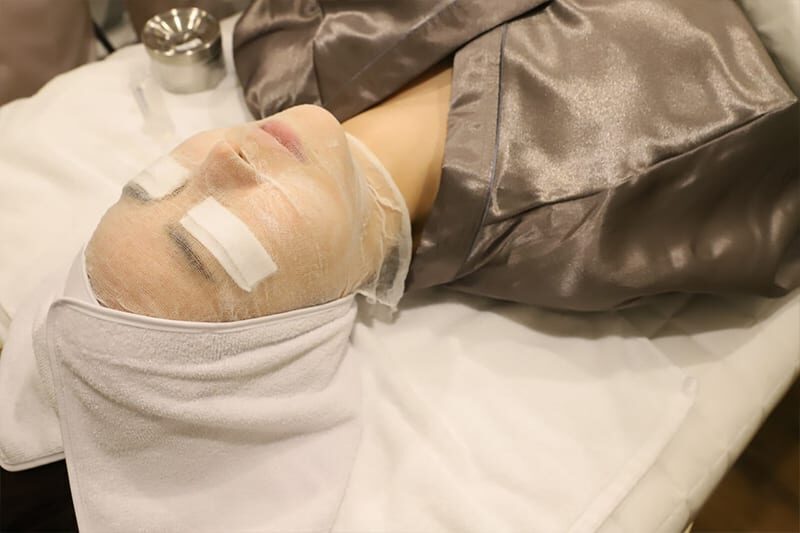
- Scar / Stretch MarkFraxel Laser Korea: Will Your Face Be Ready for the Flight Home?Fraxel laser Korea is a resurfacing laser that leaves normal skin between treated zones. Symphony reads your pore type first; send a photo on WhatsApp.7 min read
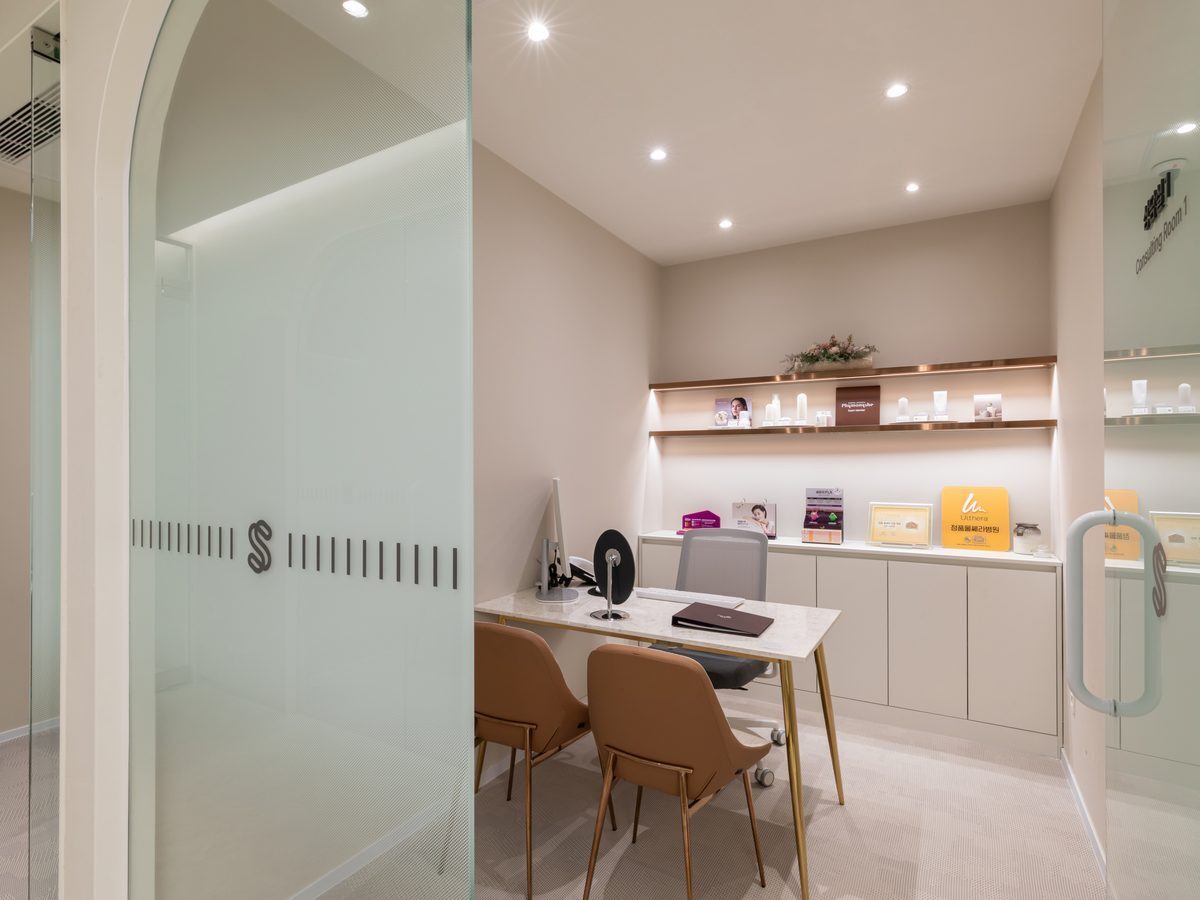
- Scar / Stretch MarkTextured skin: three causes that look the same, and why the treatment starts with telling them apartTextured skin explained by a Seoul dermatology clinic: the three causes read first, why surface care alone often falls short, and how the combination is priced.7 min read