Korean Pore Treatment: When I'd Tell You Not to Book It, and What It Can't Change

Written by Dr. Hyun Kyung-bae, Chief Director · Plastic surgeon (Korea) · Reviewed by Dr. Lee Jae-hyun, Director · Japanese medical licenseUpdated 7 min read
In short Korean pore treatment can make pores look smaller but won't erase them. Active acne, a fresh tan or recent isotretinoin are reasons to wait, and your pore type decides the plan.

Wondering whether a laser in Seoul can really shrink the pores on your nose and cheeks, or whether you'd fly all that way for a change only you can see?
Korean pore treatment can make pores look smaller and less noticeable, but it doesn't make them disappear. And there are times I'd tell you not to book it on this trip at all: inflamed acne that's still active, a fresh tan, or isotretinoin in the last few months. What a session can change depends on why your pores look large, which is what our Pore Program is built around.
Hello, I'm Dr. Hyun Kyung-bae, Chief Director at Symphony Dermatology in Sinsa, Seoul. I'm a plastic surgeon, and I've practiced at Symphony for 17 years.
Before any device is chosen, your pores are read as one of three types, and the doctor who examines you is the one who treats you, one patient at a time in a private room. An interpreter stays with you from reception to the treatment room at no extra charge, and Symphony is registered with Korea's Ministry of Health and Welfare to treat international patients, a register you can check yourself.
Why can't a photo show which pores will respond?
On our own photo consultation page, pore and skin-texture detail sits on the list of things that need an in-person examination, next to redness and measured skin thickness. Lighting, makeup and phone-camera smoothing change how pores look on a screen. The difference between a pore held open by oil and one widened by old acne damage is often clearer at arm's length than in a selfie.
A photo still earns its place. It shows where the pores cluster and how much the skin around them has slackened, which gives a direction. It can't settle the plan.
The three reasons pores look large
Enlarged pores fall into three types, and the plan follows the type.
Risks and side effects to know
- Scar-type pores. Old acne damage has pulled the edges down, so they read as small pits. They behave more like acne scar treatment in Korea than like oily-skin care.
- Loss-of-firmness pores. The skin around the opening has slackened, often on the cheeks, and the pores look stretched. The American Academy of Dermatology puts it plainly: pores look larger when skin sags.
- Excess-sebum pores. Oil and clogging keep them open, usually across the nose and the center of the face. When pores clog, the AAD notes, they expand.
Plenty of faces carry two types at once, which is why a single device rarely covers the whole picture.
Is there such a thing as Korean pore surgery?
No. Nothing is cut. What's offered as pore treatment in Korea is a set of devices and skincare combined by type. Our pore program lists Fraxel, a resurfacing laser that leaves areas of normal skin intact between treated zones, alongside Mirajet, Ulthera, Thermage, Toning and Intracel. Firmness-type pores lean on the tightening devices, and how Thermage FLX is planned and priced covers that side.
K-beauty pore minimizers and cleansing foams belong in a different category. They clear oil and blur the surface, and on the sebum type they can make a visible difference; the AAD notes that salicylic acid can unclog pores. They don't lift a scar edge or firm slack skin.
If you're unsure which type you have, send two photos on WhatsApp, the front and one side of your face in daylight with no makeup or filter, and ask which of the three types they look like and whether a laser is worth considering for it.
When I'd tell you not to book it yet
If a treatment wouldn't change what you came in for, I'd rather say so before your first session than add sessions after it. These are the situations where my answer is not this trip, or not this treatment.
Inflamed acne that's active right now. Resurfacing over angry breakouts adds irritation to skin that's already inflamed, and inflammation itself makes pores look larger. Get the acne under control first. Our acne-prone skin options, from medical skincare to hyperbaric oxygen therapy for calming inflamed breakouts, are a different starting point from a pore laser.
Isotretinoin in the last several months. Many dermatologists hold off on resurfacing lasers for a period after a course of isotretinoin, and practice varies on how long. Tell us the date of your last dose up front so that decision isn't made at the chair.
A fresh tan, or a beach holiday right after. Heat and inflammation in tanned skin raise the risk of dark marks afterward. DermNet notes that post-inflammatory hyperpigmentation is more common in darker skin types. If your trip to Seoul runs straight into a week in the sun, I'd rather plan the laser for a different trip.
Pregnancy or breastfeeding. In general practice, elective lasers and active home products such as retinol are postponed until afterward; the AAD advises against retinol during pregnancy or breastfeeding.
The goal is no visible pores at all. Pores are normal openings for oil and hair. If the picture in your head is skin with no texture, no device gets you there, and you'd be paying for disappointment.
What can go wrong after a pore laser?
The common reactions are temporary: redness, warmth, mild swelling and a rough, sandpaper feel for a few days. During a pore treatment course, daily life, washing and makeup can continue. Some people get a small breakout as the skin settles.
The one to take seriously is post-inflammatory hyperpigmentation: flat brown marks where the skin was irritated. DermNet describes it as more common in darker skin and slow to fade, often over months, and sun exposure makes it worse. That's why medical skincare such as LDM, O2 Derm oxygen therapy and aqua peel is used alongside pore and scar work here, to calm the skin and keep side effects like pigmentation low. Infection, a cold sore flare and scarring are rare.
How skin responds varies from person to person, so anything that looks off is worth showing early.
If a reaction shows up after you fly home, you have a route back. You receive a written recovery guide in your language on the day, check-ins on day 1, 3 and 7, and guidance at day 30, all in the same WhatsApp thread, and if something looks off your photo goes to the physician and the reply comes back from the physician. That is recovery guidance, not remote treatment: for spreading redness, pain, pus or fever, see a doctor where you are.
How many sessions, and does one trip make sense?
The number of sessions and the interval between them are set at consultation, because they follow the pore type and how your skin reacts. Resurfacing in general works as a series spaced weeks apart, so if you can only come once, think of that visit as a first session plus a plan you understand. You hear the whole plan and the total before the first session starts.
It also helps to know what a pore plan isn't. Skin boosters answer a different complaint: Rejuran, a skin treatment that isn't a filler, and exosome treatment in Korea work on skin quality and aren't a pore plan on their own. If you're comparing quotes for combined plans, what decides the cost of acne scar treatment, how an exosome session is priced and which part of a Rejuran cost you're choosing show how each piece is counted.
And if you're also considering stretch mark treatment in Korea, plan it as its own question on the same trip.
Your days in Seoul for a pore plan
Say you're 33, flying in from Chicago with six nights, oily skin across the nose and cheek pores that have looked stretched since your late twenties. You land on a Tuesday evening. Wednesday is the examination and, if the plan suits you, a first session of about 30 to 40 minutes under topical numbing cream. Weekdays run 10:00 to 19:00 and Saturdays 10:00 to 17:00; the clinic is closed on Sundays and Korean public holidays.
It's on the 2nd floor at 165 Dosan-daero, Gangnam-gu, about a 10-minute walk from Sinsa Station (Line 3), Exit 8. Directions and hours are also on the Symphony Dermatology English site.
Thursday and Friday your skin is pink and rough, and you can still wash and wear makeup. Wear a broad-spectrum, water-resistant sunscreen of SPF 30 or higher every day, rain or not, and keep the sightseeing to shade where you can. By Monday's flight you're past the redness for many skin types, and the day 1 and 3 check-ins have already happened in the WhatsApp thread you booked through; day 7 arrives after you're home.
Before you book, send the date of any isotretinoin course or laser in the past year on WhatsApp, with one daylight photo of your cheeks, and ask whether your pores look like a type a laser actually changes. On the day, what I need to read in person is the edge of each pore and the firmness of the skin around it, because that decides whether a device belongs in your plan at all. A photo and a date are enough to start the conversation.
Questions patients ask us
Do K-beauty pore minimizers or cleansing foams shrink pores?
They can make pores look smaller for a while by clearing oil and blurring the surface, but they don't change the pore's structure. The AAD suggests washing twice a day with a gentle cleanser and using only products labeled non-comedogenic or oil-free.
Can I wear makeup during a pore treatment course?
Yes. Daily life, washing and makeup can continue during the course. Skip heavy scrubs and hot water on the first days, since irritated skin makes pores look larger.
Does a pore laser hurt?
A pore session takes about 30 to 40 minutes under topical numbing cream. People usually describe heat and prickling rather than sharp pain, and the warmth fades over the evening.
What decides the cost of pore treatment in Korea?
The combination of devices, the area treated and the number of sessions. Send a photo on WhatsApp for a rough cost range; the exact quote follows the in-person examination.
Will my pores look large again after treatment?
Oil, sun damage and the slow loss of firmness with age keep going after any treatment. Daily sunscreen and non-comedogenic skincare protect the result, and maintenance is part of the day 30 guidance.
I have darker skin. Is pigmentation more likely?
Post-inflammatory hyperpigmentation is more common in darker skin types. Avoid a tan before treatment, protect your skin from the sun after it, and tell the doctor about any dark marks you've had after acne or earlier lasers.
Sources
- What can treat large facial pores?
- Postinflammatory hyperpigmentation
- Acne: Diagnosis and treatment
- Acne-prone skin? Dermatologists' tips for caring for your skin
Treatment details: Symphony Skin Clinic treatment information, checked Nov 8, 2026.
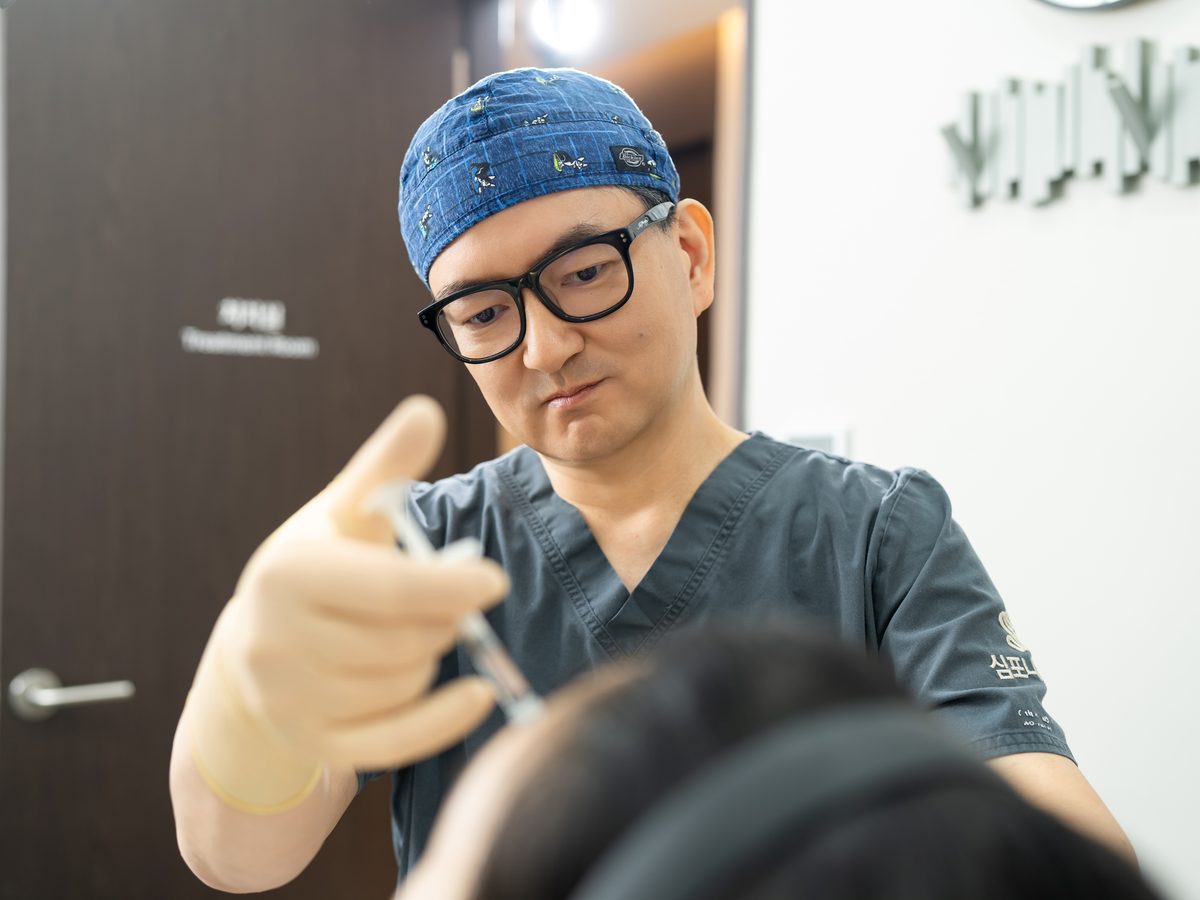
This page is general information from Symphony Skin Clinic, not a diagnosis. Results, risks and recovery differ by person. Treatment is decided after an in-person consultation with a licensed doctor. Clinic and treatment photos on this page were taken at Symphony Skin Clinic.
Keep reading
- Scar / Stretch MarkAcne scar treatment in Korea: what a doctor reads before choosing anythingHow acne scar treatment in Korea is planned: the four scar shapes a doctor reads first, and why Symphony pairs needle-free Mirajet delivery with Juvelook.8 min read
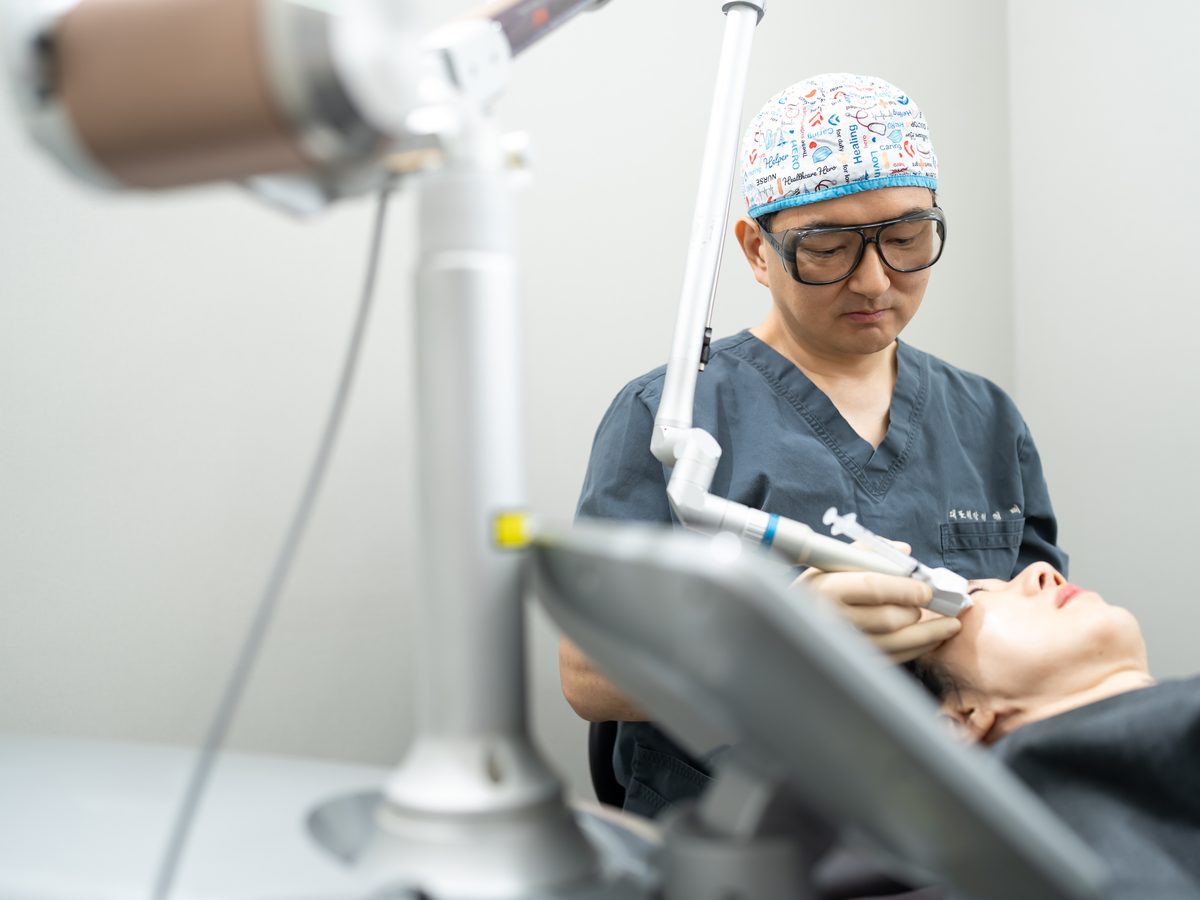
- Lifting / FirmnessThermage FLX in Korea: what decides the price, how many shots you need, and how to plan the tripWhat sets the price of Thermage FLX in Korea: shot count, eye tip, genuine tips and sedation. Doctor-reviewed guide from a Seoul clinic. Get a quote on WhatsApp8 min read
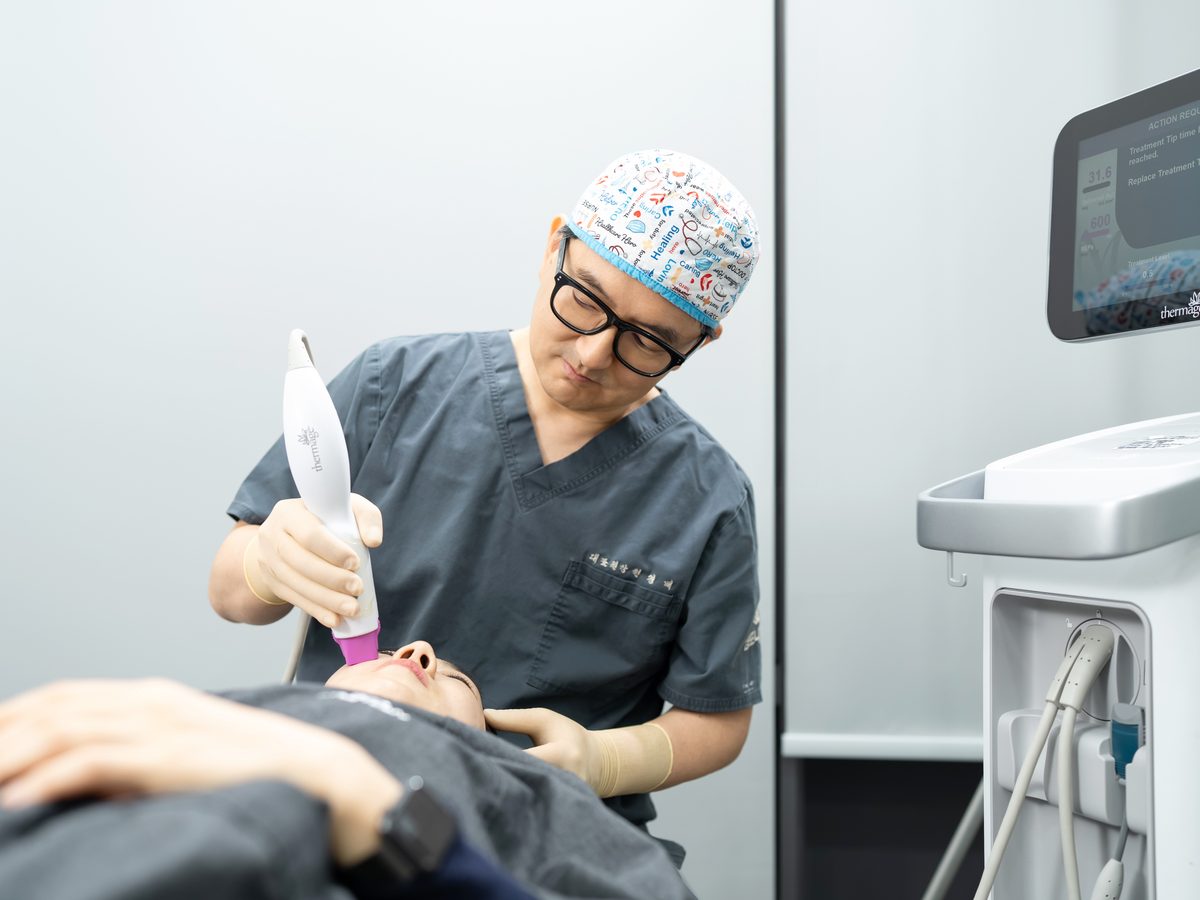
- Skin BoosterRejuran in Korea: a skin treatment that is not a fillerRejuran korea explained by a Seoul clinic: what polynucleotide does, why it is not a filler, and how Rejuran, Rejuran i and Rejuran HB differ from each other.8 min read