Rejuran Recovery Time: How Many Days Should You Leave Before Flying?

Written by Dr. Hyun Kyung-bae, Chief Director · Plastic surgeon (Korea) · Reviewed by Dr. Kang Eun-joo, DirectorUpdated 7 min read
In short Rejuran recovery time is usually one to three days for the injection bumps and up to about a week if a bruise appears. Plan your flight home around the bruise, and around what you have to do on arrival.

Worried your Rejuran recovery time won't fit between a Rejuran Healer session in Seoul and the flight home?
Read this before you book the return leg.
You'll know what your skin usually looks like each day, what decides the cost, which review claims hold up and how the methods differ, so you can pick dates that suit your trip and your budget.
Hello, I'm Dr. Hyun Kyung-bae, Chief Director of Symphony, where I've spent 17 years.
We book one patient at a time in a private treatment room. The doctor who talks through your plan carries it out, and an interpreter stays with you from reception to the treatment room.
I wrote this because people often plan around the word "downtime" on a listing, when a bruise is what decides the date.
For many people, the bumps settle in one to three days. A bruise, if you get one, can take about a week.
Why do the bumps appear at all?
Rejuran is a thin liquid placed in small amounts just under the surface, and each deposit lifts the skin for a while. Your body then absorbs it. That's why the marks sit in a grid and fade together. How Rejuran works in the skin has its own page, so I'll stay with the calendar here.
Methods: does needle or Mirajet change the recovery?
In short, it can change what you see, so ask about it for your skin. Needle injection leaves the familiar bumps and carries a chance of bruising. Mirajet, which we have at the clinic, is a needle-free delivery device, and our treatment list puts it in the same-day downtime group. It still pushes product into the skin, so redness and small marks remain possible.
Rejuran recovery time, day by day
Put simply, these are typical patterns for needle injection, and your own skin may move faster or slower.
| When | What you may see | Your plans |
|---|---|---|
| Session day | Raised bumps, redness, tenderness | A quiet evening, no heat or alcohol |
| Day 1 | Flatter bumps, some swelling, a bruise may surface | Walking and desk work are usually fine |
| Days 2-3 | Bumps faint or gone for many people | Photos are often workable with makeup |
| Days 4-7 | Any bruise fades through green and yellow | Your normal schedule |
A systematic review of polynucleotide studies describes mild reactions typically resolving within a week, with no severe events in the included studies.
If your return flight is already booked, send one daylight photo of the area and your Seoul dates on WhatsApp, and ask how close to that flight you could schedule a session.
How many days should you leave in Seoul?
If how you look on arrival matters, leave three nights between the session and the flight. If it doesn't, one night is workable. If you land straight into a wedding or a big meeting, count back a full week, because that's the margin a bruise may need.
Flying itself is rarely the deciding factor. The CDC's medical tourism guidance suggests delaying air travel for 10-14 days after major surgery, and a skin injection sits in a very different category. Even so, I wouldn't board on the same day. A night in Seoul gives an unexpected reaction time to show while you can still come back to the clinic.
The clinic calendar matters as much as your skin. We're open weekdays 10:00-19:00 and Saturdays 10:00-17:00, and we're closed on Sundays and Korean public holidays. A Saturday session means your first full day of recovery falls on a day when the doors are shut. Check for public holidays too, since one can quietly remove a day from your plan. Directions and clinic details are on Symphony's English homepage.
Say you land on Thursday night and fly out on Monday evening. I'd aim for Friday, since Saturday then gives you day 1 with the clinic open until 17:00, Sunday is day 2 for sightseeing, and you board on day 3. Ask at booking whether your in-person exam and session can happen on the same visit, because the exact treatment and amount are decided at that exam before anything begins.
A series changes the arithmetic. The studies in that review ranged from 2 to 12 sessions, mostly spaced two or four weeks apart, and a real-life study of polynucleotides spaced three sessions two or three weeks apart. Unless you're in Korea for several weeks, plan on one session per trip and ask what can be done where you live.
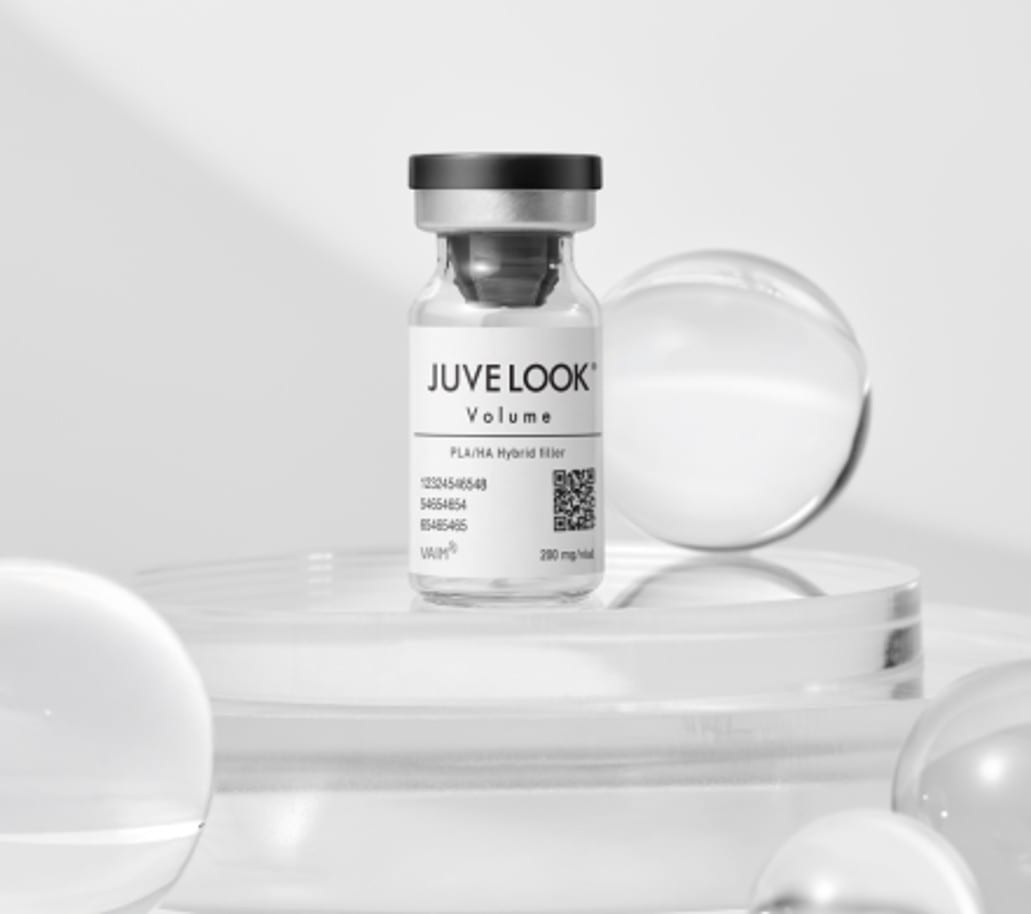
Adding a second treatment needs some sequencing too. Our list puts Rejuran Healer and Juvelook in the short-downtime group, while exosome and botulinum toxin sit in the same-day group. If you're weighing Rejuran against Juvelook, or looking at what decides how much Juvelook you need, keep the recovery of each in mind. We order sessions by the downtime each one carries, so the heavier day isn't the day before your flight home. The same thinking applies to exosome treatment, botulinum toxin planning in Korea and the side effects to expect from Ultherapy.
Reviews say "no downtime": is that true?
In practice, that claim is half true. You can usually walk out and carry on, but needle marks are visible on the skin for a day or more, so "no downtime" depends on what you need your face to do that week.
Three other claims come up often in review threads. "It hurts more than you'd expect" has some support, as injection-site pain was recorded in several of those studies, and sensitivity varies by area. "Bumps mean something went wrong" is generally false, since raised marks are what a deposit under the skin looks like. "Everything's gone by the next morning" happens for some people, but it's a poor basis for booking a flight.
What decides the cost of your session?
Recovery and cost are shaped by many of the same choices. These are the factors that move the figure:
- Area and amount: a full face and a small zone under the eyes are different plans.
- Sessions: one on this trip, or a series with return visits.
- Method: needle injection or a Mirajet session.
- Numbing: topical cream is standard, and nitrous oxide or IV sedation is available where appropriate and you've asked for it.
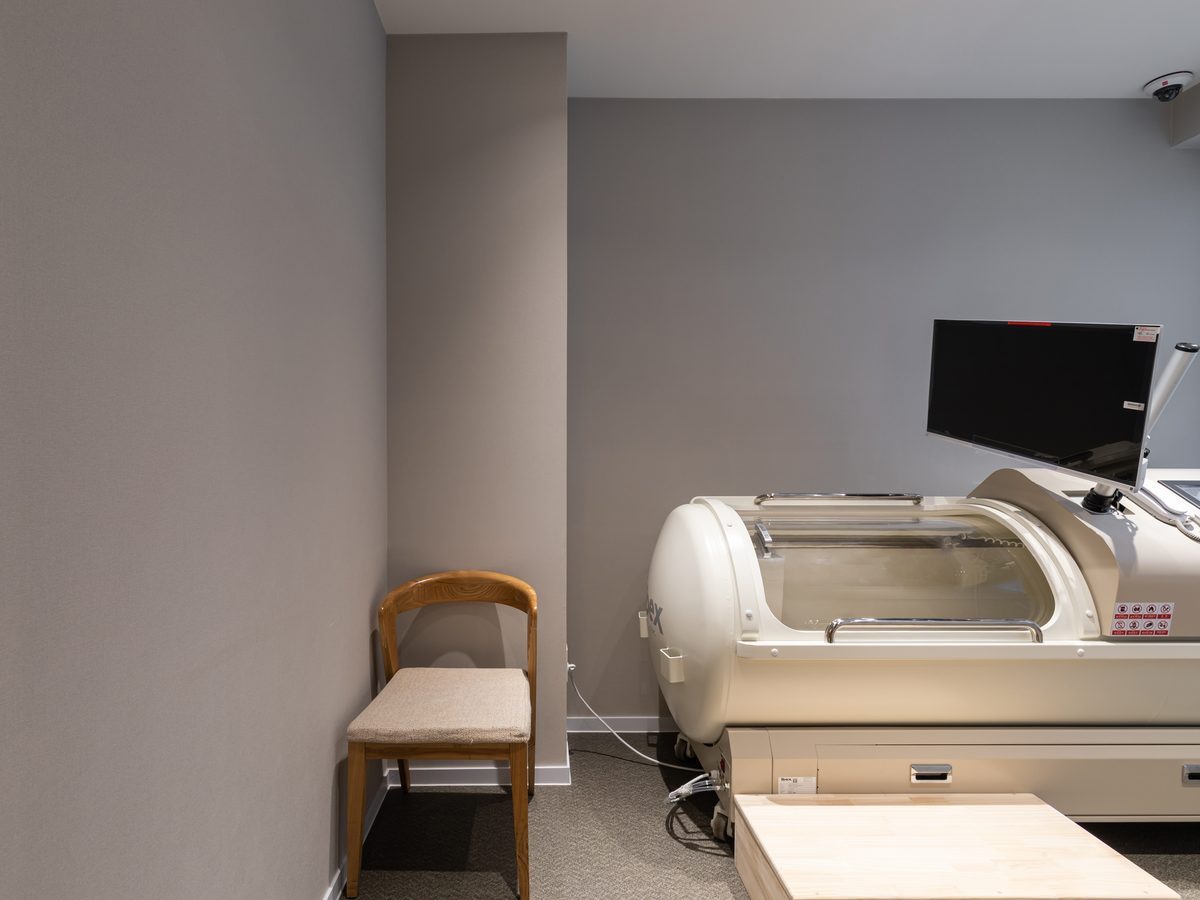
- Add-ons: anything else in your plan, such as time in our hyperbaric oxygen room.
I've written more on which part of a Rejuran quote you're choosing. You hear the whole plan and the total before the first session starts. For your own case, ask on WhatsApp what it would cost, with a photo: from your photos, the doctor gives a rough cost range, and the exact quote follows the in-person exam.
Risks and side effects to know
Common reactions are swelling, redness, tenderness, itching and bruising. These usually settle within about a week, though timing differs from person to person. Less often, a firm spot can linger longer. Rarely, an injection can lead to infection, which needs prompt medical care.
As a general rule, you may need to wait or skip Rejuran in these situations:
- Infection or active inflammation at the treatment site
- A recent laser or peel in the same area
- Current or recent isotretinoin use
- Pregnancy or breastfeeding
- Allergy to salmon-derived ingredients or anything else in the product
Tell the doctor if you take blood thinners, because bruising can be more likely. If you notice spreading redness, worsening pain, warmth, fever or pus after flying home, see a doctor where you are the same day. The CDC also suggests getting copies of your medical records before you return home, and checking how your insurance treats follow-up care for complications.
Once you're home, who answers?
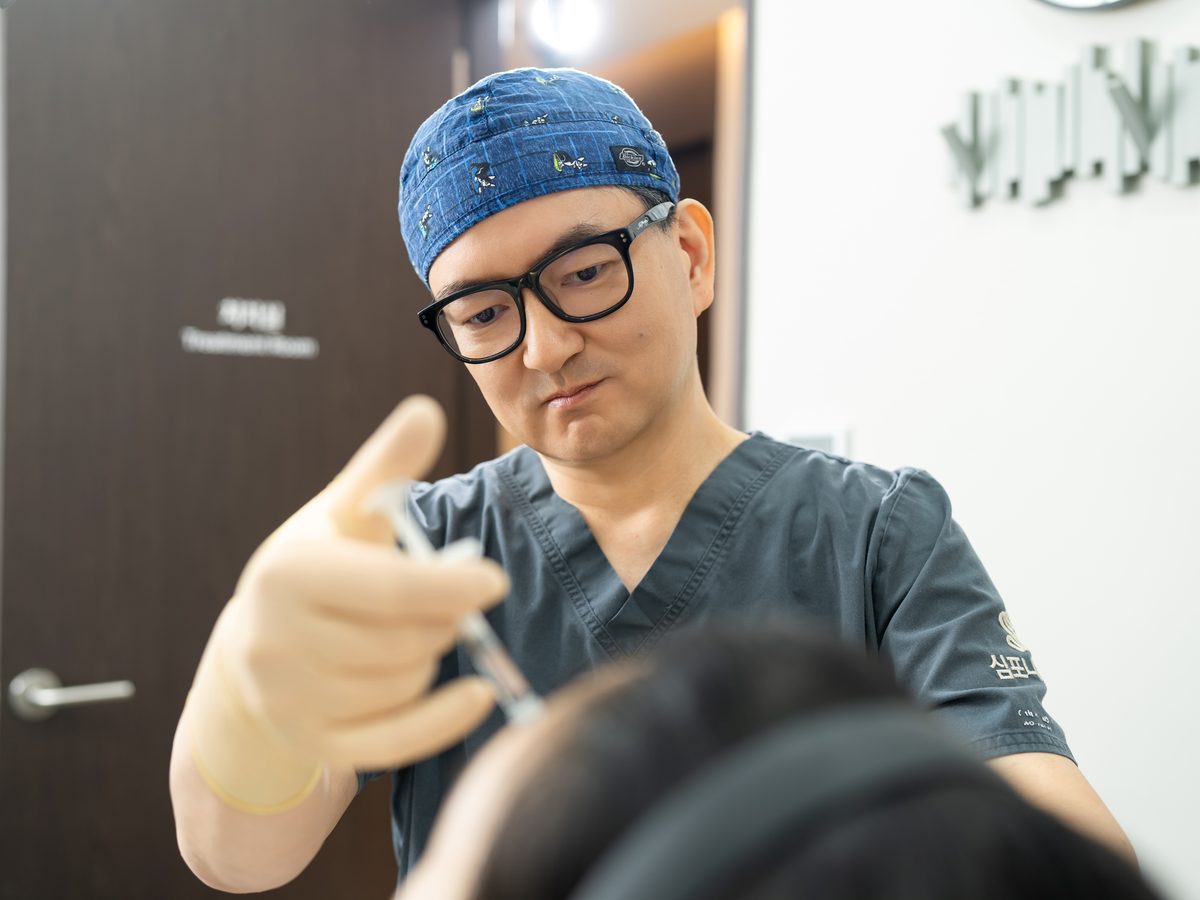
You stay on the same chat you booked through. On treatment day you get a written recovery guide in your language. On days 1, 3 and 7 there's a check-in on WhatsApp: you send a photo, and we confirm recovery is tracking as expected. If something looks off, your photo and message go to the physician, and the reply comes back from the physician. This is recovery guidance rather than remote treatment.
Day 30 brings guidance on when maintenance would be due. By then you're looking at skin quality more than recovery, and those two clocks run separately, much as they do in how results unfold after Ultherapy.
To start, message us on WhatsApp with your flight home and one question: which day should I leave open after the session? One photo is enough, and you can ask before booking anything. When you come in, the doctor examines your skin and recommends what fits it.
Questions patients ask us
Can I fly the day after Rejuran?
Many people can, since a skin injection is very different from major surgery. The main trade-off is that bumps or a new bruise may still be visible on arrival. Mention your flight when you plan the session, and tell the doctor if you've had any other treatment that week.
When can I wear makeup after a session?
A common general guideline is to wait until the next day, once the injection points have closed. Follow the written recovery guide you receive on treatment day, because it reflects what was done to your skin.
How soon can I exercise, drink or use a sauna?
Heat and increased blood flow can make swelling and bruising more noticeable, so many doctors suggest avoiding hard workouts, alcohol and saunas for the first few days. Keep sun protection on during any sightseeing.
Is recovery slower under the eyes?
It can look slower. Skin there is thin, so bumps and bruises show more easily than on the cheeks. If under-eye skin is your concern, I'd lean toward the longer gap before anything important.
Does Rejuran swelling peak later, like surgical swelling?
Usually it doesn't follow that pattern. The bumps tend to look most obvious right after the session and flatten from there. A bruise is the exception, as it can surface or darken over the next day or so.
How long is the appointment itself?
The injection part of Rejuran Healer is listed at 10-20 minutes, with topical numbing. Allow extra time for the in-person exam and for the numbing cream, and confirm the total when you book.
Sources
- The Effectiveness of Polynucleotides in Esthetic Medicine: A Systematic Review
- A Real-Life Assessment of Injectable Polynucleotides High Purification Technology in Aesthetic Medicine for Skin Rejuvenation
- Medical Tourism
Treatment details: Symphony Skin Clinic treatment information, checked Nov 2, 2026.
This page is general information from Symphony Skin Clinic, not a diagnosis. Results, risks and recovery differ by person. Treatment is decided after an in-person consultation with a licensed doctor. Clinic and treatment photos on this page were taken at Symphony Skin Clinic.
Keep reading
- Skin BoosterRejuran in Korea: a skin treatment that is not a fillerRejuran korea explained by a Seoul clinic: what polynucleotide does, why it is not a filler, and how Rejuran, Rejuran i and Rejuran HB differ from each other.8 min read
- Skin BoosterRejuran vs Juvelook: they are not competing, they answer different complaintsRejuran vs Juvelook compared by a Seoul clinic that offers both: polynucleotide against PDLLA, what each one changes, and when the change appears.8 min read
- Collagen / VolumeJuvelook cost in Korea: what a vial costs, and what decides how many you needJuvelook cost in Korea at a Seoul skin clinic: 350,000 to 800,000 KRW per vial by formulation, VAT 10% extra, and what moves a quote within that range.7 min read