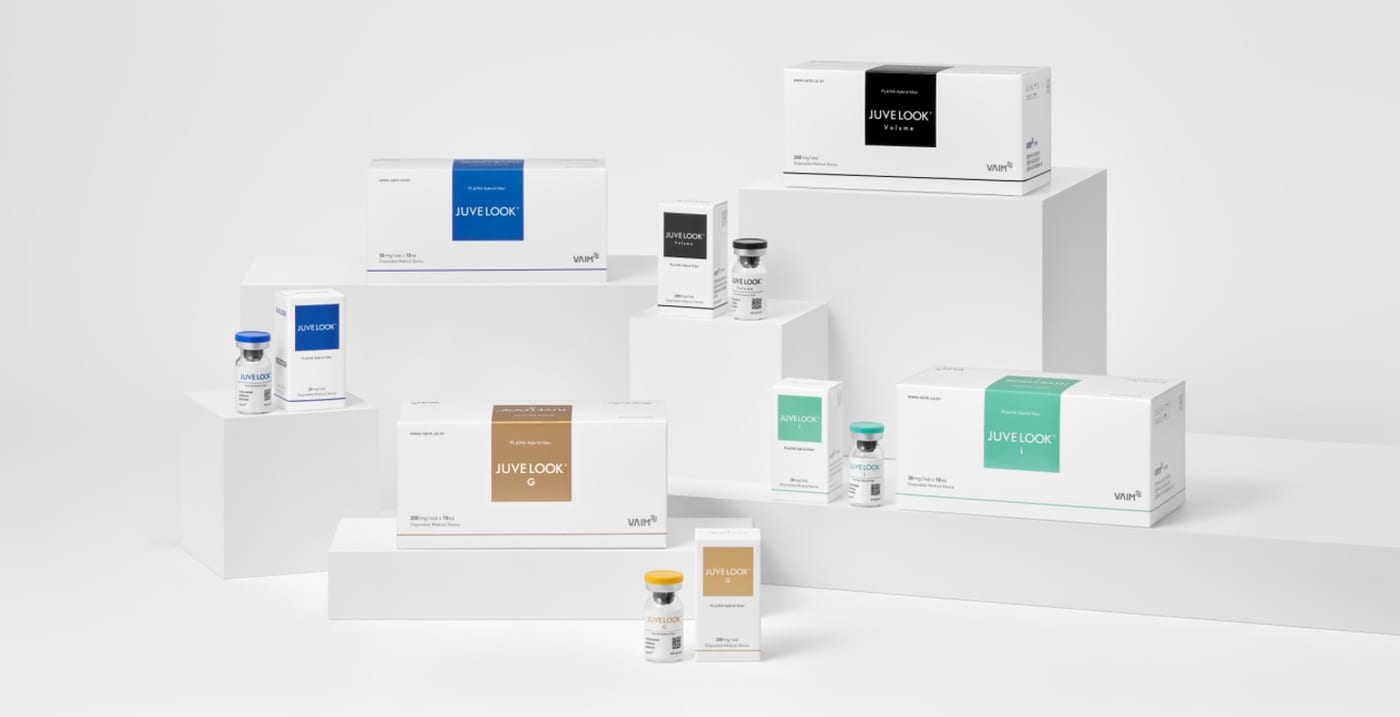
Rejuran Healer vs Juvelook: Which One Would I Leave Off a Short Trip?

Written by Dr. Hyun Kyung-bae, Chief Director · Plastic surgeon (Korea) · Reviewed by Dr. Kang Eun-joo, DirectorUpdated 8 min read
In short Rejuran Healer vs Juvelook: Rejuran suits thin, dry, tired-looking skin that needs repair, and Juvelook suits skin losing firmness. Recovery looks alike, so plan a few spare days for either.

Trying to settle Rejuran Healer vs Juvelook before a short trip to Seoul, and worried about flying home with bumps on your cheeks?
Read this before you book Rejuran Healer or Juvelook, or fix your flight home.
You'll know what decides the cost, what reviews get right and wrong, and how recovery runs day by day, so you can pick the one that fits your skin, your budget and the days you have.
Hello, I'm Dr. Hyun Kyung-bae, Chief Director at Symphony, a plastic surgeon with 17 years here.
Our appointments are one-to-one in a private treatment room, the doctor who talks through your plan carries it out, and an interpreter stays with you from reception to the treatment room.
I wrote this because people often compare the two by ingredient alone, then book a session that doesn't suit their calendar.
Rejuran Healer suits thin, dry, tired-looking skin that needs repair. Juvelook suits skin losing firmness or marked by shallow depressions, where you want collagen built over time. Either way, leave a few days between the session and anything important.
Rejuran Healer vs Juvelook, side by side
Rejuran Healer uses polynucleotides, which come mainly from salmon or trout. A review in Pharmaceutics describes them forming a water-rich gel that improves hydration. There's more on what Rejuran does in the skin in my longer guide.
Juvelook pairs a poly-lactic acid (PDLLA) with hyaluronic acid, and its job is slower: helping your skin build its own collagen. Our menu lists both at 10-20 minutes with topical numbing and short downtime, so the appointment won't separate them. The complaint each one answers will.
What can one short trip actually deliver?
One session, usually. In a systematic review of polynucleotides, the small studies included mostly used two to four sessions spaced weeks apart. Juvelook's change also builds slowly, and how many sessions to plan for Juvelook belongs in your decision. Either way, you'll fly home before you can judge the result.
Which one would I leave off this trip?
If a treatment wouldn't change what you came in for, I say so. For dull, dry, thin skin, I'd leave Juvelook off first. For lost firmness, I'd leave Rejuran off first. For lines that deepen when you frown, neither comes first, and how botulinum toxin is planned in Korea is the better read.
The useful thing to work out now is which complaint bothers you more, and to take one photo of it in daylight.
Rejuran Healer and Juvelook recovery, day by day
For the first three days, these two look more alike than people expect. Both put a needle into the skin many times, so what you see comes mainly from the injections. The table shows general patterns, and your own skin may run faster or slower, especially if you bruise easily.
| When | Rejuran Healer | Juvelook |
|---|---|---|
| Session day | Small raised bumps, redness, some stinging | Similar bumps, redness and swelling |
| Days 1-3 | Bumps usually flatten | Bumps and swelling usually settle |
| Days 4-7 | Mild effects are typically gone within a week; a bruise may be fading | A bruise may be fading; small firm spots can take longer |
| Weeks later | Any change in texture builds gradually, often with repeat sessions | Collagen change builds slowly |
The week-long figure for Rejuran comes from the systematic review above, which found side effects typically resolved within a week, with the caveat that the studies were small. Juvelook has no equivalent line here, so treat its column as general experience with this type of injection.
For the first day or two, I'd skip the sauna, hard workouts and alcohol, since heat and blood flow can add to swelling and bruising. Follow the instructions you're given on the day if they differ.
The real difference shows up later. With either one, the flight home comes too early to tell you much, and with Juvelook, you'll be judging it weeks later from your own bathroom mirror. When Juvelook changes tend to show is worth reading before you decide whether that wait suits you.
How many days should you plan in Seoul?
For bumps alone, three days after the session usually gives them time to settle. For a bruise to fade, plan on about a week. So the answer comes from what you're doing next: a quiet flight home and a desk job can sit close to the session, while a wedding or work photos need the full week.
The flight itself worries people more than it needs to. The CDC's medical tourism page advises delaying air travel for 10-14 days after major surgery, but that advice is about surgery and blood clots. A skin injection is a different scale of procedure, though it's still fair to ask your doctor about your flight time on the day.
The clinic's calendar matters too. We're open weekdays 10:00 to 19:00 and Saturdays 10:00 to 17:00, and closed Sundays and Korean public holidays. You'll find the address and directions on Symphony's English homepage, about a 10-minute walk from Sinsa Station Exit 8.
Say you teach English in Busan, your cheeks look thin and dull, and you have Friday night to Monday night in Seoul. I'd reason it this way: repair is your complaint, so Rejuran Healer comes first. A Saturday session gives you Sunday for the bumps to settle, and the clinic is open again on Monday before you leave, unless it's a public holiday. If firmness were your main complaint, the same calendar would work for Juvelook, but you'd need to accept going home with nothing yet to judge.
A photo gives a direction, not a final plan, so keep some room in those days in case the exam changes your choice. If you're comparing clinics as well, these four questions to ask a Juvelook clinic apply to most injectable appointments.
Risks and side effects to know
The common reactions are temporary: pain at the injection points, swelling, redness, itching, bruising and irritation. How long they last varies from person to person, and thin skin tends to show bruises more readily.
Juvelook carries one extra point to know about. Poly-lactic acid products can occasionally leave firm nodules. An Annals of Dermatology case report describes nodules on both cheeks 18 months after injection of PLLA, a related substance, and notes that short-term reactions usually resolve within one to two weeks. It's one case with a different product, so read it as a reason to report any late lump, not as a forecast.
As a general rule, you should hold off or speak to your doctor first in these situations:
- Infection or active inflammation at the treatment area
- A recent laser treatment or peel on the same skin
- Current or recent isotretinoin
- Pregnancy or breastfeeding
- Allergy to any ingredient, including fish or salmon sensitivity for Rejuran Healer
- Past nodules or lumps after injectables, particularly relevant for Juvelook
If something appears after you fly home, you have a route back to us. You receive a written recovery guide in your language on the day, check-ins on days 1, 3 and 7, and guidance at day 30. If something looks off, your photo and message go to the physician, and the reply comes from the physician. This is recovery guidance and not remote medical treatment, so see a doctor where you are if symptoms worry you. Spreading redness, fever, severe pain or a change in skin color needs prompt in-person care. The CDC also suggests getting copies of your records before you leave, which is worth doing even for a small procedure.
What do reviews get right and wrong?
Review threads repeat a few claims about these two, and they hold up unevenly.
"Rejuran stings." Often true. Topical numbing takes the edge off, but people do feel the injections, and sensitivity varies by area.
"Juvelook has no downtime." Not accurate. Our menu lists its downtime as short, and short still means a needle, bumps and possibly a bruise.
"Juvelook is a filler that plumps right away." Misleading. Any early fullness is largely swelling, and the collagen change comes later. Juvelook Volume is a separate item on our menu, so check which one a thread is describing.
"One session changed everything." Don't plan around this. As noted above, the polynucleotide studies mostly used several sessions, and early glow can reflect hydration and swelling as much as lasting change.
What decides the cost for your case?
Five things move the figure, whichever product you lean toward:
- Product: Rejuran Healer, Juvelook, Juvelook Volume, or a combination
- Amount and area: cheeks alone need less than a full face and neck
- Sessions: one on this trip, or a series with return visits
- Delivery: needle injection, or a needle-free device such as Mirajet if it's part of your plan
- Add-ons: any other care included in the same visit
You hear the whole plan and the total before the first session starts. To see how each figure is built beforehand, read what shapes Rejuran pricing and what decides how much Juvelook you need.
For your own case, send one daylight photo of your cheeks and your travel dates on WhatsApp, and ask: "Which of these two would you leave off this trip, and what would it cost for my case?" One photo is enough, you can ask before booking anything, and the photo consultation runs one-on-one in English. When you come in, the doctor examines your skin and recommends the treatment that fits.
Questions patients ask us
Can I have Rejuran Healer and Juvelook on the same trip?
Some plans combine them, but there's no fixed menu. The combination and order are decided at consultation, based on your skin and how many days you have.
Which one should I choose if I only get one session?
Choose by your main complaint. Dryness, dullness and thin-looking skin point toward Rejuran Healer, and lost firmness points toward Juvelook. One session is a start for either, since both are commonly planned as a series.
Can I wear makeup after the session?
Many doctors suggest waiting until the day after so the injection points can close, but follow the instructions you're given on the day.
Is Rejuran Healer a problem if I have a fish allergy?
It may be. Polynucleotides come mainly from salmon or trout, so mention any fish or salmon allergy before treatment. The doctor needs that information before deciding whether it's suitable.
Will someone explain the treatment in English at the clinic?
Yes. An interpreter stays with you from reception to the treatment room, and English is one of the three languages covered, along with Japanese and Chinese.
Sources
- Comparison of Polynucleotide and Polydeoxyribonucleotide in Dermatology: Molecular Mechanisms and Clinical Perspectives
- The Effectiveness of Polynucleotides in Esthetic Medicine: A Systematic Review
- Late Onset Foreign Body Reaction due to Poly-L-Lactic Acid Facial Injections for Cosmetic Purpose (Ann Dermatol, 2020)
- Medical Tourism
Treatment details: Symphony Skin Clinic treatment information, checked Nov 1, 2026.
This page is general information from Symphony Skin Clinic, not a diagnosis. Results, risks and recovery differ by person. Treatment is decided after an in-person consultation with a licensed doctor. Clinic and treatment photos on this page were taken at Symphony Skin Clinic.
Keep reading
- Skin BoosterRejuran in Korea: a skin treatment that is not a fillerRejuran korea explained by a Seoul clinic: what polynucleotide does, why it is not a filler, and how Rejuran, Rejuran i and Rejuran HB differ from each other.8 min read
- Skin BoosterRejuran vs Juvelook: they are not competing, they answer different complaintsRejuran vs Juvelook compared by a Seoul clinic that offers both: polynucleotide against PDLLA, what each one changes, and when the change appears.8 min read
- Collagen / VolumeJuvelook in Korea: how it works, which type you need, and how many sessions to planJuvelook in Korea explained by a Seoul skin clinic: PDLLA with HA, the four types, how many sessions and when results appear. Ask questions on WhatsApp.8 min read