Radiesse in Korea: What a CaHA Injection Rebuilds Under the Skin, and the Faces I'd Point Toward Something Else

Written by Dr. Kang Eun-joo, DirectorUpdated 7 min read
In short Radiesse is an injectable made of calcium hydroxylapatite (CaHA) microspheres, placed in the lower layer of the skin to prompt your own collagen and matrix to rebuild. In Korea it is used for thinning, slackening skin and hollowed lateral cheeks, and it is a poor fit for the lips, nose and frown area.
"Is Radiesse a filler or a booster?" comes up a lot in consultation, and the honest answer is that it sits between the two. Radiesse is made of calcium hydroxylapatite (CaHA), a mineral already present in the body, shaped into tiny microspheres in a gel. At Symphony, Radiesse is placed into the lower layer of the skin, where the aim is for your own tissue to rebuild around it.
So if you are looking at Radiesse in Korea, the useful question is not "how much volume will I get" but "has my skin thinned and loosened, or have I lost volume?" The first is where Radiesse is aimed. The second is often a job for a different product.
What does Radiesse actually do under the skin?
It prompts the extracellular matrix, the scaffold that holds skin firm, to rebuild. The gel carrier is absorbed over time and the CaHA microspheres act as a stimulus: fibroblasts move in and start producing new matrix.
On our treatment page Radiesse is described as prompting five components rather than collagen alone:
- Type I collagen, for elasticity, thickness and texture
- Type III collagen, which supports type I and is generated with it
- Elastin, which helps skin hold its firmness
- New blood vessel formation, supporting nutrient supply to the tissue
- Proteoglycans, which hold moisture in the matrix
A 2019 consensus paper in Plastic and Reconstructive Surgery Global Open describes the same process as a controlled inflammatory response that is predominantly fibroblastic, and notes that CaHA "produced more type 1 collagen and elastin" than the hyaluronic acid comparison it cites. The product is US FDA approved and, according to the material on our page, approved and used in around 80 countries.
How is it different from hyaluronic acid filler or Juvelook?
A hyaluronic acid filler holds water where it is placed and occupies space until the body breaks it down. Radiesse is placed to make your own tissue rebuild. One replaces volume; the other rebuilds structure.
| Main job | Material | |
|---|---|---|
| Hyaluronic acid filler | Adds volume where placed | HA gel |
| Juvelook / Collaum | Collagen stimulation | PDLLA / PLLA |
| Radiesse | Matrix rebuild in a lower layer | CaHA mineral |
Three injectables, three different jobs
Juvelook and Collaum also work by stimulating collagen, but they are PDLLA and PLLA products. Radiesse is a mineral, placed deeper, and is reported to prompt a broader set of matrix components. If you are weighing those, how Juvelook works and which type you need and who should skip Juvelook and how it differs from Sculptra cover the PDLLA side, and what a hyaluronic acid filler is and where it shouldn't go covers volume.
Who Radiesse tends to suit
Radiesse is usually considered when the support has gone, not the surface:
- Skin that has lost elasticity and begun to descend, without heavy folds
- Lateral cheeks that have hollowed
- Skin that feels thinner than it used to, where a booster in the upper dermis hasn't been enough
- People who want the change to read as better skin rather than as added volume
It is frequently one part of a plan that also works at other depths, and the order is set at the consultation.
Where I'd point you toward something else
The lips, the nose and the area between the brows. The 2019 consensus recommends avoiding "high risky areas like the glabellar region and nose," and reports that 45% of the nodules in the data it reviewed occurred in dynamic areas of the face, the parts that move most. For lips, a soft hyaluronic acid filler is the usual tool.
When what you want is a clear volume change. Radiesse is placed to rebuild, so a hollow that needs filling on a set date is often better served by a filler that shows its effect straight away.
Heavy, loose skin. No injectable lifts skin that folds. That calls for a lifting device or a surgical opinion.
Active infection or inflammation in the area, pregnancy or breastfeeding, or a history of reacting to injectables. Bring the details, including the names and dates of anything injected before.
Not sure which of these describes you? Send three daylight photos on WhatsApp (front and both 45° angles, no make-up or filter) with a list of past fillers or boosters and roughly when. The doctor looks at whether your concern is thinning, hollowing or volume loss; the plan is made at the in-person exam.
What are the risks?
Common effects are bruising, redness, swelling, tenderness and some itching at the injection sites, according to the US FDA's page on dermal fillers. They usually settle within days.
Less common are firm nodules, which the 2019 consensus links mainly to the more mobile parts of the face. Rare but serious is accidental injection into a blood vessel, which the FDA calls "the most concerning risk" of dermal fillers: it can block blood supply to the skin and, in reported cases, affect vision. The FDA advises seeking immediate medical attention for unusual pain, vision changes, a white, grey or blue look to the skin near the injection site, or any sign of a stroke.
Response varies from person to person, which is why suitability is decided only after the doctor examines you.
How a Radiesse session fits a trip to Seoul
The session takes about 10 to 20 minutes. Radiesse is described as low-discomfort and doesn't require numbing cream, though topical cream and sedation are available if you prefer. Same-day return to normal activity is expected, there is no dressing, and you can fly home without anything to manage.
Because the change comes from tissue rebuilding, judge it at home over the following weeks, not on the flight. Radiesse is described as maintaining for around a year from a single session; individual response varies, and how it develops is reviewed at follow-up rather than assumed. For a sense of how collagen stimulators behave over the first days, PLLA filler on a short Seoul trip walks through a similar timeline.
After treatment you get a written recovery guide in your language, WhatsApp check-ins on day 1, 3 and 7 where you send a photo, and guidance at day 30. The doctor who consults you is the one who injects; the physicians are listed on the medical team page. Symphony is about a 10-minute walk from Exit 8 of Sinsa Station on Line 3, open 10 am to 7 pm on weekdays and 10 am to 5 pm on Saturdays, closed Sundays and Korean public holidays; directions are on the location and hours page.
If you have had fillers before, the most useful thing to send is the product name and date of each one, even approximate. It changes where a CaHA injection can safely go.
Questions patients ask us
Is Radiesse a filler or a collagen booster?
It sits between the two. It is injected like a filler, but at Symphony it is placed in the lower layer of the skin to prompt your own collagen and matrix to rebuild, so the change reads more as firmer skin than as added volume.
Can Radiesse be dissolved like hyaluronic acid filler?
Hyaluronic acid filler can be broken down with an enzyme; CaHA does not respond to that enzyme. That is one reason the injection areas are chosen carefully and high-risk areas are avoided.
Does Radiesse hurt?
It is described as a low-discomfort treatment that does not require numbing cream. Topical cream and sedation are still available at Symphony if you prefer them.
Can I have Radiesse if I already have filler?
Often, but the doctor needs to know what was injected, where and when. Bring product names and dates, even approximate, so the plan avoids layering over existing product.
Can I fly home the same day?
Yes, same-day return to normal activity is expected and there is no dressing to manage while traveling. Bruising at injection points can show for a few days.
Sources
- Consensus Recommendations for the Use of Hyperdiluted Calcium Hydroxyapatite (Radiesse) as a Face and Body Biostimulatory Agent (Plast Reconstr Surg Glob Open, 2019)
- Dermal Fillers (Soft Tissue Fillers), US Food and Drug Administration
Treatment details: Symphony Skin Clinic treatment information, checked Nov 12, 2026.
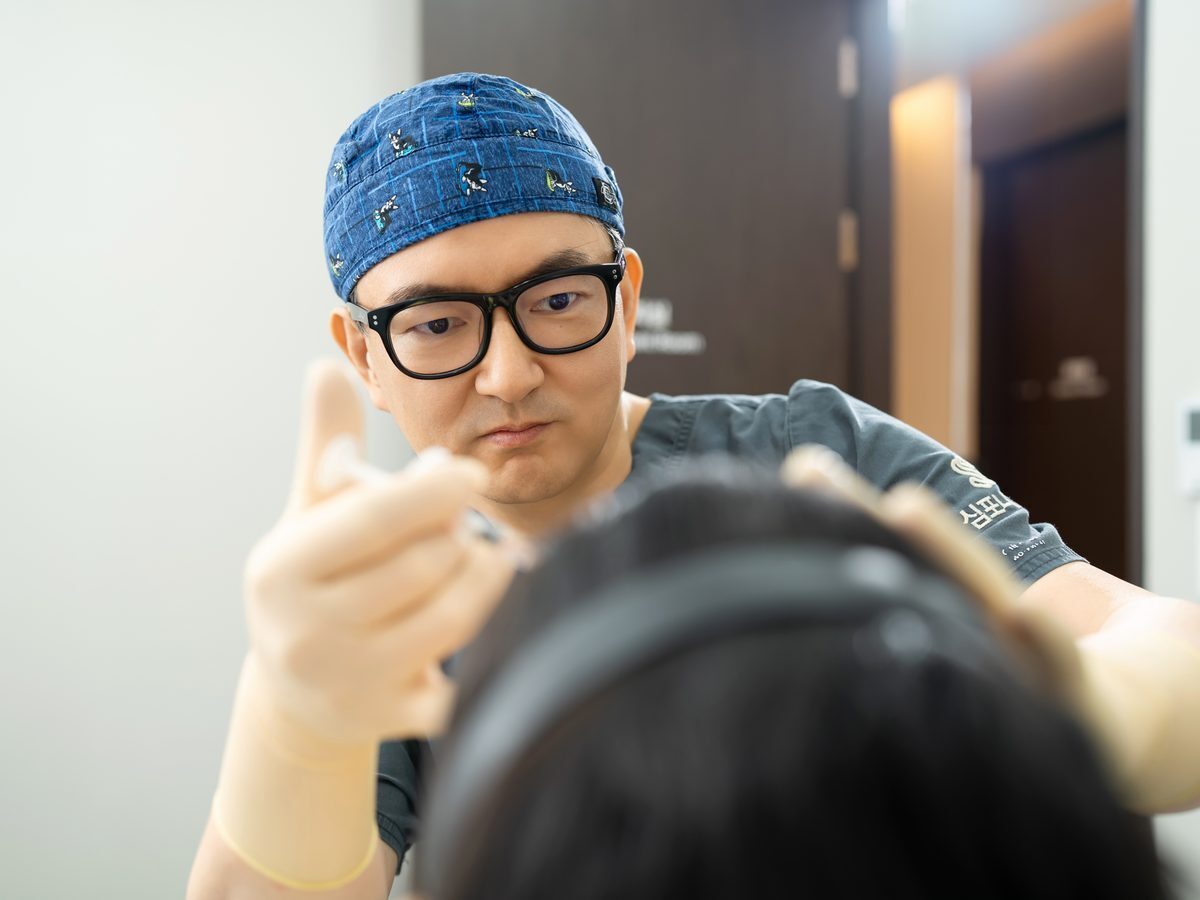
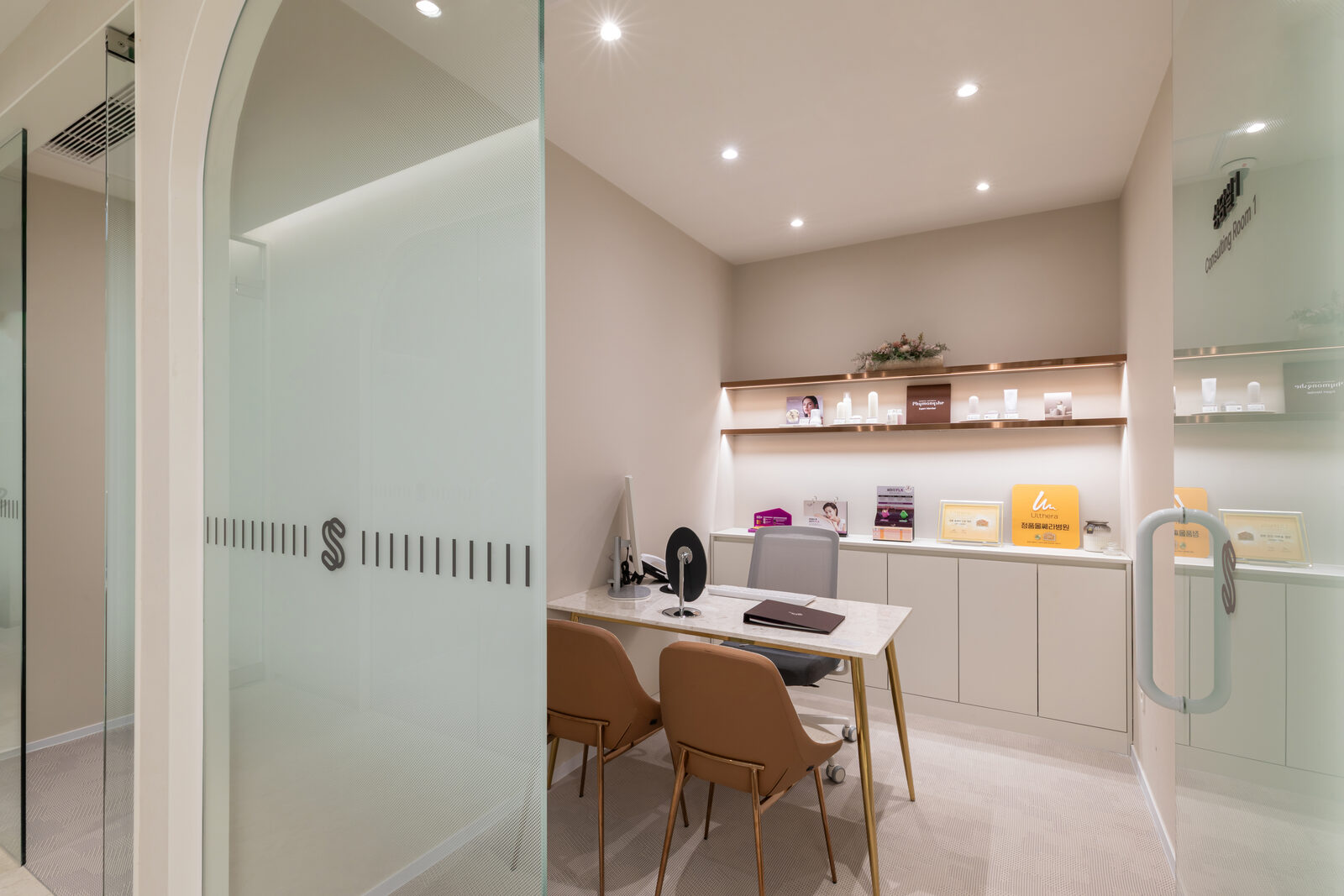
This page is general information from Symphony Skin Clinic, not a diagnosis. Results, risks and recovery differ by person. Treatment is decided after an in-person consultation with a licensed doctor. Clinic and treatment photos on this page were taken at Symphony Skin Clinic.
Keep reading
- Collagen / VolumeJuvelook in Korea: how it works, which type you need, and how many sessions to planJuvelook in Korea explained by a Seoul skin clinic: PDLLA with HA, the four types, how many sessions and when results appear. Ask questions on WhatsApp.8 min read
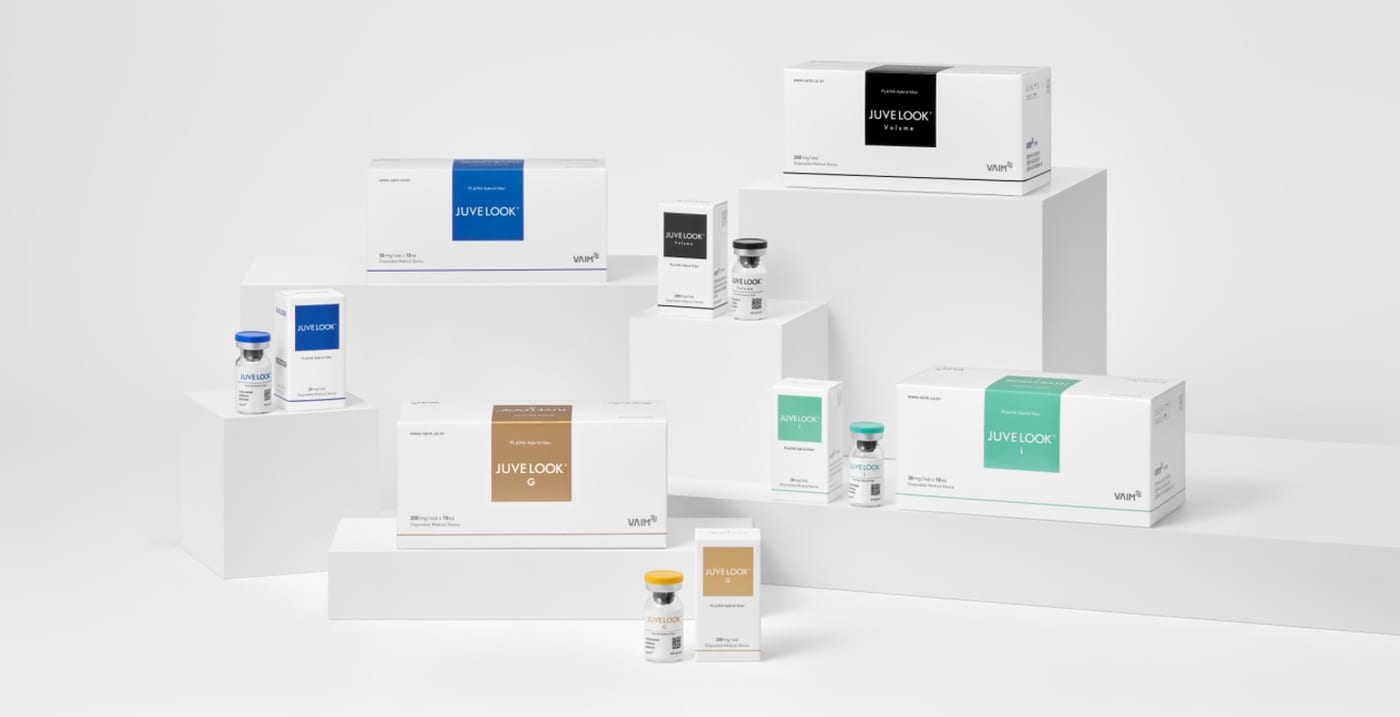
- Collagen / VolumeJuvelook Collagen Stimulator Korea: Who Should Skip It, and How It Differs From SculptraJuvelook collagen stimulator Korea: who should wait, what lumps and late reactions look like, and what sets the cost. Send a daylight photo on WhatsApp.8 min read
- InjectablesWhat a Korean dermal filler is, who it suits, and where I won't inject itWhat a Korean dermal filler is made of, which areas it suits, where I would not inject it, and what to plan for if something changes after you fly home.7 min read