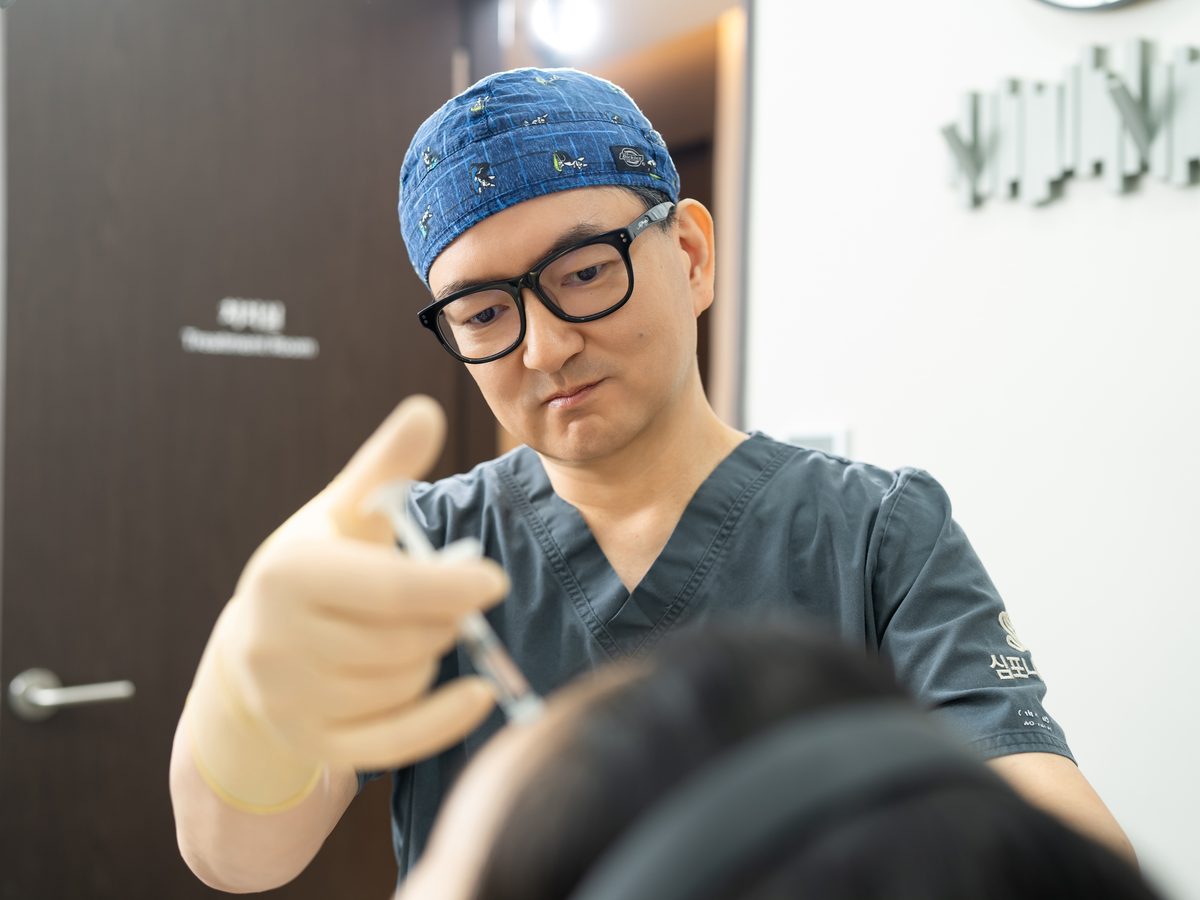
The first five days after korean plla filler, mapped onto a Seoul trip

Reviewed by Dr. Ko Dong-il, DirectorUpdated 7 min read
In short A korean plla filler session takes 10-20 minutes under numbing cream and the visible downtime is short, but the collagen it prompts builds over the following weeks, so most of the change happens after you fly home.

A korean plla filler session takes 10-20 minutes under numbing cream and the visible downtime is short, but the collagen it prompts builds slowly, so most of the change happens weeks after you've flown home. What worries most people planning it from abroad is the flight: whether swelling or a bruise will still show at the gate, and what to do if something feels wrong once they're back home. At Symphony Skin Clinic, an English, Japanese or Chinese interpreter stays with you from reception into the treatment room, so the aftercare for those first days reaches you in your own language.
Picture a short trip: land Thursday night, inject Friday, a quiet Saturday, fly Monday. On our menu the polylactic-acid option is Juvelook, and the swelling days around it, more than the session, set the length of the trip.
What is a korean plla filler, and which one do we use here?
A korean plla filler is a collagen stimulator: an injectable built on polylactic acid that prompts your own tissue to build collagen over time, instead of adding a fixed volume the way hyaluronic acid filler does. The American Society of Plastic Surgeons groups poly-L-lactic acid with the biostimulatory fillers and notes it usually takes a series of treatments.
The session takes 10-20 minutes
On the clinic's treatment sheet, Juvelook is listed at 10-20 minutes with numbing cream and a short recovery. Bookings run one patient at a time in a private treatment room, and the doctor you consult with is the one who injects.

Days 0 to 5 on a short Seoul trip
In the first days, what you notice is the injection itself. The table follows what general filler guidance describes.
| When | What is common | What it means for the trip |
|---|---|---|
| Day 0 | Raised injection marks, tenderness, mild swelling | A quiet evening near the hotel |
| Days 1-2 | Swelling often at its fullest; a bruise may darken | Fine for a café, poor timing for a photo shoot |
| Days 3-5 | Marks and swelling usually fading; a bruise can linger | Many people feel ready to fly |
| Following weeks | Collagen change starts to show | You are home; plan the next session |
Before you lock in flights, send us your arrival and departure dates on WhatsApp, plus any filler, threads or other injections you've had and roughly when. Material placed earlier changes what can go over it, and your dates show whether a quiet day fits before the flight. Tell us you'd like English, and the interpreter is on your chat from the first reply.
When can I fly home after the injection?
No single rule fixes the day you can fly after filler. The practical questions are how you'll look at the gate and whether a check in Seoul still fits before departure. The U.S. Centers for Disease Control and Prevention advises medical travellers to allow time to recover before flying home and to carry copies of their records.
For most people the concern on the plane is cosmetic: a bruise that hasn't faded, or a face that feels puffier after hours of sitting. Leaving two or three days between the session and a long-haul flight gives the early swelling room to settle, and it gives you a weekday or a Saturday in Seoul if anything needs looking at.
Keep a short note before you leave: the product name, the areas treated, the date, and the aftercare you were given. A doctor at home will ask for exactly these if you ever need a second opinion, and they are hard to reconstruct from memory three weeks later.
The tighter your trip, the more the order matters. Inject early in the trip, not on the last full day, so that the swelling days fall while you're still within reach of the clinic. A trip that ends the morning after the session is the one calendar that leaves no margin.
Why does the change show up weeks later, at home?
Polylactic acid works through your own collagen, so the visible change is gradual and keeps developing after the session. What you see in the hotel mirror on day one is mostly swelling and the hyaluronic acid carrier, and it settles before the collagen response catches up.
That slow pace is the reason people who had a filler look too full in the past ask about it. Volume that arrives in stages can be judged in stages, and a second session can be adjusted to what the first one actually did. It also means the photo you take on day two is a poor guide to the result.
For a reader worried about pillow face, this matters in a practical way. Overfilling usually comes from adding too much in one sitting; with a product that builds slowly, the decision about more volume can wait until the earlier response is visible. Our Juvelook results timeline describes what tends to change and when.
Temples, cheeks, lips, nose: where polylactic acid usually fits
Polylactic acid is generally used for broad areas where volume has thinned, such as hollow temples or flattened cheeks, more than for precise shaping. The U.S. Food and Drug Administration lists poly-L-lactic acid among approved dermal filler materials, for uses such as facial wrinkles and contour deficiencies.
Lips and the nose bridge usually call for other options, because those areas need a product that sits where it is placed on the day. If that is what you have in mind, the conversation moves to our collagen injection and filler options.
People often ask whether filler in the cheeks lifts the jowls, or whether temple filler lifts the outer brow. Restoring support higher up can soften how the lower face sits, but when loose skin is the main issue, an energy device such as Ultherapy may be discussed instead of, or alongside, volume. If the complaint is texture and fine crepey lines, a booster such as Rejuran answers a different question. Forehead lines that come from movement are usually treated with botulinum toxin.
Risks, and the signs that mean you call before boarding
The FDA lists swelling, redness, bruising, tenderness and small bumps at the injection points among the common effects of dermal fillers. With polylactic acid, small lumps under the skin (nodules) are a known possibility and can appear weeks after the session, which is one more reason to keep your records.
The rare, serious risk is product entering a blood vessel. The FDA warns this can block blood flow and lead to skin damage, vision problems and, rarely, blindness or stroke.
Get help the same day, and before any flight, if you notice:
- skin around an injection point turning pale, white, blotchy or dusky
- pain that grows over hours instead of easing
- any change in your vision
While you're in Seoul and the clinic is open, call the clinic. Outside opening hours, or once you're home, go to an emergency department and bring the product name and date.
Pregnancy, breastfeeding, an active skin infection in the area, or a history of strong reactions to injections are reasons to hold off or discuss first; the booking form asks about medicines, allergies and pregnancy. Whether polylactic acid suits your face, and how many sessions it needs, is decided at the in-person exam, and swelling and bruising differ from person to person.
How many trips should you plan for?
Plan on more than one visit if you want the full course. Polylactic-acid treatments are usually given as a series spaced weeks apart, so a single short trip often covers the first session, with the next one built into a later visit to Seoul.
That rhythm suits the slow pace of the result. You see what the first session did at home, in your own light, and arrive for the second with a clearer idea of where you want more and where you don't. The clinic is at 2F, 165 Dosan-daero in Gangnam, about a 10-minute walk from Sinsa Station (Line 3), Exit 8; the visit page has the map, and the doctors page shows who injects.
If you're weighing a korea plla filler course now, send a WhatsApp message with four photos (front, both 45-degree angles and one profile, in daylight, no make-up, beauty filter off) and the dates you have in mind. From there the conversation turns to whether one trip or two fits the plan you're hoping for, in English, or with a Japanese or Chinese interpreter if you'd rather.
Questions patients ask us
Is korea plla filler the same as hyaluronic acid filler?
No. Hyaluronic acid filler adds volume on the day it is injected. Polylactic acid prompts your own tissue to build collagen, so the change appears gradually over the following weeks. Juvelook combines PLA with hyaluronic acid.
Does a PLLA injection hurt?
Numbing cream is applied before Juvelook, and the session itself takes 10-20 minutes. Tenderness and a pinching feeling at the injection points are common during and shortly after. Most people describe the following days as sore to the touch more than painful.
Can PLLA cause pillow face?
Any filler can look overfilled if too much goes in. Because polylactic acid builds slowly over a series of sessions, the amount can be judged after each response has shown, which makes it easier to stop in time.
Can polylactic acid be dissolved if I don't like it?
Unlike hyaluronic acid filler, polylactic acid cannot be dissolved with an enzyme. The body breaks it down over time. This is one reason a staged plan, with each session judged before the next, makes sense.
Will I be able to understand the doctor during the visit?
An English, Japanese or Chinese interpreter accompanies you from reception into the treatment room. The doctor who does your consultation is also the one who performs the injection.
What should I take home from the clinic?
Note the product name, the areas treated, the date and the aftercare you were given. A doctor at home will need these if you ever want a second opinion or develop a lump weeks later.
Sources
Treatment details: Symphony Skin Clinic treatment information, checked Oct 15, 2026.
This page is general information from Symphony Skin Clinic, not a diagnosis. Results, risks and recovery differ by person. Treatment is decided after an in-person consultation with a licensed doctor. Clinic and treatment photos on this page were taken at Symphony Skin Clinic.
Keep reading
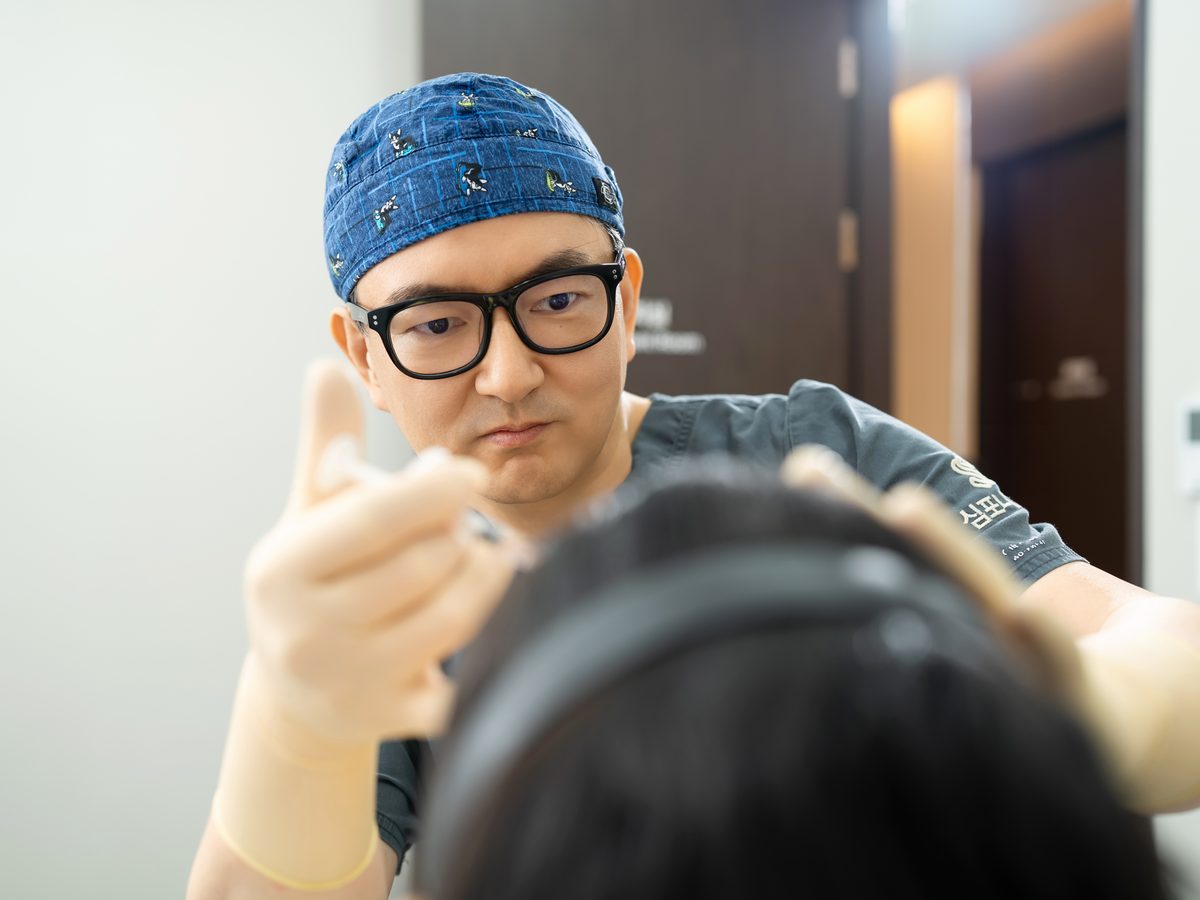
- Collagen / VolumeJuvelook before and after: what changes, when it shows, and what we will not promiseJuvelook before and after, described honestly by a Seoul clinic: what changes on the day, from six weeks and over a course, and why we do not post reviews.7 min read
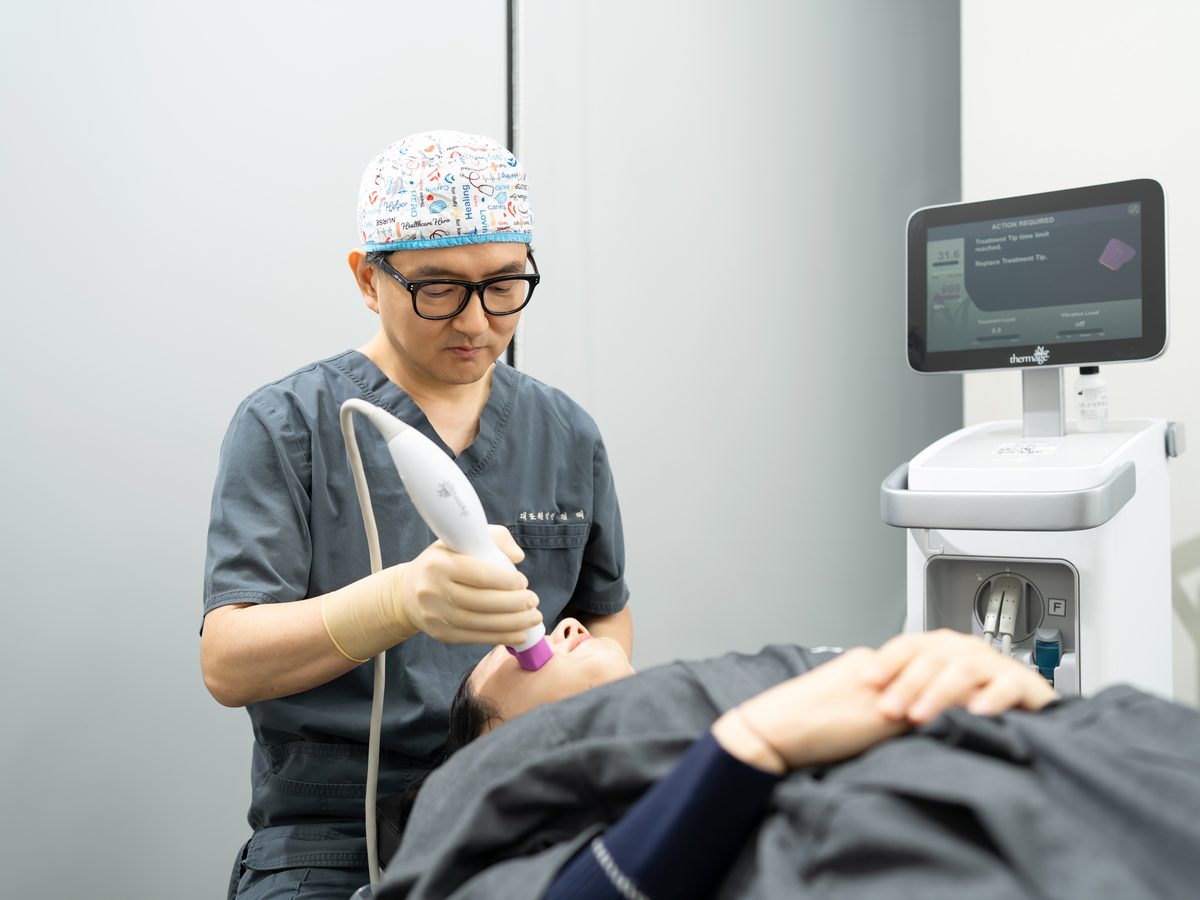
- Lifting / FirmnessUltherapy in Korea: what it actually does, how we plan it, and who it fitsWhat Ultherapy treats, how Symphony checks depth with live imaging first, and who it suits. Doctor-reviewed guide. Get a quote on WhatsApp.8 min read
- Skin BoosterRejuran in Korea: a skin treatment that is not a fillerRejuran korea explained by a Seoul clinic: what polynucleotide does, why it is not a filler, and how Rejuran, Rejuran i and Rejuran HB differ from each other.8 min read