Korean Skincare Clinic Visits: What Happens in 60 to 80 Minutes, and Whether One Session on a Short Trip Is Worth It
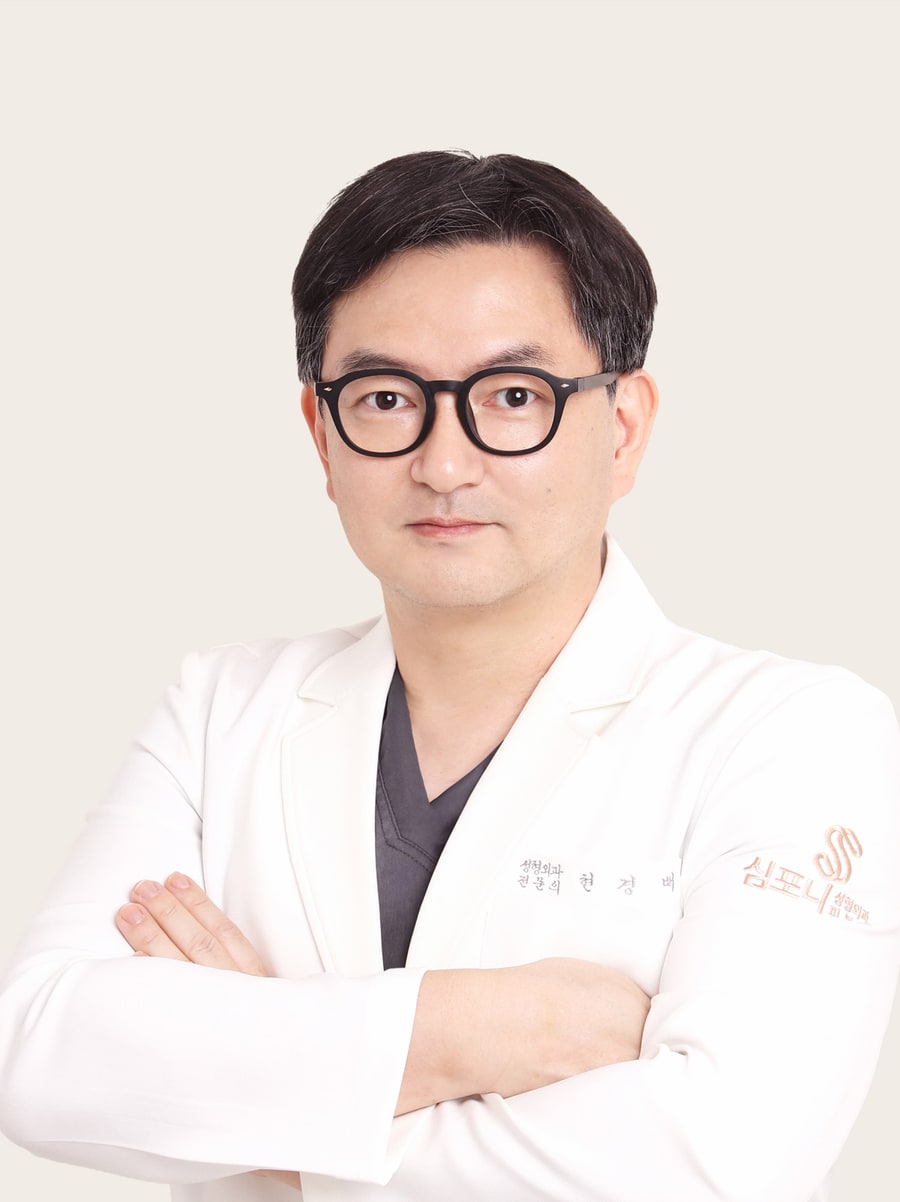
Written by Dr. Hyun Kyung-bae, Chief Director · Plastic surgeon (Korea)Updated 7 min read
In short At a Korean skincare clinic, a medical skincare session starts with a measurement of your skin, then combines steps such as extraction, ultrasound, oxygen, radiofrequency and LED in one 60 to 80 minute visit, with no numbing and no downtime.
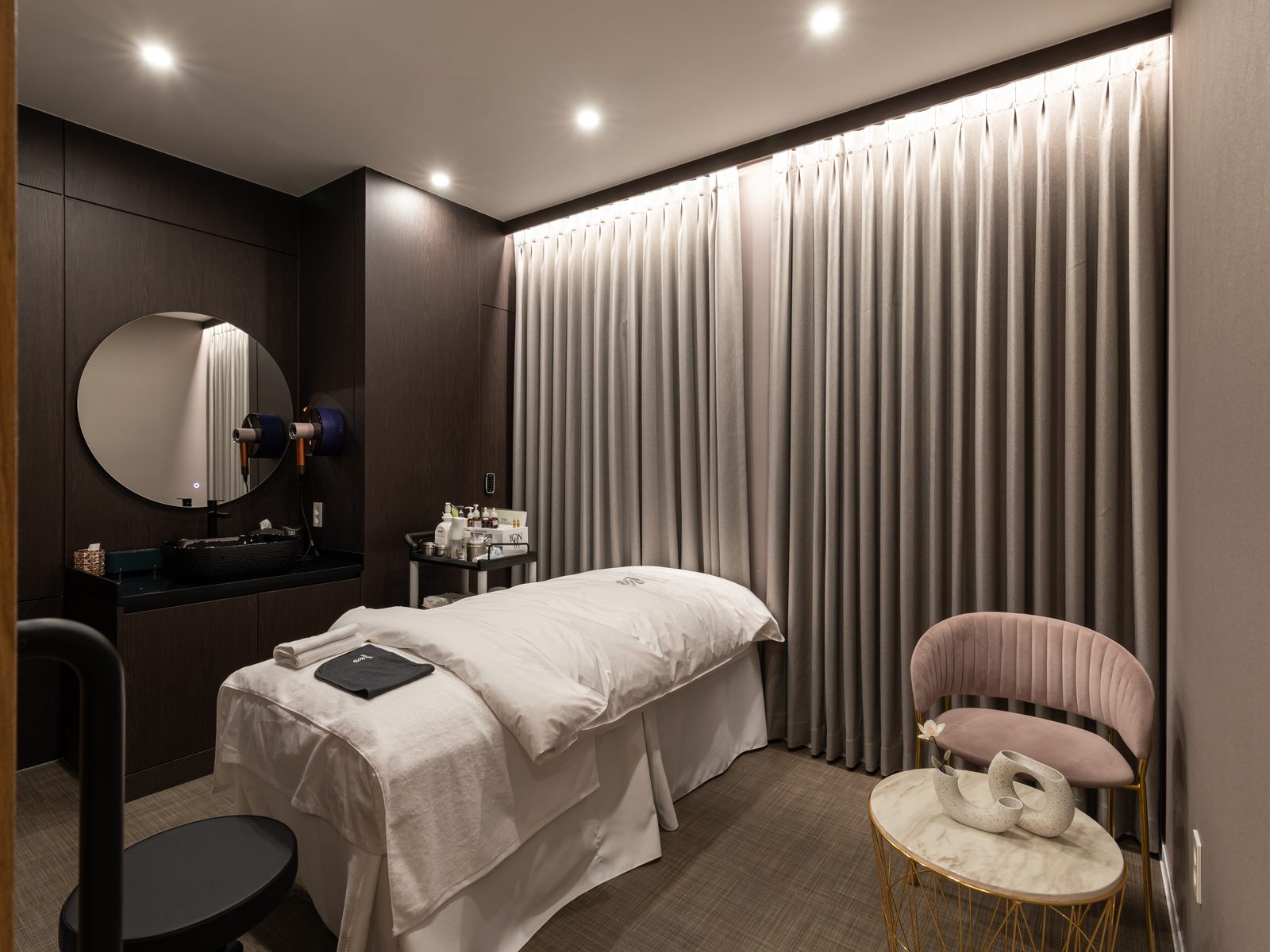
Many people picture a Korean skincare clinic as the 10-step routine done by someone else's hands. A medical skincare session starts somewhere else: a reading of your skin on an analysis device, then a program built from that reading, with two or more steps such as extraction, ultrasound, oxygen, radiofrequency and LED combined in one visit.
At Symphony that is our Medical Skincare program: 60 to 80 minutes in a private room, no numbing, and you walk out into your day. For visitors, it does a second job too. The same programs condition skin before a procedure and settle it afterward.
I'm Dr. Hyun Kyung-bae, Chief Director at Symphony in Sinsa, Seoul. A skincare session sounds like the low-stakes part of a trip, and mostly it is. Still, the order of the steps and the state your skin arrives in decide whether it helps or irritates.
What happens in a clinic skincare session?
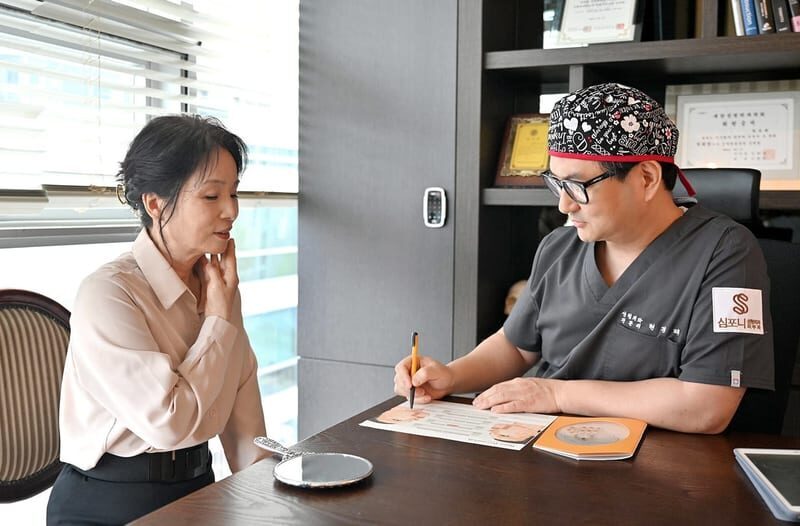
Every program follows the same frame; only the middle step changes. The skin is measured first, on a precision analysis device that looks at surface condition, moisture, pigment and pores. The clinic's medical team reads that result and chooses the program.
Then, in order:
- Cleansing and deep cleansing. Nothing that follows works properly through makeup residue and built-up keratin.
- The core step. Sebum clearing with a scrubber, RET radiofrequency, a brightening peel, an oxygen mask, or a peptide ampoule driven in with ultrasound, depending on the program.
- LED light. Infrared LED and IR wavelengths on the skin that has just been worked on, to support calming.
- Calming gel mask. The skin is held steady while it settles.
- Finishing. A second soothing mask, an oxygen ion dome or a modeling mask.
The sequence is the point. Extraction comes before oxygen, ultrasound before an ampoule, and LED at the end to calm what was just worked on.
How is that different from K-beauty products or a spa facial?
Products are bought to change how skin looks. The US Food and Drug Administration draws its line by intended use: a cosmetic cleanses, beautifies or alters appearance, while a drug is meant to treat disease or affect the structure or function of the body. Your serums sit on the cosmetic side of that line, however good they are.
A clinic session adds three things a shelf can't. The skin is measured before anything is chosen. The equipment is clinic equipment: RET radiofrequency, iontophoresis, which uses a microcurrent to carry water-soluble vitamin C into the skin, and LDM, a high-density ultrasound. And the setting runs to the clinic's hygiene protocol, with single-use sponges and personal items and sterilization equipment on site.
Extraction is the clearest example. The American Academy of Dermatology warns that squeezing at home can push contents deeper into the skin and raise inflammation, and it describes extraction with sterile instruments as the safer way to clear blackheads and whiteheads.
Which program fits which skin?
Programs are grouped by what the skin needs, not by price tier. The course names are the clinic's own.
| Program family | For | Example course |
|---|---|---|
| Sebum Clearance Care | Oil, blackheads, built-up keratin | Sebum Clear Basic, Aqua Peel Care |
| Repair & Lifting Care | Skin that has had a lot done | H-P Lifting Care, Peptide Repair Care |
| Brightening Skin Care | Dull, tired-looking skin | O₂ Derm Therapy, Vita-C |
Symphony medical skincare program families
Sebum Clear Basic clears the whole face with a second pass on the T-zone, and Sebum Clear O2 adds oxygen therapy at the end. H-P Lifting Care uses RET radiofrequency to support circulation and collagen. Epicuren Lifting Care, a mask-based protocol, is the one used after lasers and lifting.
If the real worry is oil and breakouts, calming acne before treating it explains why that order matters. If what you want is a glow, what a glass skin plan usually involves covers the booster side, which is a separate treatment from skincare.
Not sure which family fits you? Send one daylight photo of your face without makeup on WhatsApp, with a list of what you use on your skin now, including any retinoid or acid.
Is one session on a short trip worth it?
Usually one session is what a short stay allows, and it's worth it mainly as conditioning. Most short-stay visitors have a single session to prepare their skin before a procedure. The course cadence, once or twice a week, is designed for people staying longer or coming back.
Timing around a procedure:
- Before. Two to three days ahead, or on the same day, to clear the surface and steady the barrier.
- After. Usually from one week after, to support recovery while swelling and sensitivity settle.
If your main procedure is for pores, the skincare steps are already part of that plan; the Pore Program lists them with the devices. The products and order used in your session are written down for you, so what you do at home follows what was done here.
Who should skip or postpone it?
Skincare is gentle, but it isn't nothing. Extraction can leave the skin pink for a few hours, and a peel step can sting on a compromised barrier. Sensitive skin is handled by measuring first: if a program isn't right for your skin that day, it's changed.
It makes sense to wait or tell us first if:
- You have painful, deep breakouts. The AAD notes these cysts and nodules need different care from extraction.
- You're sunburned, or your barrier is raw from a new active product.
- Eczema or rosacea is flaring right now.
- You've just had a laser or lifting treatment. Care after a procedure usually starts from one week after, and whether anything can follow on the same day depends on what was done.
A changing mole, spreading rash or persistent redness belongs with a dermatologist first; how to check whether you need a medical dermatologist sorts that out.
Fitting a skincare session into your Seoul days
A session takes 60 to 80 minutes depending on the program, with no anesthesia, and you can go straight back to your day. If you're also having a procedure, book the skincare 2 to 3 days before or on the same day ahead of it.
For a sense of how a treatment day flows around the neighbourhood, a skin treatment day from Sinsa Station to Garosu-gil walks through one. We're open weekdays 10:00 to 19:00 and Saturdays 10:00 to 17:00, and closed on Sundays and Korean public holidays. Directions from Sinsa Station Exit 8 are on our location page. An interpreter is with you from reception to the treatment room.
On WhatsApp, send a daylight photo of your face, the products you use now, and the dates you'll be in Seoul. On the day, the analysis reading comes first, because moisture and oil levels decide which core step your skin can take.
Questions patients ask us
Can I wear makeup after a clinic skincare session?
There's no downtime listed for medical skincare, and you return to your day straight after. If extraction or a peel step was part of your session, ask before you leave whether to give the skin a few hours first.
Who performs the session?
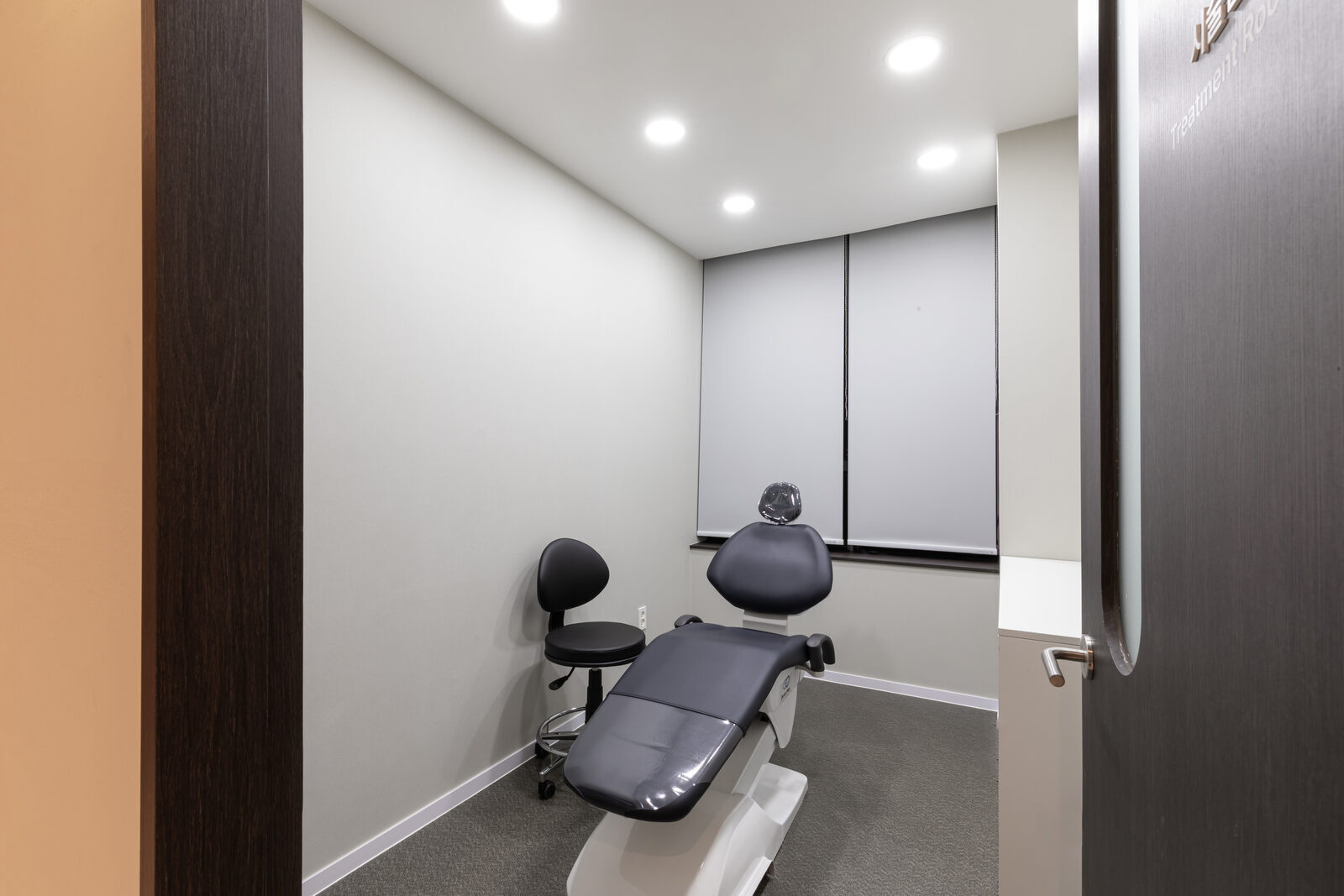
The skin is analysed and the program is chosen by the medical team. The session itself is carried out by the clinic's trained skincare staff in a private single-treatment room, following the clinic's hygiene protocol.
Is a clinic skincare session the same as a skin booster?
No. Medical skincare works on the surface and upper skin with devices, masks and ampoules. A skin booster is an injected treatment chosen by the doctor, and it's planned separately.
My skin is very sensitive. Will it react?
Sensitive skin is measured first and the program is chosen from that reading, with low-irritant professional lines. If a program isn't suitable on the day, it's changed.
Do I need to bring my own products?
No. It helps to bring a photo or list of what you use at home, so the session and your routine afterward don't work against each other.
Sources
- Is It a Cosmetic, a Drug, or Both? (U.S. Food and Drug Administration)
- Pimple popping: Why only a dermatologist should do it (American Academy of Dermatology)
Treatment details: Symphony Skin Clinic treatment information, checked Nov 12, 2026.
This page is general information from Symphony Skin Clinic, not a diagnosis. Results, risks and recovery differ by person. Treatment is decided after an in-person consultation with a licensed doctor. Clinic and treatment photos on this page were taken at Symphony Skin Clinic.
Keep reading
- D:Aging / CareAcne Treatment in Seoul: Calm the Breakout First, Then TreatKorean with acne care works best when inflammation is calmed first. Appointment only in Sinsa, Gangnam; send a daylight photo on WhatsApp to start.7 min read
- Scar / Stretch MarkKorea Glass Skin Treatment: Usually a Booster Plan Chosen by What Your Skin LacksA Korea glass skin treatment is usually a booster plan, not one facial. A Seoul doctor explains how it works, who it suits after 40 and what to send.7 min read
- D:Aging / CareMedical Dermatologist in Seoul? Not Every Skin Clinic Is One, and How to Check Who IsMedical dermatologist Seoul: for a changing mole or eczema, see a board-certified dermatologist. How to check, and what a skin clinic is for.8 min read