Planning korean fillers around a Seoul trip: the order that works, from first photo to flight home

Written by Dr. Hyun Kyung-bae, Chief Director · Plastic surgeon (Korea) · Reviewed by Dr. Ko Dong-il, DirectorUpdated 7 min read
In short Korean fillers take 10 to 20 minutes in the chair; the planning is about the days around them. Where to place the injection in your trip so the first swelling settles before your flight home.

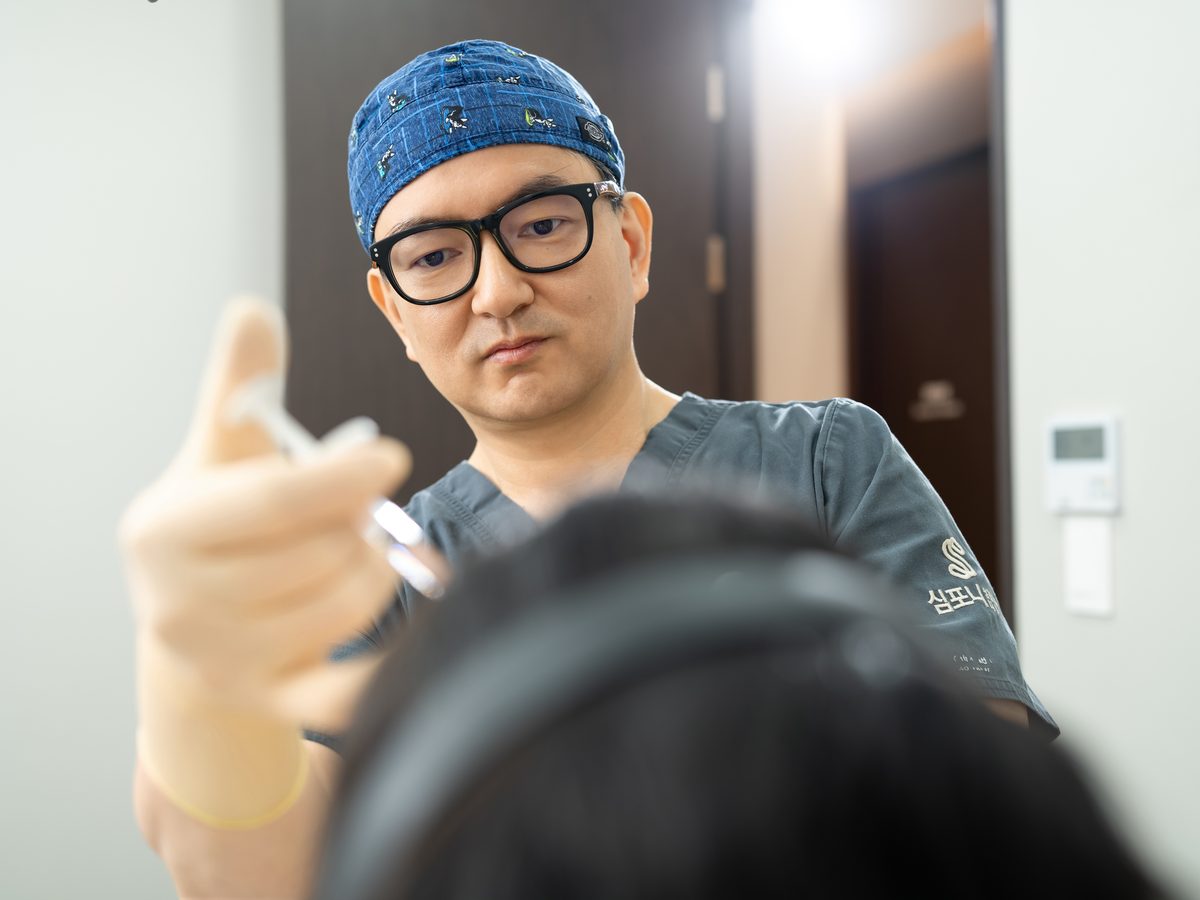
Korean fillers are injectable gels, most often hyaluronic acid, placed under the skin to restore volume in the lips, cheeks, nose bridge or deep folds, and at Symphony the filler treatment itself takes 10 to 20 minutes with a numbing cream. If you're flying in for a short stay, those minutes aren't the worry: you want to know whether you'll still be swollen or bruised when you board the flight home. The doctor who talks your plan through with you is the same doctor who injects, so the person deciding how much to place is the person who heard when you're leaving.
That swelling question has a workable answer. It turns mostly on two things you can plan before you book a flight: which area is treated, and where in your trip the appointment sits.
What are korean fillers made of?
Most korean fillers are hyaluronic acid gels, the same class of material used in the US, the UK and Australia. Korea makes several hyaluronic acid brands of its own and Seoul clinics also use imported ones, so 'Korean' mostly describes where you have it done rather than a different substance.
The American Society of Plastic Surgeons sorts fillers by material: hyaluronic acid, calcium hydroxylapatite, poly-L-lactic acid and a few longer-lasting synthetic types. On our menu, Radiesse is a calcium hydroxylapatite product and Juvelook builds collagen gradually. Whatever goes in, ask for the product name and the amount and keep them with your travel documents.
Is it volume you're missing, or something else?
Filler replaces volume. It doesn't tighten loose skin, smooth a crepey surface or stop lines that come from muscle movement.
If a filler wouldn't change what you came in for, we tell you so. Frown and squint lines respond to botulinum toxin for movement lines rather than a gel. Thin, tired-looking skin is closer to what Rejuran, a skin treatment that is not a filler, or an exosome treatment is used for. If you're torn between an instant gel and slower collagen building, choosing between Juvelook and Juvelook Volume sets out that decision.
How many days in Seoul should you plan around filler?
There's no single number that fits every face, but the pattern is predictable enough to plan with. For many people, swelling after hyaluronic acid filler is most visible over the first two or three days, and lips usually swell more than cheeks or the nose. A bruise, if one appears, can take around a week to fade. The US Food and Drug Administration lists bruising, redness, swelling and tenderness among the common side effects of dermal fillers.
Risks and side effects to know
So put the filler near the start of your stay, not on your last full day. A few days between the injection and the flight let the first swelling settle while you're still in Seoul, and you judge the result in your hotel mirror rather than in an airport bathroom.
If you're setting dates now, send a front photo and both 45° angles taken in daylight with the beauty filter switched off, together with your arrival and departure dates, on WhatsApp. Then ask the one thing your plan hinges on: which day of the trip the filler should go on.
The order I'd put your trip in
Start with the calendar, because our hours shape everything else. We're open weekdays from 10:00 to 19:00 and Saturdays from 10:00 to 17:00, and closed on Sundays and Korean public holidays. If you land on a Saturday evening, Monday is your first realistic appointment. Check the Korean holiday calendar before you book flights, because a public holiday in the middle of your week takes that day out.
The clinic is on the second floor of the Sinsa Hill Building, 165 Dosan-daero in Gangnam, about a 10-minute walk from Exit 8 of Sinsa Station on Line 3. A hotel with a direct route makes the appointment morning easier, and the walk back too, when you may prefer a hat and no makeup over the injection points.
Consultation comes first, needle second. A photo you send before the trip gives a direction, not a final plan. How a face moves when you talk and how the skin sits over the bone only show up properly in the room. Bring a note of anything you've had injected before: material placed earlier changes what can be done over it, so roughly what, where and when is worth writing down before you fly.
On the injection day, the treatment is short, which leaves most of the day open. Don't fill it with things that work against you. Most doctors suggest skipping hard exercise, saunas and alcohol for the first day or two, and not pressing or massaging the area unless you've been told to. A slow walk around Garosu-gil is fine; an afternoon at a hot spa is not.
The next few days are for the city. Swelling usually peaks early and then settles, so watch the area in daylight each morning.
If loose skin along the jaw is part of what bothers you, energy-based lifting works on a different layer from filler. You can read what Ultherapy actually does, how to choose a Sofwave clinic and what Thermage changes, and when, and the Ultherapy FAQ on side effects lists what that treatment adds to recovery. Whether to combine any of them with filler on one trip, and in which order, comes down to which layer the problem sits in.
Leave your last full day free of anything medical. Pack, walk, and take a few photos of the treated area in daylight, so a doctor at home has something to compare against if they ever need to.
What can go wrong after you fly home?
Most of what happens after filler is minor and shows up early: bruising, redness, swelling, tenderness, and sometimes small lumps you can feel under the skin. Lumps in hyaluronic acid filler often soften over the following weeks. If one doesn't, a doctor can assess it and, because it is hyaluronic acid, can often dissolve it.
The rare problem that matters is filler entering or pressing on a blood vessel. That can cut off blood supply to the skin and, rarely, affect vision; the FDA warns about both. The nose and the area between the brows are where doctors take the most care, because of the vessels that run there. That matters if nose filler is on your list.
Know the warning signs before you travel: skin near the injection site turning pale, white or blotchy purple, pain that is getting worse rather than better, or any change in your sight. Any of those, on any day, means going to an emergency department straight away. Don't message and wait for a reply.
Infection and delayed swelling can appear days or weeks later, which is why the plan for home matters as much as the plan for Seoul. The US Centers for Disease Control and Prevention advises medical travelers to arrange follow-up care at home before they leave and to carry copies of their records. For filler, that means having the product name, the amount and the areas treated written down, and knowing which local doctor or dermatologist you would see.
How much you swell, and how the result settles, vary from person to person, and whether filler suits your face at all is decided at the in-person exam.
Who will be in the room with you
Seeing a doctor in a country where you don't speak the language is a real worry, so here is what's fixed. We work on a 1:1 reservation basis: one patient at a time, in a private treatment room. An interpreter stays with you from reception to the treatment room, in English, Japanese or Chinese.
The doctor who consults you is the doctor who treats you. The consultation isn't run by a sales counsellor, and the injection isn't handed to someone else afterwards. I'm one of four physicians at Symphony and a member of the Korean society of fillers; our chief director, Dr. Hyun Kyung-bae, has been at Symphony for 17 years.
With fillers, restraint matters more than the product. A syringe can be bought anywhere. What takes years is judging which layer to treat, how much to place, and when to leave a face alone, and that judgment is easier to make when the injecting doctor knows your flight is on Thursday.
Before you message us, write down what you've had injected before and roughly when, plus any medicines you take regularly and any allergies, and send that list on WhatsApp. Add the question your trip turns on, such as how many quiet days to leave between the filler and your flight.
Questions patients ask us
Can I fly the day after lip filler?
Flying isn't known to damage hyaluronic acid filler, but lips are the area that usually swells most in the first days, and a long flight is an uncomfortable place to discover a bruise. If you can, leave a few days between the injection and the flight so the first swelling settles while you're still in Seoul.
Are Korean filler brands different from the ones at home?
Most are hyaluronic acid gels, the same class of material sold in other countries, though the brand names may be unfamiliar to your doctor at home. Ask for the exact product name and amount after treatment and keep them with your records.
Can nose filler replace a nose job?
Filler can raise or straighten the line of the bridge, but it only adds volume; it cannot make a nose smaller or narrower. The nose also has vessels that call for extra care, which is worth talking through in the consultation before you commit.
I already have filler from a clinic at home. Does that matter?
Yes. Material placed earlier changes what can be done over it, so note roughly what was used, where and when, including any threads, lasers or surgery, and bring that note to the consultation.
Can hyaluronic acid filler be dissolved if I don't like it?
Hyaluronic acid filler can usually be broken down with an enzyme called hyaluronidase, which a doctor injects. Calcium hydroxylapatite and collagen-stimulating products don't dissolve that way, which is one more reason to know exactly which product you received.
Do I need to speak Korean for a filler appointment?
No. An interpreter accompanies you from reception to the treatment room in English, Japanese or Chinese.
Sources
Treatment details: Symphony Skin Clinic treatment information, checked Oct 21, 2026.
This page is general information from Symphony Skin Clinic, not a diagnosis. Results, risks and recovery differ by person. Treatment is decided after an in-person consultation with a licensed doctor. Clinic and treatment photos on this page were taken at Symphony Skin Clinic.
Keep reading
- InjectablesBotox in Korea: the vial is the same everywhere, the plan is notBotox in korea explained by a Seoul clinic: how muscle botox and skin botox differ, what jaw and calf treatment involves, and what to check before you book.8 min read
- Skin BoosterRejuran in Korea: a skin treatment that is not a fillerRejuran korea explained by a Seoul clinic: what polynucleotide does, why it is not a filler, and how Rejuran, Rejuran i and Rejuran HB differ from each other.8 min read
- Skin BoosterExosome treatment in Korea: what it is, how we deliver it, and who it suitsWhat exosome treatment in Korea is, how a doctor sets the units and delivery route, who it suits and what recovery looks like. Doctor-reviewed guide from Seoul.7 min read