
Dr Korea PDRN reviews leave out five questions you can ask in Seoul

Written by Dr. Hyun Kyung-bae, Chief Director · Plastic surgeon (Korea) · Reviewed by Dr. Kang Eun-joo, DirectorUpdated 7 min read
In short Dr Korea PDRN reviews rarely say which product, depth or doctor was involved. These five consultation questions show what you would actually be getting in Seoul.

Dr Korea PDRN reviews tend to describe a feeling, plumper or less flaky skin a few weeks later, without saying which product went in, how deep, or who held the needle. That gap is why two people can review the “same” treatment and disagree. If you are reading them with dry, slightly crepey cheeks in mind and a quiet fear of being talked into extras in a language you don't follow, bring five questions to the consultation instead. On our menu, the salmon-DNA injection is Rejuran Healer, and an interpreter stays with you from reception to the treatment room in English, Japanese or Chinese.
The doctor who talks your plan through is the one who performs it. Most of what makes these injections work or disappoint is decided in the minutes before the needle, so that matters more than the brand.
What are most PDRN reviews actually describing?
Usually one of three things, and the reviews rarely say which. PDRN (polydeoxyribonucleotide) is short fragments of DNA, mostly taken from salmon or trout. PN (polynucleotide) comes from the same source but keeps much longer chains, so it is thicker in the syringe. A review in Pharmaceutics comparing the two describes PDRN acting mainly as a repair signal through the adenosine A2A receptor, while PN's longer chains also hold water and act as a scaffold in the dermis.
The third thing is a cream, serum or ampoule with PDRN on the label.
A Korean pharmacy cream and an injection reach different depths
Korean pharmacy PDRN products are popular to bring home, and many are pleasant moisturizers. What they do inside the skin is a separate question. A widely cited paper in Experimental Dermatology set out the “500 Dalton rule”: molecules much heavier than about 500 Da pass through intact skin poorly, and DNA fragments are far heavier than that.
So I judge a cream as a cream. Liking one for months tells you little about how a PDRN injection in Korea would suit you.
Question one: which product is going in, and is it PDRN or PN?
Ask for the product name and whether it is PDRN or PN. The answer tells you whether the reviews you've read even describe what you would be getting. Rejuran Healer is a PN product; our booster menu also includes exosome and a custom booster mixed for your skin on the day. How Rejuran works in the skin, and why it is not a filler, has its own post.
If you can't tell which of the three your reviews were about, send one daylight photo of the area on WhatsApp, without make-up or filters, with the single question you want answered first. A photo gives a direction, not a final plan, and it is enough to start.
Question two: who examines my skin, and who injects it?
In short, this one sounds administrative, and it decides more than the brand. With a skin booster, the choices that matter happen in the room: how deep the needle sits, how far apart the points are, where to stop near the thin skin under the eyes. When the person who examines you hands the injecting to someone else, those choices pass through a second pair of hands.
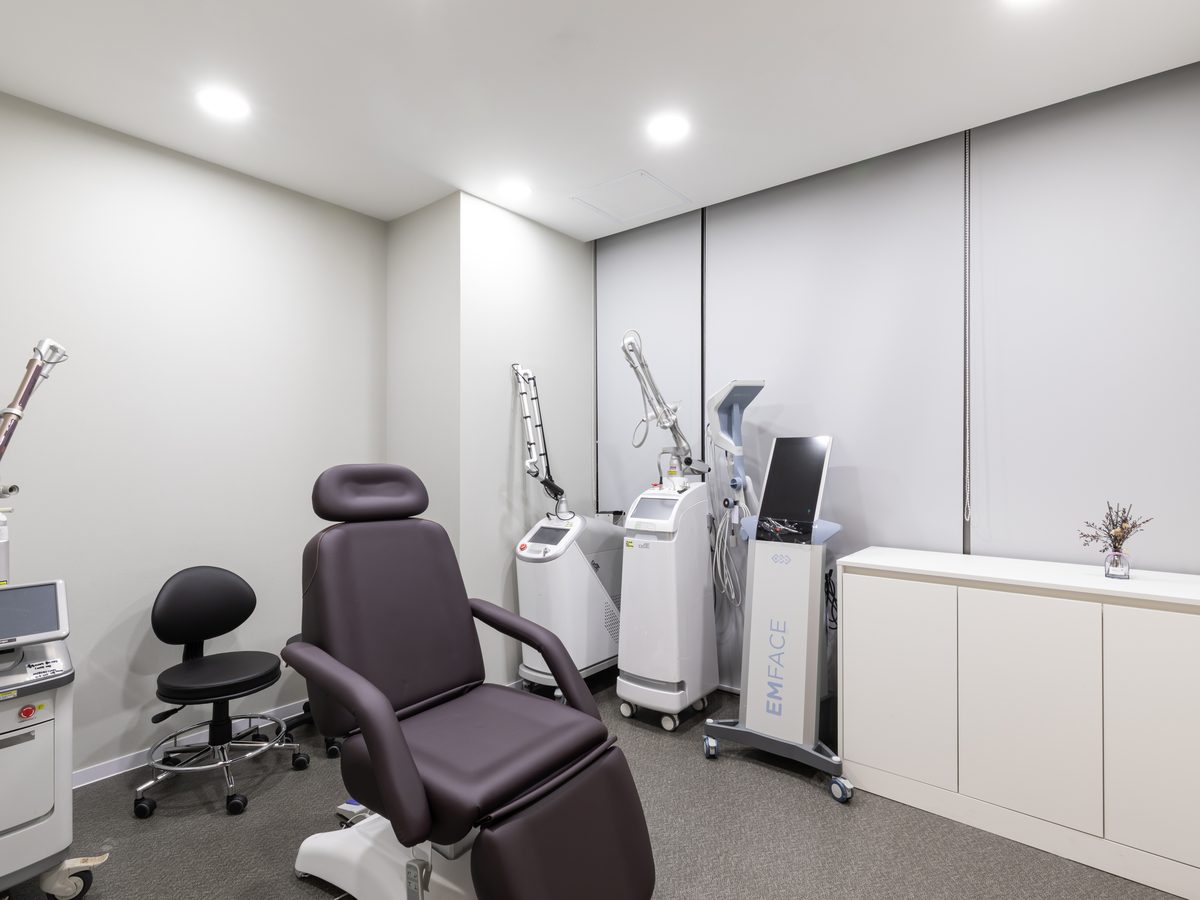
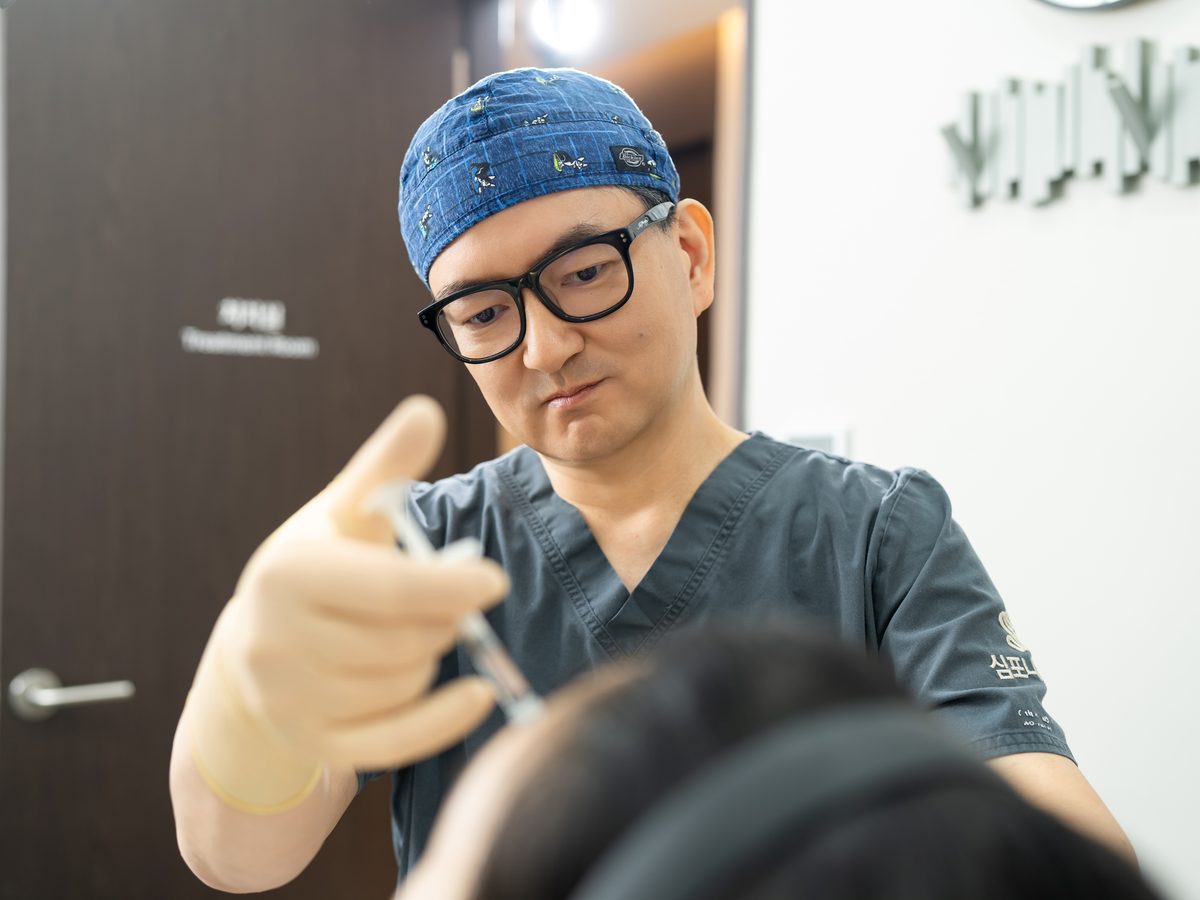
At Symphony, the person who talks through your plan is the person who carries it out. The consultation isn't run by a sales counsellor, and the treatment isn't handed to an aesthetician afterwards. Appointments are one patient at a time, in a private room, and the interpreter is with you in the treatment room too, so you can ask “is that the last pass?” while you are still lying down.
Wherever you book, listen for how the answer is shaped. If one person designs the plan and another injects, ask who adjusts it if your skin reacts halfway through. The same logic runs through the questions we suggest for choosing a Sofwave clinic: find out who decides and who does the work, then compare.
Question three: what will this not fix for me?
For dry skin, the evidence points to modest gains in hydration and texture over a course of sessions. A systematic review of polynucleotides in the Journal of Cosmetic Dermatology found the studies mostly reported better skin quality with mild, short-lived side effects, while noting they were small and varied in design. That is encouraging, and it is also a reason to keep expectations sized to the evidence.
Dryness also has causes an injection can't reach: a barrier stripped by strong actives, winter air, a long-haul flight. Flaking around the nose and brows that comes with redness is worth examining as its own problem before anyone adds a booster.
What these injections don't do is lift. If a jowl or a softening jawline is what bothers you, the cause sits deeper: at the SMAS layer that Ultherapy PRIME reaches with focused ultrasound, or in the mid dermis where Sofwave works at 1.5 mm. Lines that deepen when you frown come from muscle movement, which is a job for a botulinum toxin plan. White or red stretch marks follow their own logic, which our stretch mark guide sorts by phase.
Question four: the injection day and the week after
Ask what you will look like walking out, and what counts as normal by the time you board your flight home. The answer should cover the first evening and the first few days, in plain terms.
Risks and side effects to know
PN and PDRN are usually given as many small, shallow injections across the area. The common effects are stinging during the injections, small raised bumps along the injection points, redness and some swelling; for many people the bumps flatten within a day or so. Bruising is possible, more so if you take blood thinners or supplements that affect bleeding, so mention those.
Less often, a bump stays firm for longer, or the skin reacts around a point. Infection is rare and needs a doctor's attention. Because these products come from fish DNA, tell the doctor about any fish allergy. If you are pregnant or breastfeeding, have an active breakout or infection in the area, or a flare of an autoimmune skin condition, it is usually wiser to wait. How your skin responds and how fast it settles varies from person to person, and the in-person exam decides whether it suits you.
The U.S. CDC's medical tourism guidance advises arranging follow-up care at home before you travel and keeping a record of what was done. For a booster, write down the product name, the area and the date, so a doctor at home knows what they are looking at. If you are pairing a booster with a lifting device on the same trip, our Ultherapy side-effect FAQ covers that half.
Question five: the whole plan, before anything starts
Ask to hear the full plan before the first injection: how many sessions, how far apart, and what each one is for. With us, you hear the whole plan before the first session starts. We don't treat by a fixed manual, so two people asking for “PDRN” can leave with different plans.
Published PN protocols usually describe several sessions spaced weeks apart, which matters when you are flying in. If you can only come once, say so at the start. A single session is a different conversation, and you want to have it before you book flights.
Picture the day itself with one fixed point: the consultation, with the interpreter beside you. Ask whether treatment can follow the same day, and keep that evening light, since the bumps from the injection points are often visible for some hours. We are open weekdays from 10:00 to 19:00 and Saturdays from 10:00 to 17:00, and closed Sundays and Korean public holidays, including the days around Lunar New Year and Chuseok. The clinic is about a 10-minute walk from Exit 8 of Sinsa Station on Line 3; the address and map are on Symphony Dermatology's English site.
When you go back to Dr Korea PDRN reviews after a consultation, read them for three details: which product, which concern, and who injected. A review that names all three is worth your attention.
When you have dates in mind, send them on WhatsApp with a photo of the area and the one question from this list that worries you most, whether that is the product name or who will be holding the needle.
Questions patients ask us
Can I fly home the day after a PN or PDRN injection?
For most people, yes. Keep the product name and date with you in case you need to see a doctor at home, and leave a spare day before the flight if you can.
Does a skin booster injection hurt?
It stings, because the product goes in through many shallow points. Ask at booking how numbing is handled and how long the session runs, so you can plan the rest of the day.
Is PDRN the same as salmon DNA?
Broadly, yes. PDRN and PN are purified DNA fragments, usually from salmon or trout. The difference is chain length, which changes how thick the product is and how it behaves in the dermis.
How many sessions does a PDRN skin booster in Korea usually take?
Published protocols usually describe a series of sessions spaced weeks apart rather than a single visit. How many you would need depends on your skin and what you want to change, and that is set when the doctor examines you in person.
Should I buy PDRN creams at a Korean pharmacy instead?
Buy them if you like them as moisturizers. They work on the surface, so they are a different product from an injection, and your experience with one doesn't predict the other.
Will someone translate during the treatment itself?
Yes. An interpreter stays with you from reception to the treatment room, in English, Japanese or Chinese.
Sources
- Comparison of Polynucleotide and Polydeoxyribonucleotide in Dermatology: Molecular Mechanisms and Clinical Perspectives
- The Effectiveness of Polynucleotides in Esthetic Medicine: A Systematic Review
- The 500 Dalton rule for the skin penetration of chemical compounds and drugs
- Medical Tourism
Treatment details: Symphony Skin Clinic treatment information, checked Oct 22, 2026.
This page is general information from Symphony Skin Clinic, not a diagnosis. Results, risks and recovery differ by person. Treatment is decided after an in-person consultation with a licensed doctor. Clinic and treatment photos on this page were taken at Symphony Skin Clinic.
Keep reading
- Lifting / FirmnessUltherapy before and after in Korea: a realistic timeline, and why we do not post reviewsA realistic timeline for Ultherapy results in Korea: what happens on the day, how change builds over months, and why we do not publish patient reviews.6 min read
- Skin BoosterRejuran in Korea: a skin treatment that is not a fillerRejuran korea explained by a Seoul clinic: what polynucleotide does, why it is not a filler, and how Rejuran, Rejuran i and Rejuran HB differ from each other.8 min read
- Lifting / FirmnessChoosing a Sofwave clinic in Korea: the right device first, then the right questionsChoosing a Sofwave clinic in Korea starts with the right device. How Sofwave, Ultherapy and Thermage divide the work, and what to ask before you book.7 min read