
Thermage Side Effects Gone Wrong: Mostly a Settings and Fit Problem

Written by Dr. Hyun Kyung-bae, Chief Director · Plastic surgeon (Korea) · Reviewed by Dr. Ko Dong-il, DirectorUpdated 9 min read
In short When Thermage goes wrong, it's usually a burn, a blister or a small dent from thinned fat. All are uncommon and mostly tied to heat settings and a face that wasn't a good fit. A day or two of redness is normal.

"If Thermage goes wrong on my face, does it settle by itself, or do I live with it?" People ask this about the treatment more than almost anything else. Under it there's often a quieter thought: the gone wrong Thermage side effects you've read about happened to people who trusted a clinic too, so why would your trip to Seoul turn out any differently?
Most of what gets called Thermage gone wrong is one of two things: redness and swelling that fade within a day or two, or a change smaller than hoped. The real complications are a burn, a blister, or a small dent where the fat under the skin has thinned. They're uncommon, and they usually trace back to how much heat went into which area, on a face that did or didn't suit Thermage FLX.
Hello, I'm Dr. Hyun Kyung-bae, Chief Director at Symphony in Sinsa, Seoul. I'm a board-certified plastic surgeon and have practiced at Symphony for seventeen years. That matters for this question because avoiding a bad result is mostly a matter of judgment: which layer to heat, how much, and when to leave skin alone.
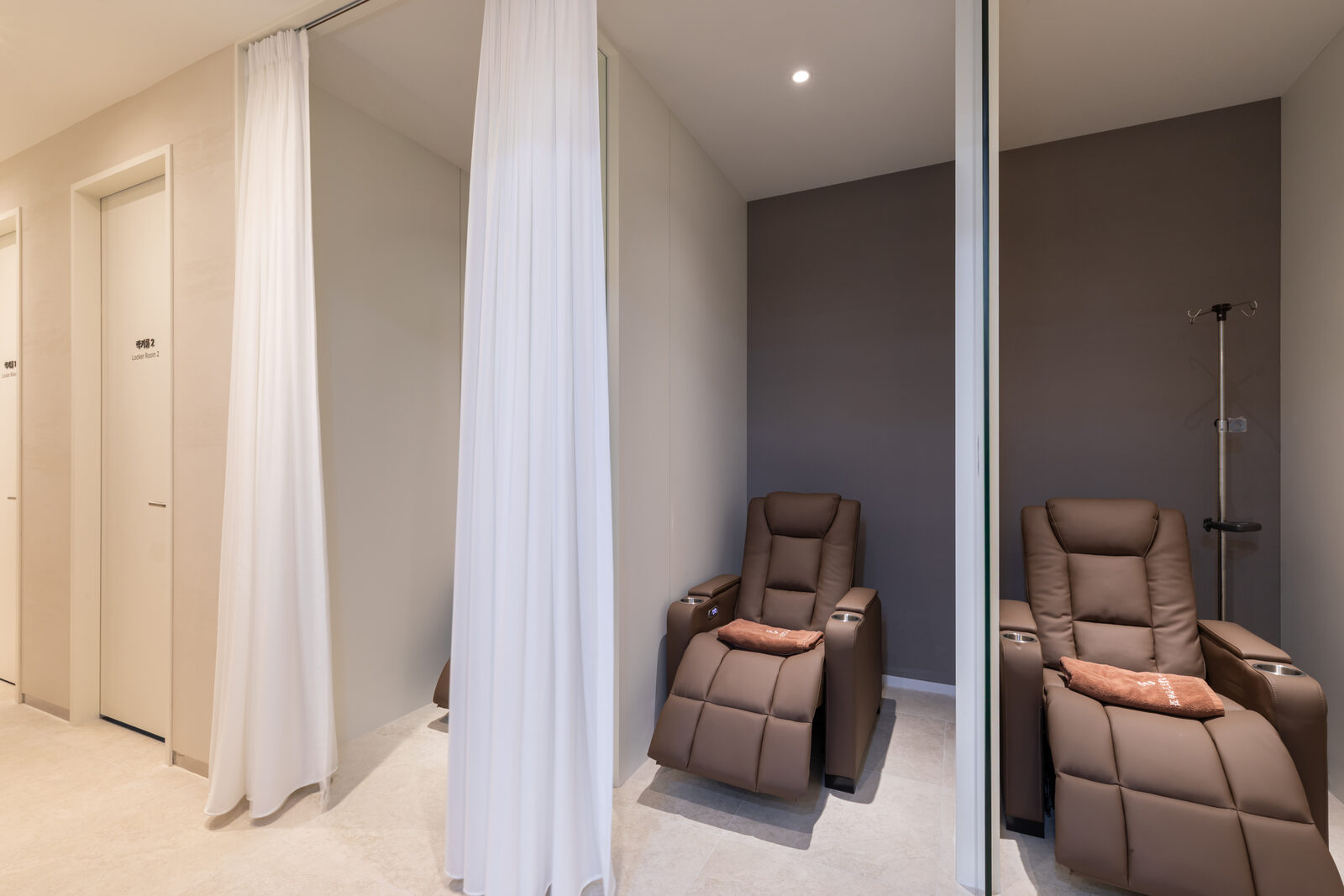
At Symphony, skin type, thickness and condition are assessed before any energy level or tip is chosen, and the doctor who plans your treatment is the one who performs it. Treatment is one patient at a time in a private room. A medical interpreter stays with you from reception to the treatment room at no extra charge, so if a pulse feels too hot, you can say so and be understood right away.
If you're still deciding, send a daylight photo of your face from the front and the side on WhatsApp. Note any filler or threads you've had and the year, and ask whether your face has enough padding for Thermage.
The reactions that are normal, and how long they last
For most people, Thermage leaves the skin pink and a little puffy for a few hours, sometimes into the next day. The treated area can feel tender, like a mild sunburn, for a day or two. Some people see faint raised marks in a grid where the tip sat, and these usually flatten within a day.
None of that means anything went wrong. Monopolar radiofrequency heats the deeper skin (the dermis and the fibrous bands under it) while the surface is cooled. A little inflammation is how that heat turns into new collagen over the following months. That's also why there's little to see on day one. The change usually builds over two to six months, which is worth remembering before you judge your face in an airport mirror.
Burns, blisters and dents: what goes wrong and why
The complications behind the frightening stories fall into three groups.
- Burns and blisters. A patch of skin took more heat than its surface could shed. These are usually superficial and tend to crust and heal over one to three weeks. The longer nuisance can be a brown mark afterwards (post-inflammatory hyperpigmentation). It's more common in skin that tans easily and typically fades over months with strict sun protection.
- Dents or hollowing. Heat that reaches the fat layer can thin it in a small spot. This is rare, and more likely where there's little fat to begin with (temples, lean lower cheeks) and at high energy. Some dents soften over months. Others need the lost volume replaced, often with filler.
- Odd sensations. Numbness, tingling or sensitivity over a nerve, usually temporary and settling over days to weeks.
None of these is random. They follow the energy level, the tip, the number of passes, how lean the area is, and whether the person in the chair could tell anyone the heat felt wrong. Protocols moved toward more passes at lower energy partly for this reason.
Can a bad result be prevented before the first pulse?
Largely, yes, because most of the risk depends on who gets treated and how. As general medicine, these are reasons to wait or skip it:
- a pacemaker or other implanted electronic device, a standard reason to avoid monopolar radiofrequency
- pregnancy
- an active infection, cold sore or inflamed acne in the area
- a very lean face where the main problem is lost volume, which heat can make look worse
- fresh filler or threads in the same area (tell the doctor the product and the year)
Say you're 38 and flying in from Chicago for five nights. Your cheeks are still full, but the skin along your jaw creases when you look down. The dent stories are much less likely to apply to you, because there's padding under the skin. The more realistic disappointment is expecting one session to tighten your neck the way it firms your jawline. If Thermage wouldn't change what you came in for, I'd say so in the consultation.
On timing, I'd put the treatment early in your trip rather than on the last day, so redness or a stray blister has time to show itself while you're still in Seoul. Say you land on a Thursday evening and have the consultation and treatment on Friday. You'd still have Saturday, when the clinic is open, then the Sunday closure, and Monday before your Tuesday flight home.
Before you book flights, send your travel dates on WhatsApp with a line about the one area that bothers you most. Ask which day of the trip would give your skin the most time to settle before you fly.
What the forum stories get right, and what they leave out
Read enough gone wrong Thermage side effects posts and the same claims come up. Some are true, some are half true, and some describe a different problem.
"It melted the fat in my face." Partly true. Fat thinning is a recognized but uncommon complication, tied to heat in lean areas. It isn't what usually happens.
"It felt like being branded." The heat is real. Each pulse delivers a burst of warmth with cooling and vibration, and numbing cream takes the edge off. Bony areas like the jawline usually feel hotter. Pain alone isn't damage, but heat that feels sharp and stays sharp after the pulse is worth saying out loud, right then.
"I paid and nothing happened." Sometimes true, but that's a different failure from a side effect. Either the device didn't match the problem or the result was judged too early. You can read how Thermage results change month by month, and what we won't promise.
Threads about Korean plastic surgery gone wrong often put surgical stories, like eyelid surgery or lip filler, next to device treatments. Thermage involves no incision and no injected material, so its risks are the heat-related ones above, not surgical ones.
Thermage or Ultherapy: picking the wrong device is its own way to go wrong
A common route to "it did nothing" is choosing the device first and the problem second. Each one puts energy at a different depth:
| Device | Where the energy goes | Often considered for |
|---|---|---|
| Thermage FLX | Radiofrequency heat spread through the dermis and the bands beneath it | Crepey, loosening skin over a wide area |
| Ultherapy PRIME | Focused ultrasound points at set depths, down to the muscle layer | Heavier sagging along the jaw and brow |
| Sofwave | Ultrasound focused at about 1.5 mm in the dermis | Fine lines and laxity near the surface |
At Symphony, Ultherapy PRIME, Thermage FLX, EMFACE and Sofwave are used in combination, matched to the depth where the sagging sits. The side-effect profiles differ too, and the Ultherapy questions on side effects and recovery cover the ultrasound side. If you're weighing a shallower ultrasound option, how to choose between Sofwave and other devices covers it. For how the FLX handpiece itself works, see how Thermage FLX works in Korea.
What builds up over years in this work isn't a list of devices, since equipment can be bought in an afternoon. It's knowing which layer to treat, at which setting, and when not to treat at all.
What decides the cost of Thermage, and what to check in a quote
A Thermage quote moves on a handful of things:
- the shot count, which follows the size of the area and how lax the skin is
- which areas: full face, around the eyes, the neck, or a mix
- whether it's combined with Ultherapy or another device in the same plan
- any calming or skin-booster care added afterwards
- how many days you have in Seoul, which shapes what fits into one trip
The factors behind a Thermage FLX quote and shot count are covered in detail elsewhere. So are what changes an Ultherapy quote and how an exosome add-on is priced. I'd rather you hear the whole plan and the total before the first session starts than find an extra line after it.
Wherever you go, a quote that protects you against the problems above answers these:
- How many shots, and which areas they cover, written down
- Who examines you and who performs the treatment
- Whether skin thickness and any old filler or threads are checked before settings are chosen
- Whether numbing is included
- Whether an interpreter is in the room during treatment
- How you reach the clinic after you fly home
It doesn't have to be us, but get answers to these before you pay anywhere. There's a longer list of things to check before booking a Seoul clinic from abroad. For your own figure, ask on WhatsApp with the areas you'd want treated. You can also ask about the deposit and how payment works, because both are settled after the consultation.
If something feels wrong after you fly home
Redness, mild swelling and tenderness in the first 48 hours are expected. These are not:
- a blister, or skin that crusts
- a patch that stays white or grey, or turns dark brown over the next weeks
- a dip or hollow that appears over several weeks
- numbness that lasts beyond a couple of weeks
- spreading redness, warmth or fever, which can mean infection (rare)
What helps right away: a cool (not icy) compress, leaving blisters intact, gentle cleansing and daily sunscreen on any mark. Take a photo in the same light each day so a change is easy to see.
One step people skip: before you leave Seoul, ask for your treatment details (device, tip, shot count and areas). A doctor at home can judge a mark far better with them. At Symphony, questions, scheduling and aftercare all happen in one WhatsApp thread, so photos of a mark go into the same conversation as your booking. Hours and contact details are on Symphony's English homepage. A photo gives a direction, not a final answer, so for an open wound or any sign of infection, see a dermatologist at home in person that week.
Where I stand on Thermage risk
With Thermage, deciding not to treat an area, or to treat it lightly, protects you more than any device feature does. If your face is lean, or what bothers you is deep sagging, I'd rather say that in the consultation than have us both find out a month later. Nothing about this has to be settled on this trip. A well-timed treatment next season is better than a rushed one now.
Symphony is on the 2nd floor of the Sinsa Hill Building, 165 Dosan-daero, about a ten-minute walk from Sinsa Station Exit 8. When you're ready, open WhatsApp and send one front-facing daylight photo with the question that's actually worrying you, such as whether the hollow under your cheekbone could get deeper. What decides that is how much fat sits over the bone where the tip would go, and that's something an in-person look at your face can measure.
Dr. Hyun Kyung-bae, Chief Director
Questions patients ask us
Can Thermage make my face look gaunt or older?
That worry comes from fat thinning, an uncommon complication. The risk is higher in the temples and lean lower cheeks. If you already have hollow temples, ask whether that area can be treated lightly or left out of the plan altogether.
I had filler in my cheeks last year. Can I still have Thermage?
Often, yes. Many doctors treat over hyaluronic acid filler that has settled, though some prefer to wait several weeks after a fresh injection. Bring the product name and the month and year it was injected, because that changes which settings are reasonable.
Is it all right to fly the day after Thermage?
In a typical case, mild redness has faded by then and flying is not a problem. Cabin air is dry, so moisturize the treated skin. If a blister has formed, have it looked at in Seoul before you board.
Does Thermage hurt more around the eyes or the jaw?
Areas close to bone, like the jawline, usually feel hotter. The eye area is treated with a smaller tip designed for it, and protective eye shields are used. Studies of eyelid treatment were done with those shields in place.
When is a result disappointing rather than just slow?
Collagen remodeling usually keeps going for about six months, so judging at one month is too early. Compare photos taken in the same light and at the same angle as your pre-treatment ones. If little has changed by six months, the device or the plan may not have matched the problem.
Can I wear makeup and exercise the next day?
Makeup is usually fine the next day if there's no blister or broken skin. Leave out saunas, hot yoga and hard workouts for a day or two, because extra heat can keep the redness going.
Sources
- Monopolar Radiofrequency Facial Tightening: A Retrospective Analysis of Efficacy and Safety in Over 600 Treatments (2006)
- Monopolar Radiofrequency for Dermal Prejuvenation: Scientific Rationale and Mechanisms of Action
- Postinflammatory hyperpigmentation
- Monopolar radiofrequency treatment of the eyelids: a safety evaluation
Treatment details: Symphony Skin Clinic treatment information, checked Nov 13, 2026.
This page is general information from Symphony Skin Clinic, not a diagnosis. Results, risks and recovery differ by person. Treatment is decided after an in-person consultation with a licensed doctor. Clinic and treatment photos on this page were taken at Symphony Skin Clinic.
Keep reading
- Lifting / FirmnessThermage before and after in Korea: what changes, when, and what we will not promiseThermage before and after, explained as a timeline: what changes on the day, at 2 to 3 months and at 6 months, and why we do not post reviews or photos.6 min read
- Lifting / FirmnessUltherapy FAQ: side effects, safety and what to expect in KoreaCommon questions about Ultherapy in Korea: side effects, safety, and how to prepare. Doctor-reviewed answers from Symphony Skin Clinic.7 min read
- Lifting / FirmnessChoosing a Sofwave clinic in Korea: the right device first, then the right questionsChoosing a Sofwave clinic in Korea starts with the right device. How Sofwave, Ultherapy and Thermage divide the work, and what to ask before you book.7 min read