Sofwave vs Ultherapy: 1.5 mm in the Dermis or Down at the SMAS, and How Your Skin Picks Between Them

Written by Dr. Ko Dong-il, DirectorUpdated 7 min read
In short Sofwave vs Ultherapy comes down to depth. Sofwave heats the dermis at 1.5 mm for fine lines and thin, crepey skin; Ultherapy PRIME reaches the SMAS at 3.0 and 4.5 mm for tissue that has started to descend. Many faces need one, some need both.
| Sofwave | Ultherapy PRIME | |
|---|---|---|
| Depth | Dermis, 1.5 mm | SMAS at 3.0 / 4.5 mm |
| Main job | Fine lines, thin skin | Lift where tissue has dropped |
| Session | Within 30 min | Planned per face, shot by shot |
Read your own row first. If what bothers you is crepey skin under the eyes, fine lines on the neck or a forehead that looks thin, your problem sits near the surface and Sofwave is built for that layer. If your jawline has softened and the cheeks sit lower than they did, the change is deeper, and Ultherapy PRIME aims at the layer a surgeon works on in a facelift.
Both devices use ultrasound and both are on our lifting menu, so this is a comparison of tools, not of clinics. The question is where your laxity lives.
Where does each device put its energy?
Sofwave works in the dermis at 1.5 mm. Ultherapy PRIME works at the SMAS, the fibrous layer under the fat, at 3.0 and 4.5 mm, and adds a 1.5 mm tip for the eye area. The depth decides what can change.
Sofwave spreads its energy as seven parallel cylinders of heat rather than single points, while the surface is cooled throughout. Ultherapy gathers its energy into small focal points. A 2023 systematic review in the International Journal of Environmental Research and Public Health describes those points as thermal injury zones of about 1 mm³, heated to roughly 60 to 70 °C, which start a collagen remodelling response.
The practical difference: Sofwave tightens the fabric of the skin; Ultherapy tightens what the skin hangs from.
Which one suits which face?
Sofwave tends to fit people whose main complaint is on the surface: crow's feet, horizontal neck lines, a forehead or under-eye area that has gone papery. It also fits skin that is too thin for deep lifting to be the right tool.
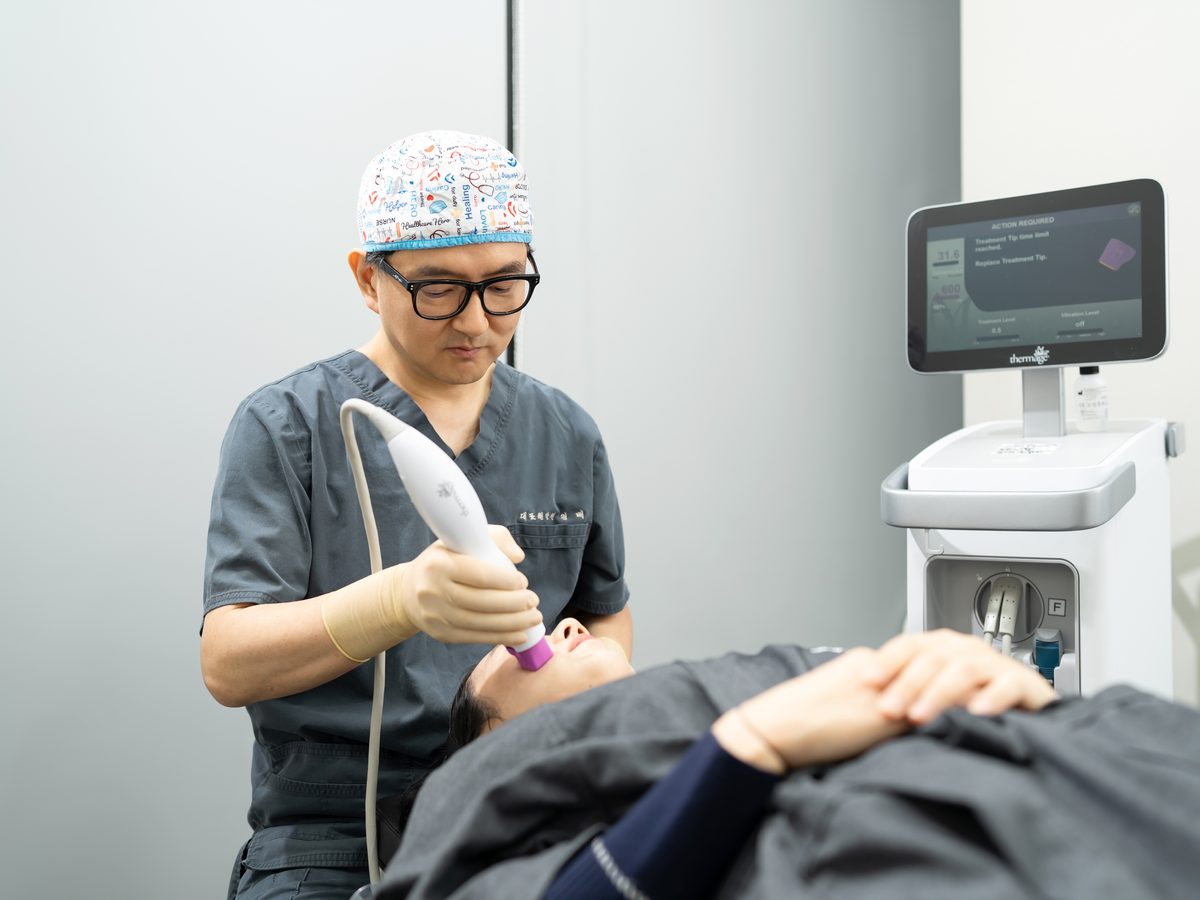
Ultherapy PRIME tends to fit people whose contour has started to move: a softer jaw line, early jowls, heaviness at the brow or the lower cheek. Before any energy goes in, the PRIME system shows the tissue layers on screen in real time, so the depth is checked on your face rather than assumed.
There is a third group: the jaw has softened and the skin has thinned. For them the two devices can be planned together, at different depths, rather than chosen between.
| What you see | Likely layer | Usually considered |
|---|---|---|
| Crepey under-eye skin | Dermis | Sofwave, or Ultherapy 1.5 mm eye tip |
| Horizontal neck lines | Dermis | Sofwave |
| Softened jawline, early jowls | SMAS | Ultherapy PRIME |
| Both at once | Two layers | A combined plan |
Matching the complaint to the layer
Where neither device is the answer
Heavy, loose skin that folds when you look down is beyond what either device can lift. The same 2023 review found improvement declined as baseline laxity increased, and noted smaller gains in people with a BMI over 30. When the excess skin is the problem, a surgical opinion is the honest next step.
Lines that deepen only when you frown or squint come from muscle movement, so an anti-wrinkle injection is the usual tool there, and neither ultrasound device replaces it. If you want the long version of how sagging types differ, the four kinds of sagging and how far a lift can take each walks through them.
Not sure which row is yours? Send three daylight photos (front and both 45° angles, no filter) on WhatsApp, and say whether the lines or the drop bothers you more. The doctor looks at which layer the photos point to; the exact plan is set when you are examined in person.
How do the two sessions feel, and what is the downtime?
Both are done with topical numbing cream, and both usually let you go back to normal activity the same day. Sofwave tends to feel milder, because the surface is cooled continuously during the session. Ultherapy is felt more, especially over bone, so at Symphony there are three comfort options: numbing cream, inhaled sedation (nitrous oxide and oxygen, you stay awake) and IV sedation with monitoring where it is appropriate.
Mild redness and swelling are common after either. Ultherapy's manufacturer lists redness, swelling, pain and transient nerve effects as the most common side effects reported in its clinical trials. Bruising and temporary numb or tingling patches are less common; the 2023 review put bruising, transient dysesthesia, burns and striations together at about 2% of treated patients across the studies it pooled.
When does each show a change?
Sofwave: a mild tightening can be felt straight away, and lines and firmness improve gradually over about 4 to 12 weeks as collagen rebuilds. Ultherapy: the same slow build, since remodelling starts weeks after the session and continues for months. Neither is something to judge in the mirror on your flight home.
Our treatment page describes the Ultherapy effect as generally holding 6 months to a year, with a repeat interval of 6 to 12 months. Responses vary between people, and that is reviewed at follow-up rather than promised.
What makes the plan, if both are on the table?
Three things decide it at the consultation: where the skin folds when you sit upright, how thick the skin is over the area that bothers you, and what the PRIME imaging shows about the depth of the layers on your face. The settings are written area by area, because neck and eyelid skin are not treated at the same energy as the cheek.
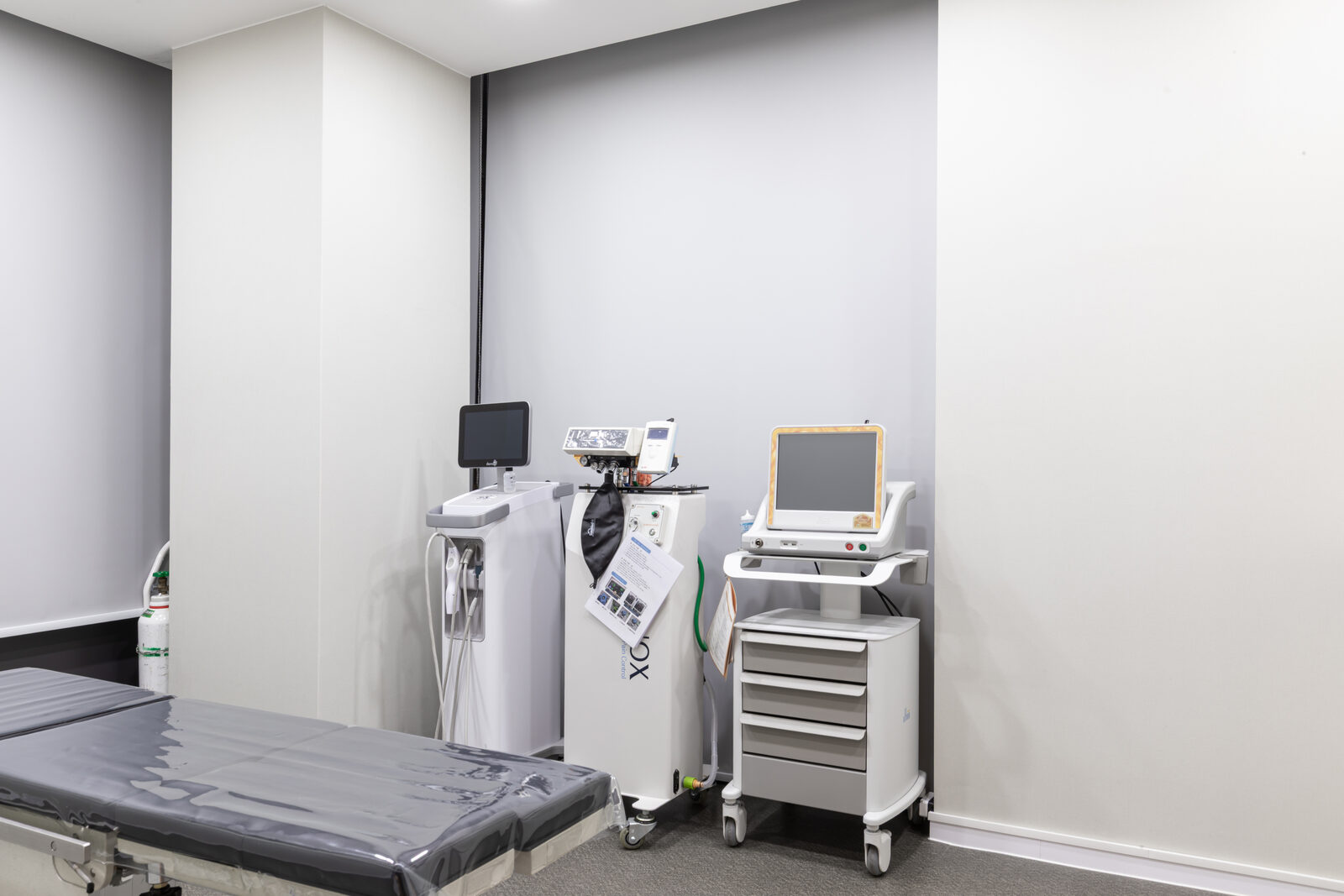
At Symphony, the doctor who assesses you designs the session and performs it. For Ultherapy we work to a genuine-cartridge rule: you can check the Amplify II authentication mark on the machine, a genuine-product certificate is issued after your session, and the planned and actual shot counts are recorded on your chart and shown to you.
If you want each device on its own first, what Sofwave treats at 1.5 mm and how a session runs and what Ultherapy actually does and how it is planned cover one each, and the Ultherapy side effects and safety FAQ answers the questions people ask after. For radiofrequency instead of ultrasound, read how Thermage FLX works.
Fitting it into a trip to Seoul
Either device fits a short stay, since there is no wound and no dressing. Symphony is open 10 am to 7 pm on weekdays and 10 am to 5 pm on Saturdays, and closed on Sundays and Korean public holidays. The clinic is about a 10-minute walk from Exit 8 of Sinsa Station on Line 3, and an interpreter is with you from reception to the treatment room. The doctors who may treat you are listed on the medical team page.
After you fly home you get a written recovery guide in your language, WhatsApp check-ins on day 1, 3 and 7 where you send a photo, and guidance at day 30. If something looks off, the photo goes to the physician and the reply comes from the physician.
Before you book anything, send one short phone video in daylight: slowly turn your head from one side to the other, then look down. That clip shows the doctor whether your laxity sits near the surface, deeper, or in both places.
Questions patients ask us
Is Sofwave the same thing as HIFU?
Both use ultrasound, but the delivery differs. Conventional HIFU focuses energy at points deep in the skin, while Sofwave spreads it as parallel beams at 1.5 mm in the dermis with the surface cooled. That is why Sofwave is aimed at surface firmness and fine lines rather than deep lift.
Can Sofwave and Ultherapy be done on the same day?
They work at different depths, so a combined plan is common. Whether they go on the same day or are spaced apart, and in what order, is decided with your doctor at consultation.
Which is better for the neck?
It depends on what the neck is doing. Horizontal lines and crepey surface skin point to the dermis, where Sofwave works; a loosening under the jaw points deeper, where Ultherapy is aimed. Heavy loose skin may need a surgical opinion instead.
Do I need numbing for Sofwave?
Topical numbing cream is used for both devices. Sofwave tends to feel milder because the surface is cooled throughout the session; for Ultherapy, inhaled or IV sedation can also be discussed.
Will I see the result before I fly home?
Usually only a slight tightening. With both devices the main change builds over the following weeks as collagen rebuilds, so plan to judge it at home, not in your hotel mirror.
Sources
- A Systematic Review of the Efficacy of Microfocused Ultrasound for Facial Skin Tightening (Int J Environ Res Public Health, 2023)
- What is Ultherapy (Merz Aesthetics)
- Sofwave
Treatment details: Symphony Skin Clinic treatment information, checked Nov 12, 2026.
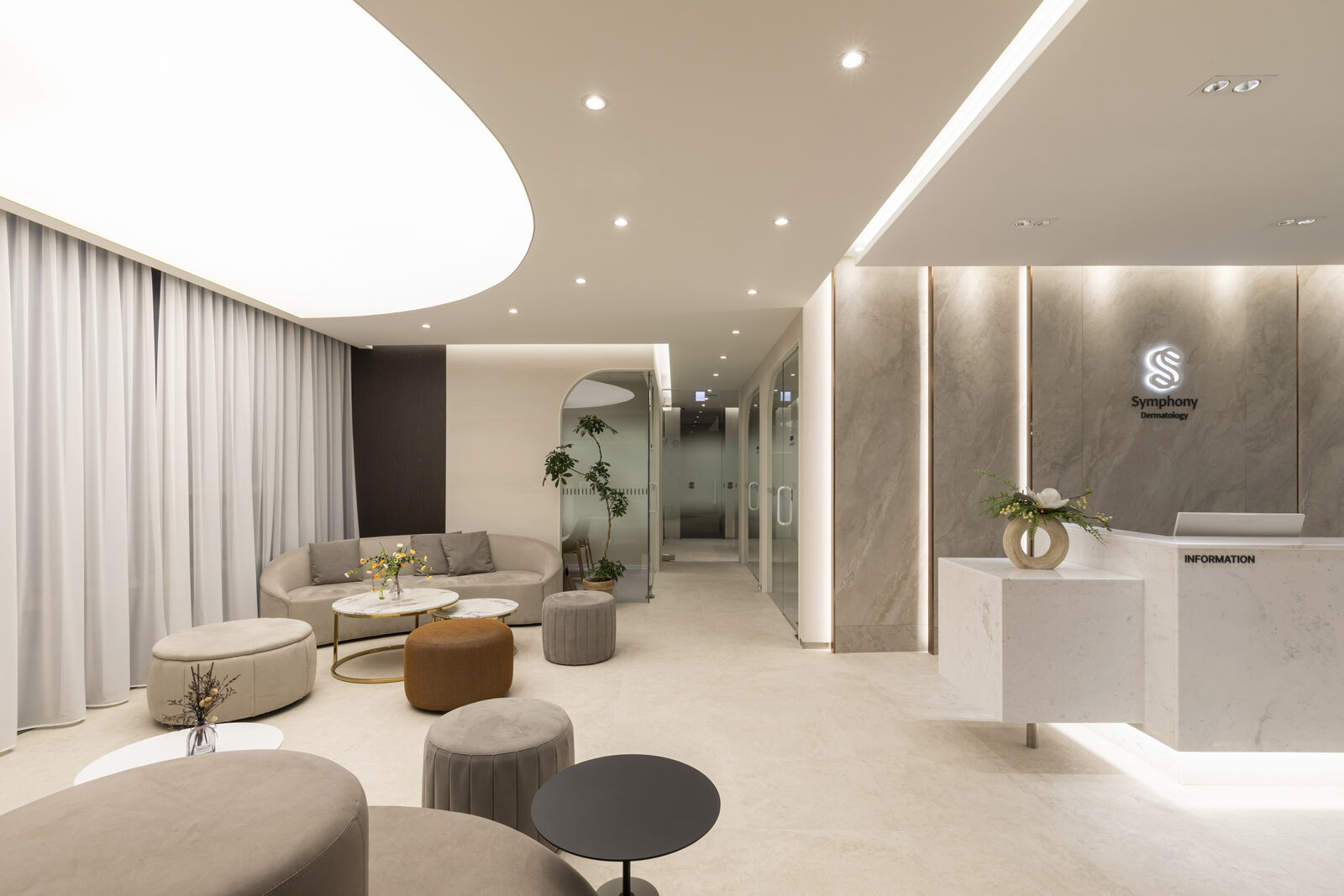
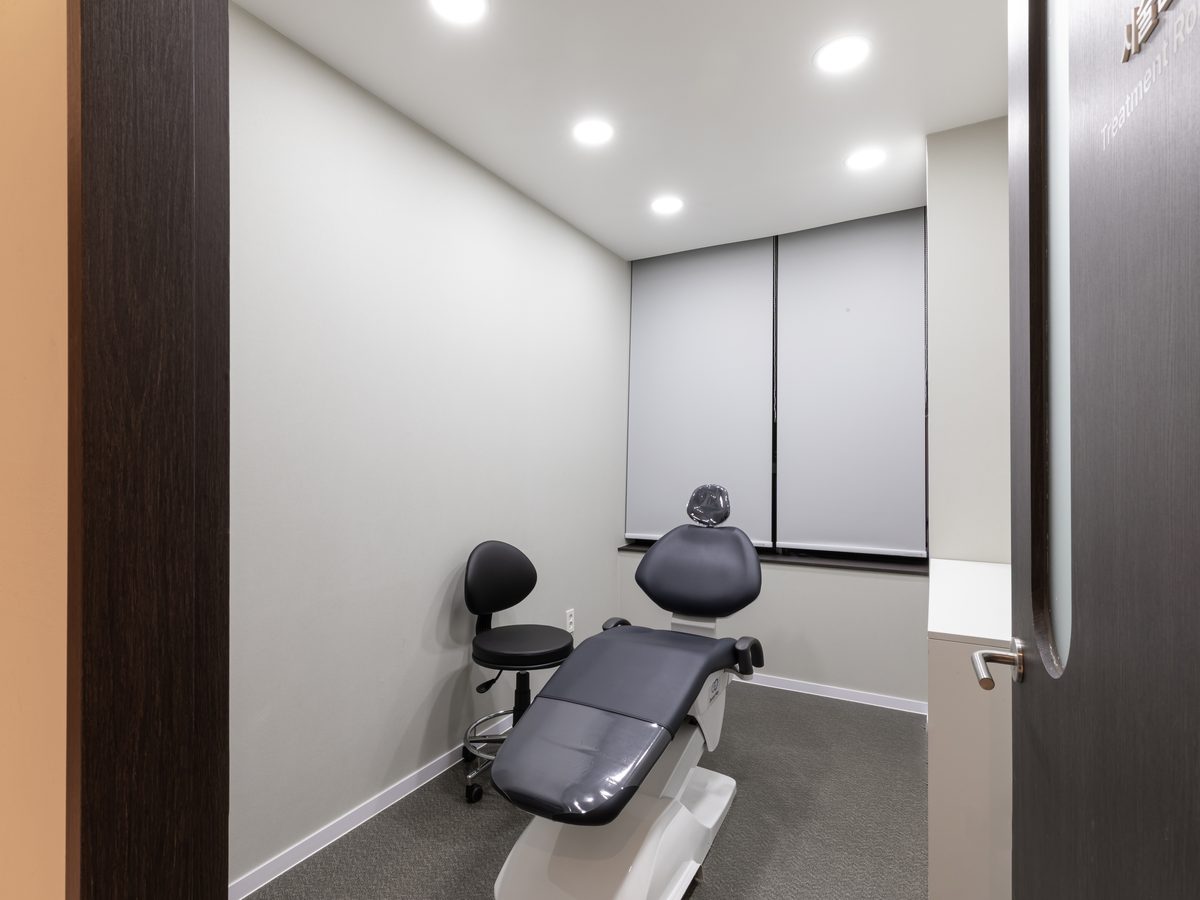
This page is general information from Symphony Skin Clinic, not a diagnosis. Results, risks and recovery differ by person. Treatment is decided after an in-person consultation with a licensed doctor. Clinic and treatment photos on this page were taken at Symphony Skin Clinic.
Keep reading
- Lifting / FirmnessSofwave in Korea: what it treats at 1.5 mm, how a session runs, and who it fitsSofwave in Korea works in the dermis at 1.5 mm for fine lines and thin skin. How Symphony in Seoul runs a session within 30 minutes, and who it fits.7 min read
- Lifting / FirmnessUltherapy in Korea: what it actually does, how we plan it, and who it fitsWhat Ultherapy treats, how Symphony checks depth with live imaging first, and who it suits. Doctor-reviewed guide. Get a quote on WhatsApp.8 min read
- Lifting / FirmnessUltherapy FAQ: side effects, safety and what to expect in KoreaCommon questions about Ultherapy in Korea: side effects, safety, and how to prepare. Doctor-reviewed answers from Symphony Skin Clinic.7 min read