The korean filler stick myth, and the real risks of injected filler

Reviewed by Dr. Ko Dong-il, DirectorUpdated 6 min read
In short A korean filler stick is a cosmetic balm that smooths the surface while it's on; it cannot reach the layer injected filler fills. Injected filler carries real risks, from bruising to rare blood-vessel blockage.

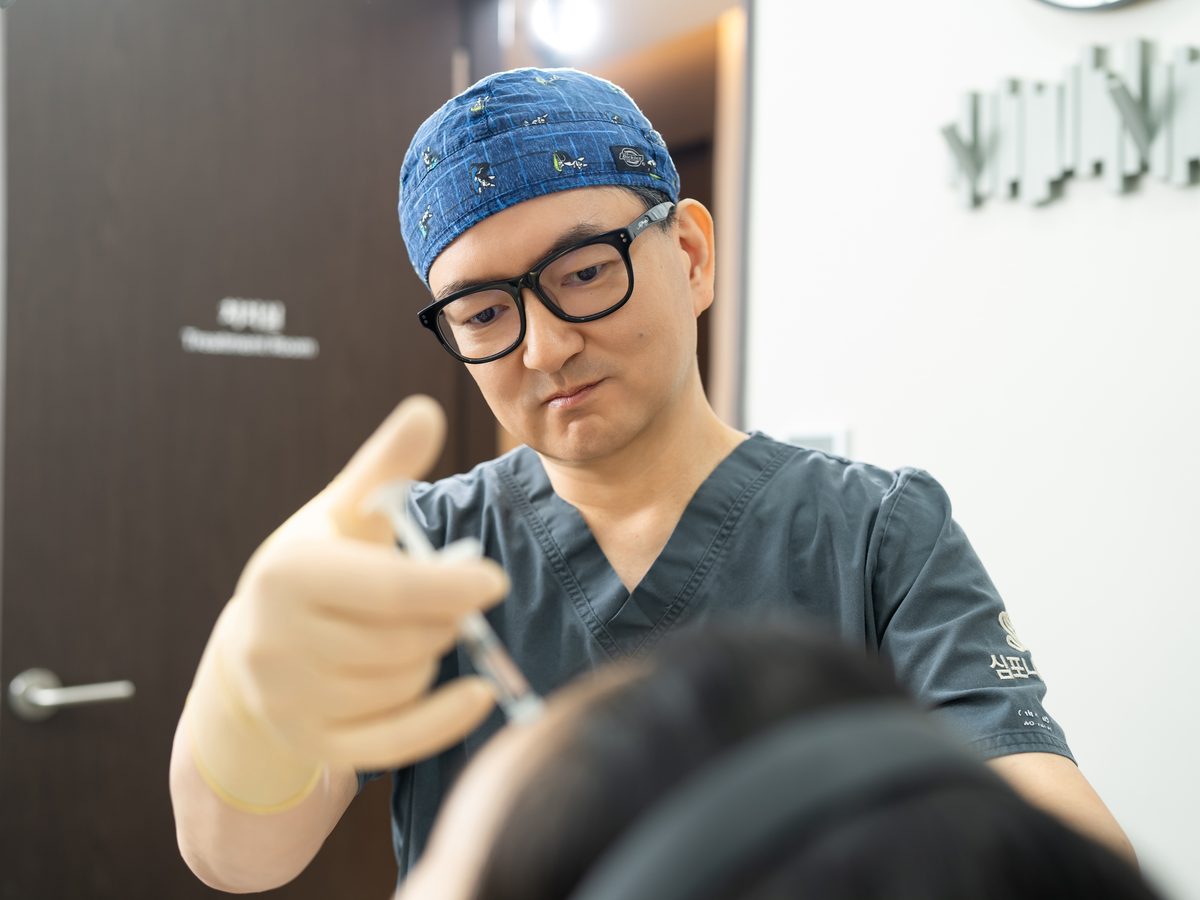
A korean filler stick won't fill anything: it's a cosmetic balm that smooths how lines look on the surface while it's on, and nothing in it reaches the layer where injected filler sits. If you're in your 40s or 50s and weighing the stick against real filler on a trip to Seoul, the worry worth having is what happens if an injection reacts after you've flown home. At Symphony, injected filler is listed under Collagen Injection & Filler, a 10-20 minute treatment with topical numbing and short downtime.
So when you ask me about a korean filler stick, I treat it as a separate question from injection, and the timing of your flight home belongs in that conversation.
Can a korean filler stick reach where injected filler sits?
No. Skin is built to keep large molecules out, and a widely cited paper in Experimental Dermatology puts the practical limit for passing intact skin at about 500 daltons. Hyaluronic acid used in fillers is a long chain far larger than that, so applied to the skin it stays on the surface and holds water there.
What a stick does well is optical: a waxy balm settles into fine lines and keeps skin from drying, which can read as softer skin in photos.
Lip plumping sticks work by mild irritation
Many lip products sold as plumpers swell the lips by irritating them, with ingredients such as cinnamon, capsaicin or peppermint, and WebMD notes the effect is temporary. If the tingle turns into burning, peeling or cracking, stop using it.
Does filler trouble show up after you fly home?
Some of it can. Swelling and bruising show in the first days, lumps can surface later, and filler pressing on or entering a blood vessel needs attention the same day. That is why an injection belongs early in the trip, with days left in Seoul before your flight.
If you can't tell whether your concern is volume or sagging, start there. Send front, both 45° angles and one profile photo on WhatsApp, in daylight, without make-up and with the beauty filter switched off, plus a rough list of any fillers or threads you've had and when. Material placed earlier changes what can be done over it, and saying you'd like English puts the right interpreter on your chat from the first reply.
Vascular occlusion, nodules and the other honest risks
The FDA sorts filler risks into three bands. The FDA calls that last one the most concerning risk.
Swelling and bruising are the ones most people meet. Lips tend to swell more than other areas, and a bruise can take days to fade.
Lumps and nodules after lip filler can be product sitting unevenly or, less often, an inflammatory reaction that appears later. The FDA notes that nodules may need injections, oral antibiotics or surgical removal. Hyaluronic acid filler can often be broken down with the enzyme hyaluronidase, which is one reason to know exactly which product went in.
Vascular occlusion is the complication that decides how filler should be scheduled. Warning signs include sudden or unusual pain, skin turning pale, blotchy or dusky, and any change in vision.
Area matters. The nose, the space between the brows, the forehead and the temples are commonly described as higher-risk zones because of the vessels running through them, so nose filler and forehead filler call for more caution than the chin.
Needle-free pens. Devices sold online for pushing filler in without a needle sit between the stick and the syringe. The FDA has not approved them for dermal filler, has received reports of serious adverse events, and tells providers not to use them for filler.
How your skin responds is individual, and whether filler suits you is decided at the in-person examination.
Why more filler in the cheeks rarely lifts jowls
Filler adds volume. Loose skin stays loose. A small amount at the cheekbone or temple can change shadows and make the lower face look less heavy, but chasing a lift with more product is how faces drift toward the puffy look people search for as pillow face. Temple filler to lift the eyes follows the same rule: it can soften a hollow, and it won't raise a heavy lid.
When laxity is the real issue, energy-based lifting works on a different layer: what Ultherapy does and who it fits and choosing the right device before choosing a Sofwave clinic cover those routes. For thin, crepey skin, Rejuran, a skin treatment rather than a filler, answers a different complaint, and deciding between Juvelook and Juvelook Volume explains how collagen stimulators fit. Uneven texture such as stretch marks follows its own plan by phase.
When should you not have filler at all?
Skip or postpone filler when the timing, your health or the goal is wrong:
- You're pregnant or breastfeeding. Elective injectables are usually postponed, and our booking page asks you to tell us either way.
- There's an active breakout, cold sore or skin infection near the area.
- You've just had a viral or bacterial illness, a vaccination or dental work.
- You've had a strong allergic reaction or a past filler reaction. Mention any allergy or skin reaction before a plan is made.
- You don't know what was injected before. Earlier filler or threads change what can be placed over them.
- A wedding, a shoot or an important meeting falls in the days after, or the injection would land on your last day in Seoul.
- The goal is lifting sagging skin, which filler doesn't do.
A korean filler stick has far fewer limits. If your lips and skin tolerate it, it's a cosmetic choice and needs no appointment.
What should you ask before anyone picks up a syringe?
Four questions cover most of it: which product is going in and whether it can be dissolved, who will inject, what happens if a warning sign appears after you leave, and what record you take home. At Symphony the second answer is fixed, because the doctor who consults you is the one who injects. The CDC advises medical travelers to carry copies of their records and to arrange follow-up with a provider at home before they travel, which applies to a short filler session as much as to surgery.
The same habit of asking works for any treatment. The questions we suggest for choosing an Ultherapy clinic translate well to injectables.
If one question is holding you back, such as whether an old filler is still in your lips or whether your cheeks need volume or lift, send it on WhatsApp with a daylight photo of the area and your dates in Seoul. Ask for English so the right interpreter is on your chat from the first reply, and mention any wedding or meeting during the trip, because that changes the order of everything.
Questions patients ask us
Do Korean filler sticks contain real filler?
Some list hyaluronic acid, the same family of ingredient used in injectable fillers. On the skin it stays on the surface and holds water there, so the effect lasts while the product is on and washes off.
Can lip filler cause nodules months later?
Lumps and nodules are on the FDA's list of filler risks, and some appear after the early swelling has settled. Hyaluronic acid filler can often be dissolved with hyaluronidase, so keep a record of the product used and see a doctor if a lump appears.
What are the warning signs of vascular occlusion after lip filler?
Sudden or unusual pain, skin that turns pale, blotchy or dusky, and any change in vision. These need urgent care the same day, wherever you are.
Is nose or forehead filler riskier than lip filler?
The nose, forehead, temples and the area between the brows are commonly described as higher-risk zones because of the vessels that run through them. The FDA lists vision problems and blindness among the rare results of filler entering a blood vessel.
How long does a filler appointment take at Symphony?
Collagen Injection & Filler is listed as a 10-20 minute treatment with topical numbing and short downtime. The consultation with the doctor comes before anything is injected.
Sources
- Dermal Fillers (Soft Tissue Fillers)
- The 500 Dalton rule for the skin penetration of chemical compounds and drugs (Experimental Dermatology, 2000)
- Lip Plumpers: Do They Work?
- Medical Tourism
Treatment details: Symphony Skin Clinic treatment information, checked Oct 17, 2026.
This page is general information from Symphony Skin Clinic, not a diagnosis. Results, risks and recovery differ by person. Treatment is decided after an in-person consultation with a licensed doctor. Clinic and treatment photos on this page were taken at Symphony Skin Clinic.
Keep reading
- Lifting / FirmnessUltherapy in Korea: what it actually does, how we plan it, and who it fitsWhat Ultherapy treats, how Symphony checks depth with live imaging first, and who it suits. Doctor-reviewed guide. Get a quote on WhatsApp.8 min read
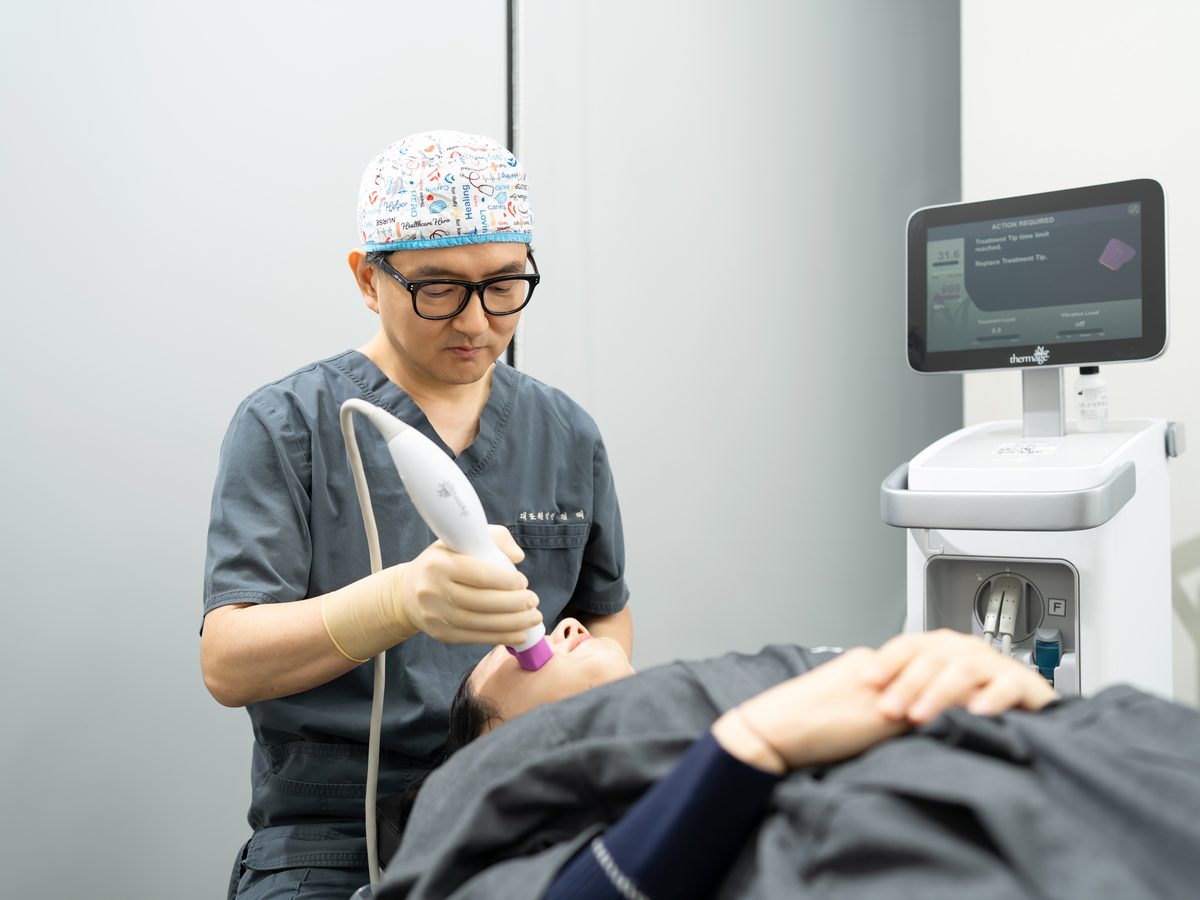
- Lifting / FirmnessChoosing a Sofwave clinic in Korea: the right device first, then the right questionsChoosing a Sofwave clinic in Korea starts with the right device. How Sofwave, Ultherapy and Thermage divide the work, and what to ask before you book.7 min read

- Skin BoosterRejuran in Korea: a skin treatment that is not a fillerRejuran korea explained by a Seoul clinic: what polynucleotide does, why it is not a filler, and how Rejuran, Rejuran i and Rejuran HB differ from each other.8 min read