Skin Clinics for Foreigners in Gangnam: Will Reactive Skin Be Rushed?
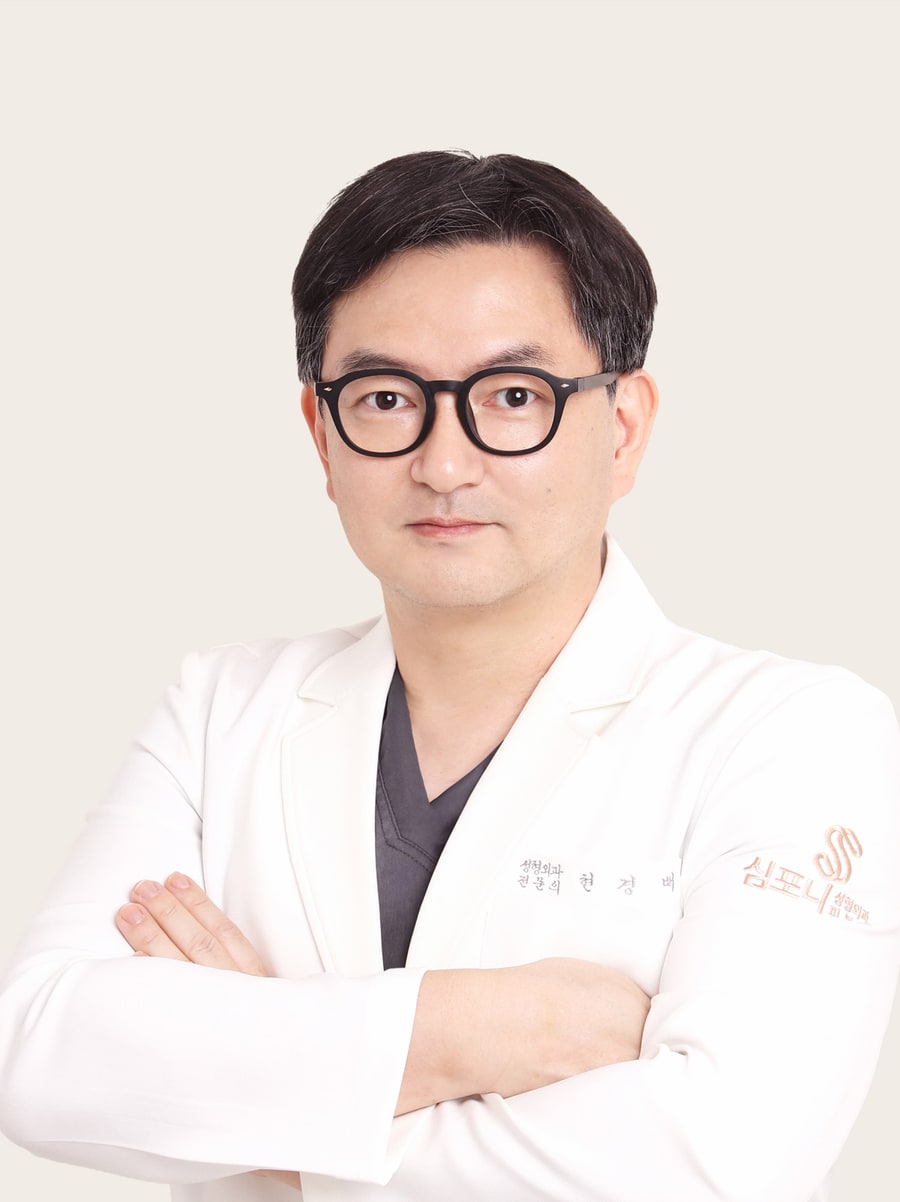
Written by Dr. Hyun Kyung-bae, Chief Director · Plastic surgeon (Korea)Updated 8 min read
In short A Seoul skin clinic for foreigners in Gangnam is a dermatology clinic registered to treat international patients, with an interpreter built into the visit. It suits you when your skin is calm enough to treat on your dates.

Worried that the kind of Seoul skin clinic for foreigners Gangnam is full of will move skin that flares as easily as yours through too fast, in a language you only half follow? Read this before you book a slot anywhere. By the end you'll know what decides the cost, what reviews get right and wrong about these clinics, and which methods, from medical skincare to lifting devices, make sense for reactive skin, so you can pick a visit that fits your skin and your budget.
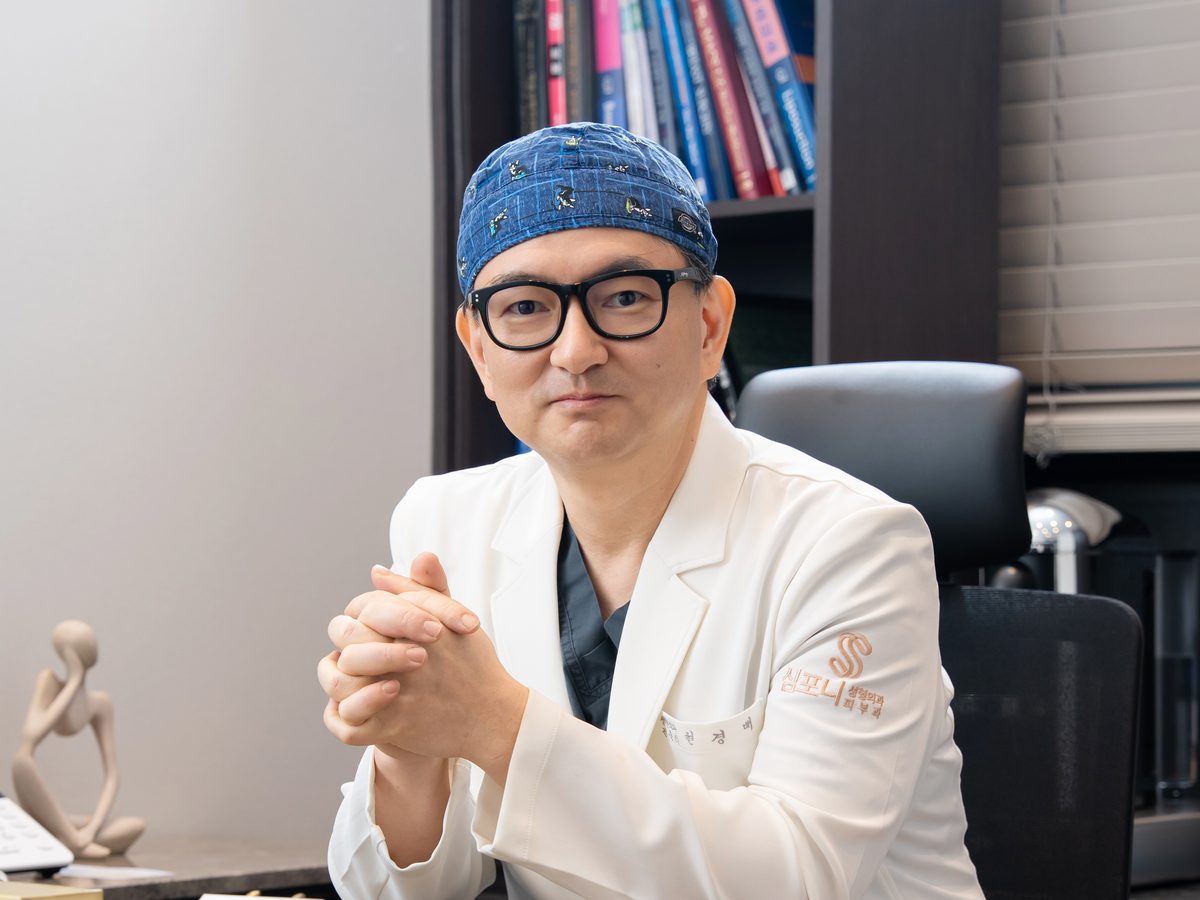
Hello, I'm Dr. Hyun Kyung-bae, Chief Director at Symphony. I'm a plastic surgeon (Korea), a graduate of Yonsei University College of Medicine and a Clinical Professor at Yonsei University, and I've practised at Symphony for 17 years.
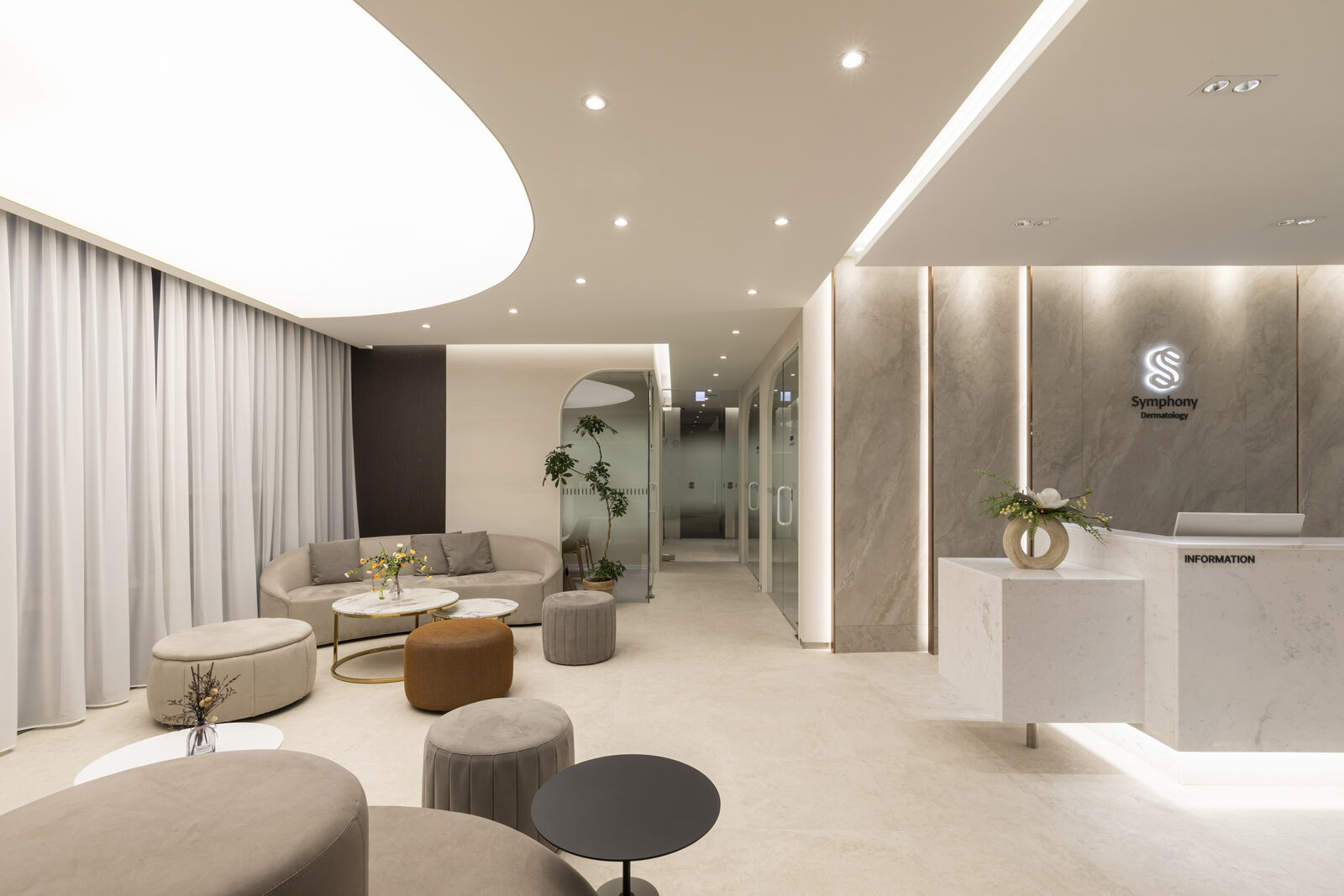
Our dermatology floor is the second floor of the Sinsa Hill Building, 165 Dosan-daero, Gangnam. Appointments are one-on-one, one patient at a time in a private room. The doctor who consults you is the doctor who treats you, and an interpreter for English, Japanese or Chinese stays with you from reception to the treatment room.
I wrote this because people with sensitive or rosacea-prone skin often choose a clinic by its menu, when the question that decides how their week goes is whether someone will read their skin before anything is switched on.
A skin clinic for foreigners in Gangnam is a dermatology clinic registered to treat international patients, with language support built into the visit. It suits you when your concern is something in-clinic treatment can change and your skin is calm enough to treat on the dates you're in Seoul.
What is a skin clinic in Seoul for foreigners, and why Gangnam?
In Korea, only medical institutions registered with the Ministry of Health and Welfare may treat international patients. Symphony is registered, and the register can be checked independently through Medical Korea, so you don't have to take our word for it. That registration is the first thing I'd confirm before shortlisting any Seoul skin clinic for foreigners Gangnam has to offer, ours included.
Many of Seoul's aesthetic clinics sit in Gangnam, around Sinsa and Apgujeong, and we're near Apgujeong Rodeo. If you're comparing several, our guide to choosing a Seoul aesthetic clinic from abroad covers what to check before booking. This post stays with one narrower case: the visit when your skin is the hard part.
How does a visit work if you don't speak Korean?
In short, it starts with photos: the area in daylight, without make-up or filters, a few words on what bothers you, and the dates you could be in Seoul. The doctor reviews them, and the reply comes in your language with the treatments worth considering, the downtime each carries and a rough cost range.
A photo gives a direction, not a final plan. Lighting, make-up and camera correction change how skin looks, and redness, vascular condition and the depth of pigment can only be read in person. For reactive skin, those are the details that shape the plan.
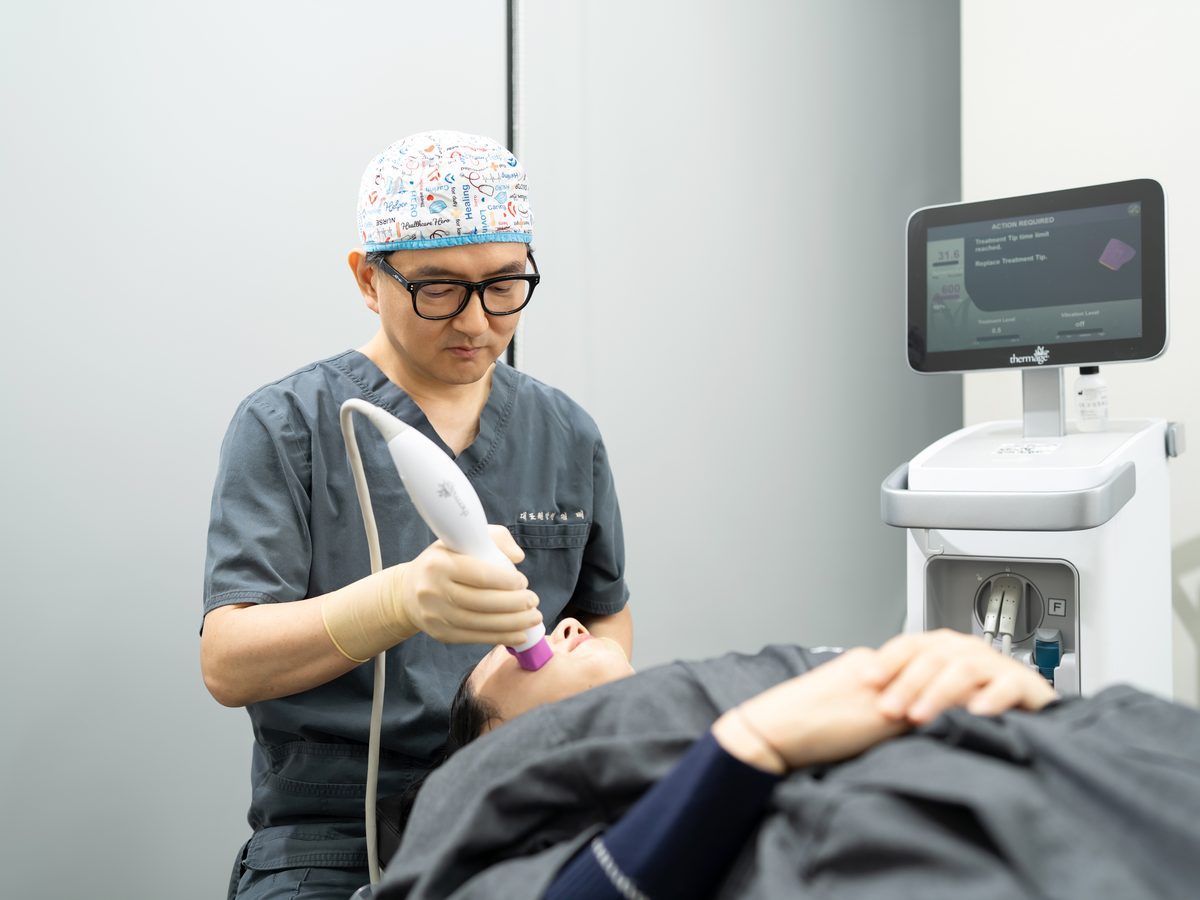
On the day, the interpreter is beside you the whole way through, and the doctor you spoke with in consultation is the one who carries out the plan. The consultation isn't run by a sales counsellor, and the treatment isn't handed to an aesthetician afterwards.
Who it suits, and when I'd say not this trip
Rosacea is a long-term condition that comes in flare-ups, and the UK's NHS lists triggers such as hot weather, sunlight and alcohol. A long flight, a warm week of walking around Seoul and late dinners can push skin that's quiet at home into a flare by the second day. That's why calm skin on your treatment dates matters as much as the treatment you picked.
Say your cheeks flush easily, a doctor at home has mentioned mild rosacea, and you want a lifting treatment and a skin booster in four days before flying back. The first thing I'd want to know is what your skin looks like on the morning of the visit. If it's red and inflamed, I'd rather calm it and do less than stack energy and injections on irritated skin with a flight ahead of you.
If you'd like a sense of whether your skin is likely to be ready on your dates, the photo worth sending is your skin on an ordinary day, the way it usually looks when you wake up.
What do reviews of Gangnam skin clinics get right?
Review threads about Gangnam clinics tend to repeat four claims. Some hold up medically; some need a qualifier.
The first is that visits feel fast. Some do. We don't run the high-volume model where patients are moved through in batches.
The second is that Korean treatments have no downtime. Many skincare and energy-based treatments do let people go out the same day. On reactive skin, though, redness and warmth can last longer than the usual estimate, so plan a quiet evening after any treatment rather than a dinner reservation.
The third is that the staff speak English. That varies, and the useful question is narrower: will an interpreter be in the room during treatment, when questions actually come up? Ours stays with you from reception to the treatment room.
The fourth is that you can do everything in a single day. Medically, layering several treatments on sensitive skin raises the chance of irritation. The same reasoning applies when several procedures are stacked into one afternoon.
Methods, chosen by skin layer
Fixing only what shows on the surface rarely makes a change that lasts, so I sort methods by the depth they work at.
At the surface is medical skincare. Our treatment pages list it for excess sebum, shiny and acne-prone skin, and blackheads and pores on the nose, and in pore and scar plans it's used to support calming and renewal. For reactive skin, surface care carries less risk of setting off a flare than deeper energy treatments, and it can be adjusted from one session to the next.
One layer down are skin boosters and collagen stimulators, placed in the dermis. If you're weighing those, our piece on choosing between Juvelook and Juvelook Volume explains how that choice is made.
Deeper still are the lifting devices on our menu: Ultherapy, Thermage and Sofwave, each working at a different depth. If firmness is your concern, read how Thermage FLX works and its side effects, then the questions worth asking an Ultherapy clinic and how to choose a Sofwave clinic. Heat can aggravate flushing in some people with rosacea, so on reactive skin I'd want to see it calm before choosing a heat-based device.
Everything we offer is listed by category, from lifting to skin boosters and care programmes, on Symphony's English site. Use it to put names to what you've read; the choice between them belongs to the exam.
What decides the cost of your visit?
There's no single figure for a visit, because the total is built from your plan. These are the things that move it:
- The method: a medical skincare session, an injectable booster and a lifting device are priced differently.
- The area: the full face, the cheeks only, or face and neck together.
- The number of sessions, and whether they fit into one trip or need a return visit.
- Whether treatments are combined on one day or spread out, which on reactive skin is often the gentler choice.
- How many days you're in Seoul, which limits how much can be done before you fly.
You hear the whole plan and the total before the first session starts. From your photos, the doctor gives a rough cost range for the options that fit, and the exact quote follows the in-person exam. For how device pricing is put together, see what changes an Ultherapy quote and what changes the total for exosome treatment.
How many days should you plan around our hours?
Plan the exam first and any treatment after it, with room between them. We're open weekdays from 10:00 to 19:00 and Saturdays from 10:00 to 17:00, and closed on Sundays and Korean public holidays, including the days around Lunar New Year and Chuseok. Check those dates before you book a flight.
The number of days is set by the treatment and by your skin. Surface care and most device treatments let people go about their day afterwards, while injectables can leave small bumps or bruising for several days, so keep the last day before your flight clear of new treatment.
Getting here is short from the subway: Sinsa Station (Line 3), Exit 8, then about a 10-minute walk. Buses stop at Sinsa Station Exit 1 (stop ID 23111), 76 m away, and there's parking at 6-6 Dosan-daero 23-gil.
Risks and what happens after you fly home
The common reactions are temporary. After most skincare and energy treatments, expect redness, warmth, mild swelling or tightness for a few hours to a few days. After injections, small bumps at the injection points and occasional bruising can take a week or so to fade. On reactive skin these can last longer, and results and recovery vary by individual.
As general medicine, wait or skip treatment for now if you're in an active flare of rosacea or eczema, have an infection or cold sore in the area, had a strong peel or laser in the last few weeks, take oral isotretinoin or stopped it recently, are pregnant or breastfeeding, or are allergic to an ingredient in the planned product. If your skin darkens after irritation, which DermNet notes is more common in medium and darker skin tones, mention it before treatment, because it changes how strong a plan should be.
After you fly home, you receive a written recovery guide in your language on the day, check-ins on day 1, 3 and 7, and guidance at day 30. If something looks off, your photo and message go to the physician and the reply comes back from the physician. This is recovery guidance, and it doesn't replace a doctor where you live: if a reaction worries you, see one locally. The US CDC also suggests taking copies of your records home and arranging follow-up care there before you travel for treatment.
If any of this sounds like your skin, send one daylight photo on WhatsApp, without make-up or filters, with the dates you could be in Seoul and the one question you most want answered, such as whether your skin would be calm enough to treat on your second day. A photo is enough to start, and you can ask before booking anything. When you come, the doctor examines your skin in person and recommends the plan that fits it.
Questions patients ask us
Is a Seoul skin clinic for foreigners different from a regular Korean dermatology clinic?
The medicine is the same. The difference is registration and support: in Korea, only institutions registered with the Ministry of Health and Welfare may treat international patients, and a clinic set up for visitors builds language support into the visit. At Symphony, an interpreter for English, Japanese or Chinese is with you from reception to the treatment room.
Can I consult in English before I travel?
Yes. The photo consultation runs one-on-one in English, and the reply comes in your language with the options worth considering, their downtime and a rough cost range. It's general guidance, and no treatment is decided remotely.
Who will actually perform my treatment?
The doctor who consults you. There are four physicians on our team, and the one who talks through your plan carries it out; nothing is handed to someone else after the consultation.
Can I book on a Sunday?
No. We're closed on Sundays and Korean public holidays. We're open weekdays from 10:00 to 19:00 and Saturdays from 10:00 to 17:00.
Should I stop my skincare products before a visit?
Bring a list or photos of what you use. Retinoids and strong exfoliating acids can make skin more sensitive, and many doctors ask people to pause them for a few days before energy or peel treatments. Whether that applies to you, and for how long, is confirmed at the consultation.
Sources
Treatment details: Symphony Skin Clinic treatment information, checked Oct 26, 2026.
This page is general information from Symphony Skin Clinic, not a diagnosis. Results, risks and recovery differ by person. Treatment is decided after an in-person consultation with a licensed doctor. Clinic and treatment photos on this page were taken at Symphony Skin Clinic.
Keep reading
- Clinic & visitChoosing a Seoul aesthetic clinic from abroad: seven things to check before you bookChoosing a Seoul aesthetic clinic from abroad? Seven checks before you book: who treats you, language support, genuine products, pricing and aftercare at home.7 min read
- Collagen / VolumeChoosing a Juvelook clinic in Korea: Juvelook or Volume first, then four questions to askChoosing a juvelook korea clinic? How standard Juvelook and Juvelook Volume differ (24 vs 40 μm), and four questions you can put to any clinic in Seoul.8 min read
- Lifting / FirmnessThermage in Korea: how FLX works, honest side effects, and choosing a Seoul clinicHow Thermage FLX works, who it suits, what side effects to expect and what to ask a Thermage Seoul clinic. Doctor-reviewed guide with a WhatsApp quote.8 min read