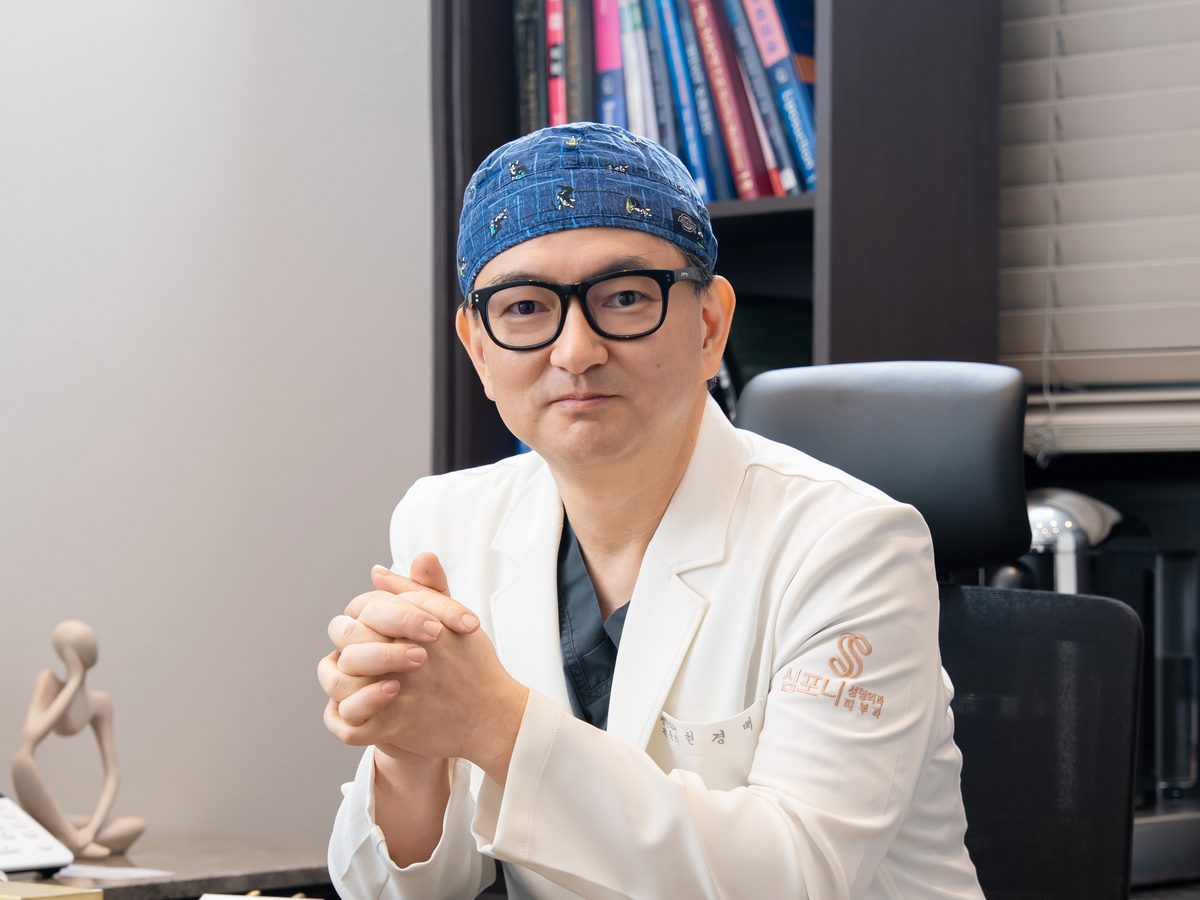
Check the clinic calendar before the flights: fitting a Rejuran skin booster into a short Seoul trip

Reviewed by Dr. Kang Eun-joo, DirectorUpdated 7 min read
In short A Rejuran skin booster fits a three-night Seoul trip: treat early, keep at least one full day for the injection bumps to settle before you fly, and check the clinic's Saturday hours and Sunday closure before buying tickets.

Land at Incheon on Friday evening, see the doctor on Saturday morning, fly home on Monday. That is the shape of most short Seoul trips, and it is enough time for one Rejuran skin booster session if you plan around two things: the small raised bumps the injections leave for a while, and the clinic's calendar. Symphony closes at 17:00 on Saturdays and stays closed on Sundays and Korean public holidays, so the day you land shapes your plan more than the product does.
The product itself is covered on our Rejuran treatment page. This page is about the trip around it: how many nights to book, which day to be treated, what can go wrong, and what to do once you're back home. If you're a student or a young professional stretching a long weekend, it's written for you.
What is a Rejuran skin booster, in plain terms?
Rejuran is a polynucleotide (PN) injectable: purified DNA fragments, usually sourced from fish, placed in tiny amounts into the dermis to support the skin's own repair and hydration. It is a skin-quality treatment. It doesn't add volume or change the shape of your face.
A 2025 review in Pharmaceutics comparing polynucleotides with PDRN describes PN as longer chains that form a gel-like network in tissue, which is part of why they are discussed for hydration as well as repair signalling. A 2024 systematic review in the Journal of Cosmetic Dermatology gathered the published studies on polynucleotides in aesthetic medicine and reported improvements in skin-quality measures, mostly with mild and temporary side effects, while noting that the studies vary in design and size.
If you want the longer explanation of why it isn't a filler, it's in our piece on Rejuran in Korea. If your real complaint is lost volume rather than tired, thin-looking skin, the comparison in Rejuran vs Juvelook is the better read before you plan anything.
One session or a series: the honest trade-off for travelers
Polynucleotide studies usually use a series of sessions spaced a few weeks apart, so one trip buys you one session. That is a real start, but it is usually a first step rather than the whole plan.
This matters more for travelers than for people living in Seoul. If you can visit once a year, a series spaced weeks apart isn't realistic, and it's worth saying that at the consultation because it changes the conversation. The doctor may still suggest Rejuran, or may look at other boosters. Symphony's custom skin booster is one example: ingredients and concentration are mixed for your skin on the day rather than taken from a fixed menu.
If you're already weighing collagen-stimulating injectables as well, this Juvelook guide explains how that decision is usually made, so you arrive with one clear question instead of five.
How many days should a Rejuran skin booster trip be?
Three nights is a comfortable minimum. Get treated on your first full day, then leave at least one full day before the flight so the injection bumps can settle and you can see your skin in daylight while you're still in Seoul.
Two common calendars, laid out against the clinic's hours (weekdays 10:00-19:00, Saturday 10:00-17:00, closed Sundays and Korean public holidays):
| Friday to Monday trip | Wednesday to Sunday trip | |
|---|---|---|
| Arrival | Friday evening, no clinic visit | Wednesday evening |
| Consultation and treatment | Saturday morning (clinic closes 17:00) | Thursday morning |
| Day after | Sunday, clinic closed; bumps usually fading | Friday, clinic open if you want your skin checked |
| Before the flight | Monday morning, fly out | Saturday open until 17:00, fly Sunday |
| Weak point | No chance to return to the clinic before you leave | Needs two more days of leave |
The Friday to Monday trip works, but it has no slack. If Saturday slots are full, the plan falls apart, and there is no clinic day between treatment and the airport. The weekday version is easier on your skin and gives you a day when the doctor can see you again.
Two calendar traps catch people. Korean public holidays close the clinic, including the days around Lunar New Year and Chuseok, which move every year, so check those dates before you buy a ticket. And Saturday is the day everyone with a weekend trip wants.
The clinic is at 2F, 165 Dosan-daero, Gangnam-gu, about a 10-minute walk from Sinsa Station (Line 3) Exit 8; the location and hours page has the bus stops too. For a worked example of how several treatments can be spread over four days, see the four-day Seoul planning example, which the clinic presents as an illustration built from downtimes, not a package.
Side effects, risks and who should wait
The common effects are small raised bumps at the injection points, redness, mild swelling, tenderness and sometimes bruising. They are usually temporary. Infection, persistent lumps and allergic reactions are uncommon but possible, which is why your history matters before the first injection.
A 2026 real-life assessment of high-purification polynucleotides in the Journal of Cosmetic Dermatology reported side effects that were mostly mild and short-lived, consistent with the earlier review. Mild and short-lived is still not nothing on a three-day trip: a bruise from one injection point can take longer to fade than the bumps, and blood-thinning medicines or supplements make bruising more likely.
Treatment is commonly postponed if you have an active skin infection, a cold sore or an acne flare in the area, if you're pregnant or breastfeeding, or if you've had another injectable in the same zone very recently. Tell the doctor about any fish allergy, since the active ingredient is fish-derived.
Everyone's skin responds differently, and the in-person examination on the day decides if treatment goes ahead.
What treatment day looks like at Symphony
You arrive at reception on the 2nd floor of the Sinsa Hill Building, and an English-speaking interpreter stays with you from reception to the treatment room. Scheduling is appointment-only, one patient at a time in a private room, and the doctor who consults you is the one who performs the treatment.
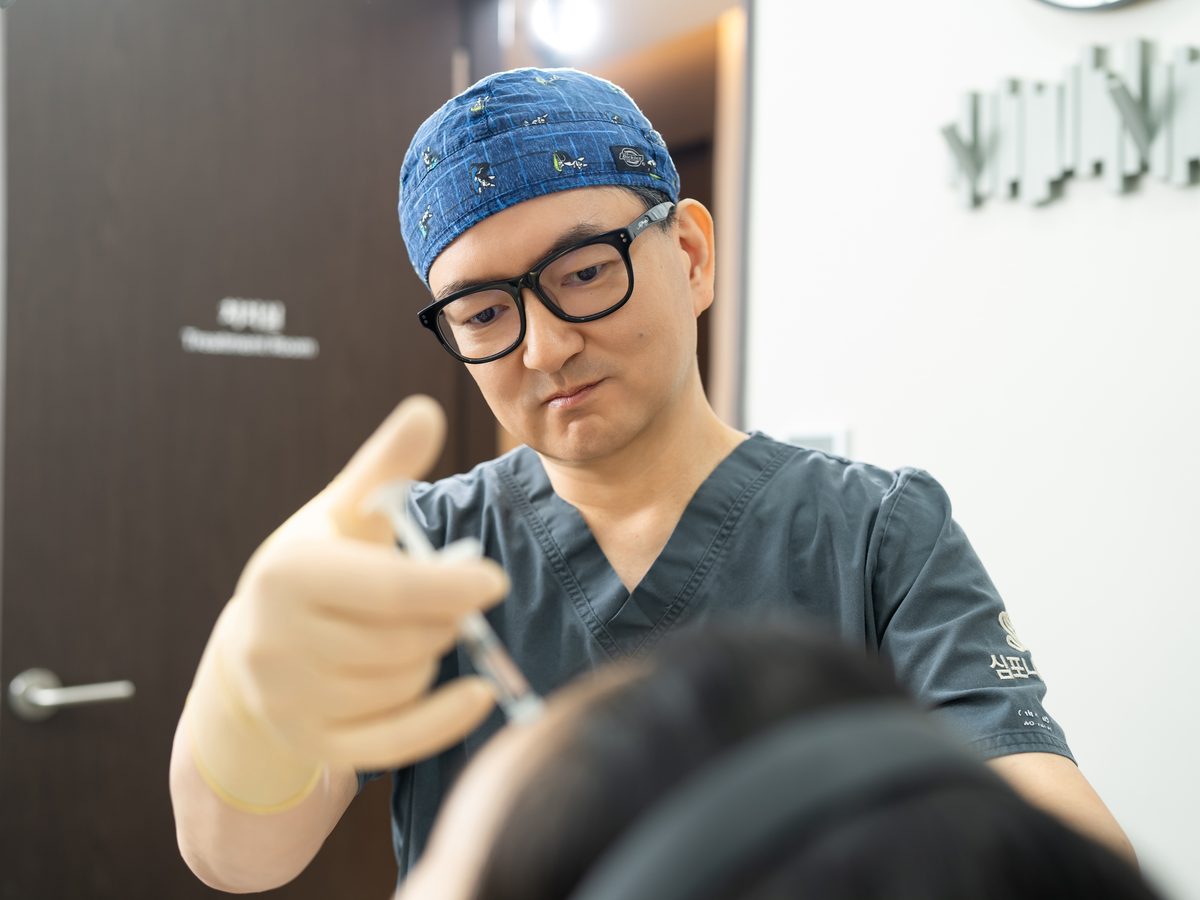
The method of delivery is also a decision made on the day. Symphony's skin booster page explains that the injection method is chosen according to the character of each product and the current state of your skin; for some boosters that means Mirajet, a device that delivers product into the skin as a micro jet without a needle.
Whether that applies to your Rejuran session, or whether needle injection fits better, is something the doctor decides after looking at your skin. For needle-delivered boosters a numbing cream is commonly applied first, so allow extra time and don't book a tight lunch reservation straight after.
Plan to leave with a bare face. Sunscreen and a hat are worth having in your bag, especially in summer.
Can you add a lifting device on the same trip?
Often, yes, but the order and spacing are a doctor's decision. In the clinic's own four-day example, Ultherapy PRIME and Thermage FLX are planned for one day and a skin booster for another, so the skin isn't asked to cope with everything at once.
If lifting is the bigger worry, the questions in choosing an Ultherapy clinic in Korea are a useful checklist before you add anything. Just be realistic: each extra treatment adds its own aftercare, and a short trip has limited room for it.
Back home: the first weeks after a Rejuran skin booster
The bumps are usually gone within the first few days, and any change in skin texture shows up gradually over the following weeks rather than overnight. That slow curve is normal for polynucleotides, so judging the result on the flight home isn't fair to it.
Keep the routine simple for the first days: gentle cleanser, moisturizer, sunscreen, no exfoliating acids or retinoids on the treated area until the skin feels calm. If something looks wrong, such as spreading redness, increasing pain or a lump that grows instead of fading, see a local doctor promptly and send a photo to the clinic on WhatsApp so the Seoul team can see it too.
When you start thinking about a second session, bring the next trip into the conversation early. Send a daylight photo of the area that bothers you and the dates you're considering on WhatsApp, and the doctor reviews whether a Rejuran skin booster, another booster, or simply waiting fits those dates.
Questions patients ask us
Does a Rejuran skin booster hurt?
Most people describe it as a series of small stings rather than real pain. For needle injections a numbing cream is commonly applied beforehand, and the area can feel tender for a day or so. How it feels varies from person to person.
How long do Rejuran bumps last?
The small raised bumps at the injection points usually flatten within the first day or so, though it varies. A bruise at an individual point can take longer to fade. That is why a full day between treatment and your flight is a good idea.
Can I fly the day after a Rejuran skin booster?
Flying itself isn't the main concern. The trade-off is that once you leave Seoul, the doctor can only see your skin through photos. Treatment one or two days before departure gives you time to have your skin checked in person if needed.
Is Rejuran a filler?
No. Rejuran is a polynucleotide injectable aimed at skin quality, such as texture and hydration, not at adding volume or reshaping. If volume loss is your main concern, a different type of treatment is usually discussed.
Can I start a Rejuran skin booster series in Seoul and continue at home?
Some travelers do, but the follow-up sessions would then be planned and performed by a doctor in your home country, who will make their own assessment. Mention your plan at the Seoul consultation so the doctor can take it into account.
Sources
- The Effectiveness of Polynucleotides in Esthetic Medicine: A Systematic Review
- A Real-Life Assessment of Injectable Polynucleotides High Purification Technology in Aesthetic Medicine for Skin Rejuvenation
- Comparison of Polynucleotide and Polydeoxyribonucleotide in Dermatology: Molecular Mechanisms and Clinical Perspectives (Pharmaceutics, 2025)
Treatment details: Symphony Skin Clinic treatment information, checked Oct 9, 2026.
This page is general information from Symphony Skin Clinic, not a diagnosis. Results, risks and recovery differ by person. Treatment is decided after an in-person consultation with a licensed doctor. Clinic and treatment photos on this page were taken at Symphony Skin Clinic.
Keep reading
- Skin BoosterRejuran in Korea: a skin treatment that is not a fillerRejuran korea explained by a Seoul clinic: what polynucleotide does, why it is not a filler, and how Rejuran, Rejuran i and Rejuran HB differ from each other.8 min read
- Skin BoosterRejuran vs Juvelook: they are not competing, they answer different complaintsRejuran vs Juvelook compared by a Seoul clinic that offers both: polynucleotide against PDLLA, what each one changes, and when the change appears.8 min read
- Collagen / VolumeChoosing a Juvelook clinic in Korea: Juvelook or Volume first, then four questions to askChoosing a juvelook korea clinic? How standard Juvelook and Juvelook Volume differ (24 vs 40 μm), and four questions you can put to any clinic in Seoul.8 min read