What a korean botulinum toxin is, how it relaxes a muscle, and who it suits
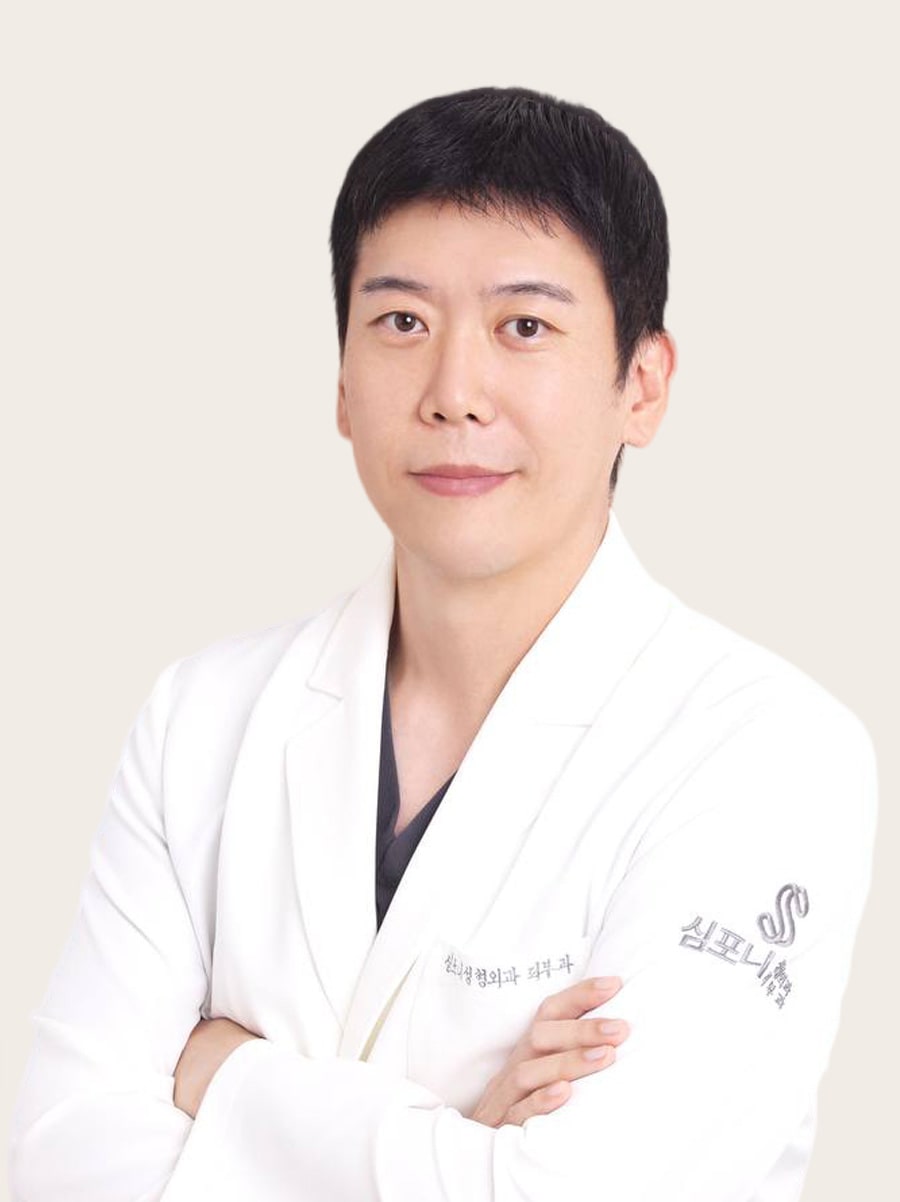
Reviewed by Dr. Ko Dong-il, DirectorUpdated 5 min read
In short A korean botulinum toxin is a purified type A toxin made in Korea that relaxes the injected muscle for a few months. Dose, placement and the spacing between treatments shape the result more than the country on the box.

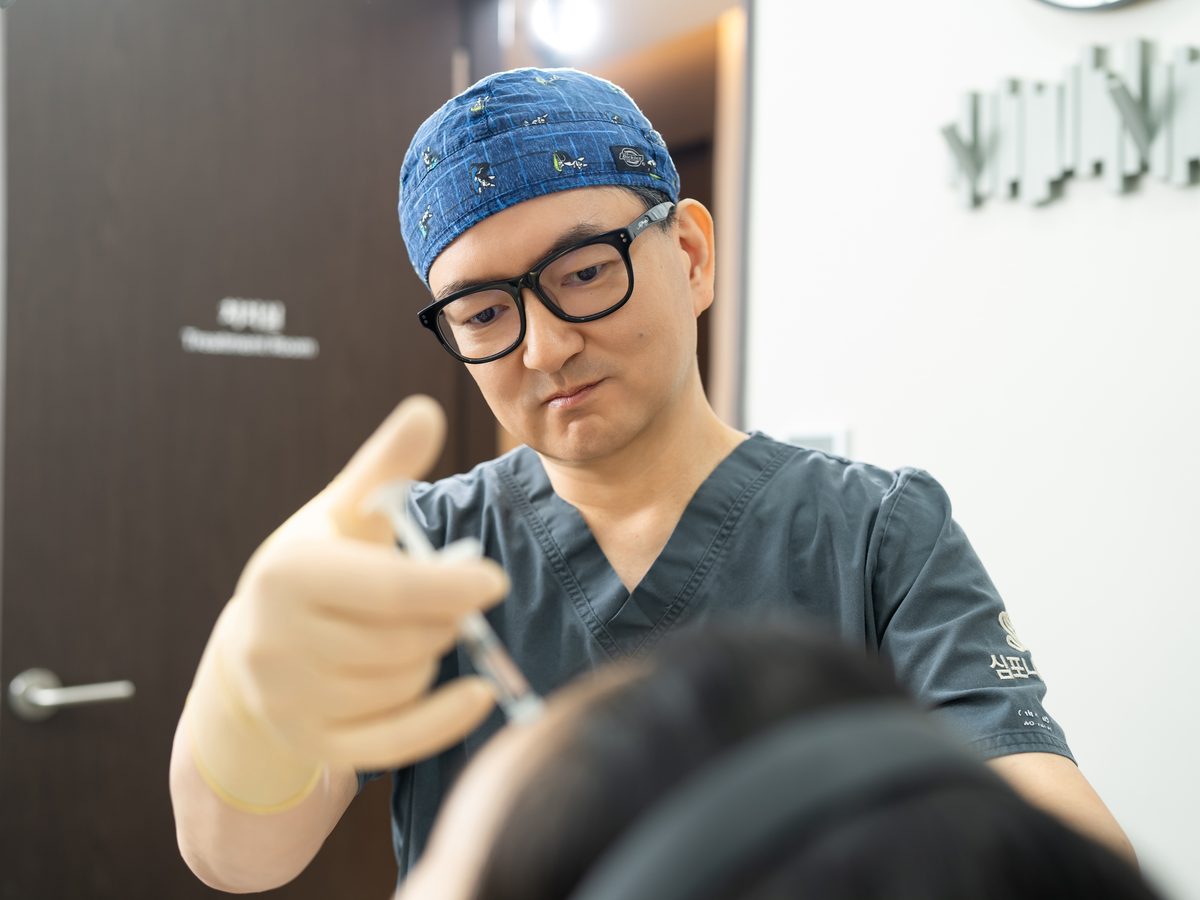
A korean botulinum toxin is a purified type A toxin made in Korea that relaxes the muscle it's injected into for a few months, by the same mechanism as toxins made elsewhere; at Symphony, botulinum toxin and skin toxin treatment takes about 20 minutes with same-day recovery. Arranging it for a parent, the worry is practical: will they follow the doctor, and who do they call if an eyelid feels heavy after the flight home? An interpreter in English, Japanese or Chinese stays from the front desk to the treatment room, and the doctor who consults also injects.
Four terms come up in the consultation, so here they are first:
- Type A: the toxin type used for wrinkles and muscle contouring.
- Units: the dose, which doesn't convert one-to-one between products.
- Muscle or skin injection: one toxin, two depths, two goals.
- Nonresponse: a toxin that stops working as well, sometimes because of antibodies.
What is a korean botulinum toxin made from?
Every product starts from a toxin made by the bacterium Clostridium botulinum, purified and dosed in tiny amounts. Korea has several manufacturers, and one Korean-made type A toxin, prabotulinumtoxinA, has US FDA prescribing information. Each toxin carries its own generic name partly because, as dermatology news reported at the time, units aren't interchangeable.
How a botulinum toxin a korea treatment relaxes a muscle
The toxin blocks the signal a nerve sends to make a muscle contract, so the injected muscle relaxes while its neighbours keep working. Nerve endings recover, so the effect is temporary; the clinic's page gives an interval of every 3-6 months. Lines made by movement soften; lines etched into resting skin change less.
Muscle injections and skin injections are two treatments
Muscle injections go into a targeted part of a muscle, on the forehead, between the brows, around the eyes, at the jaw, calves or trapezius, to soften expression lines or reduce bulk. Skin injections place small amounts into the dermis at many points across the face, for fine lines, firmer-looking skin and smaller-looking pores.
If you're planning this for a parent, send one daylight photo of their face at rest and one while frowning or smiling, plus a list of the medicines they take, on WhatsApp. Write in English, Japanese or Chinese; the matching interpreter is on the chat from the first reply.
Who does a korea botulinum toxin treatment suit?
Botulinum toxin suits lines that come from movement and muscle that has grown bulky: frown lines, forehead lines, crow's feet, a square jaw from a strong chewing muscle, and, in the skin version, spread-out fine lines and enlarged-looking pores. For a parent in their fifties or sixties, the limits are worth knowing first.
Deep lines that stay when the face is still have usually been etched into the skin. Toxin can soften the movement that keeps deepening them, but it won't erase them. Sagging along the jaw or neck is a position problem that toxin doesn't lift; lifting devices work on that layer on a much slower curve, as the month-by-month Ultherapy timeline shows, and the questions to ask before booking Ultherapy help sort out whether sagging is the real issue.
Thin, crepey skin is a third problem again, closer to Rejuran, a polynucleotide skin treatment. The clinic's own page warns that toxin given without regard for the individual can cause hollow cheeks, an awkward expression or resistance, which is why the plan carries as much weight as the product; the earlier guide to toxin treatment in Korea walks through that planning.
Side effects, and who should not have it
Common effects are small bruises, tenderness or a mild headache, settling within days. Less common, and the ones people dread, are a drooping eyelid or brow, an uneven smile, or a heavy-feeling forehead when toxin reaches a neighbouring muscle; these wear off as the toxin does, typically over weeks.
The serious, rare risk is spread of the toxin effect beyond the injection site. The US prescribing information for prabotulinumtoxinA carries a boxed warning that this can cause swallowing or breathing difficulty, from hours to weeks after injection, and symptoms like these need medical attention straight away.
Who should not have it, or should wait:
- Pregnancy or breastfeeding.
- A neuromuscular disorder such as myasthenia gravis.
- An infection or inflamed skin at the injection site.
- Certain medicines, including some antibiotics and muscle relaxants, which can strengthen the effect; bring the full list.
- A previous allergic reaction to a botulinum toxin product.
How much a muscle relaxes, and for how long, differs from person to person, and suitability is confirmed at the in-person exam. If your parent is also weighing a lifting device, the Ultherapy side-effects FAQ sets out that treatment's own list.
Does a south korean botulinum toxin stop working over time?
Toxin can lose effect in some people, and the triggers are about how it's used. A 2025 narrative review in JMIR Dermatology on nonresponse in aesthetic treatment lists neutralizing antibodies, high cumulative doses and short gaps between treatments among the triggers, alongside technical causes such as dosing and placement.
Some products are designed to lower the chance of antibody formation. The clinic's page lists three toxins: a German-made one designed with that aim, a Korean-made one, and an American-made one with a long US FDA history. For a parent who may be treated for years, the practical points are spacing treatments sensibly, avoiding frequent touch-up doses, and keeping a record of which product and how many units went where.
How often would a parent need to come back?
Every 3-6 months is the interval on the clinic's page, so a once-a-year trip means the effect will have worn off well before the next visit. Medically that's fine, because the face returns to how it moved before. It does mean deciding whether occasional treatment on trips is the plan, or whether a doctor at home will continue it.
The US Centers for Disease Control and Prevention advises medical travellers to keep copies of their records and to arrange follow-up care at home before they leave. For botulinum toxin south korea treatments, that record is short: product, units and areas, which a doctor at home can work from.
For the visit itself, the clinic opens weekdays 10:00-19:00 and Saturdays 10:00-17:00 and closes on Sundays and Korean public holidays; the directions and opening hours page shows the route from Sinsa Station (Line 3), exit 8, about a 10-minute walk. If the schedule allows, leave a day before a long flight, so any bruise or question can be looked at while you're still in Seoul.
When you have the dates, send them on WhatsApp together with the areas that bother your parent and whether they've had toxin before.
Questions patients ask us
Are units of botulinum toxin south korea products the same as other products' units?
Not necessarily. Each toxin has its own generic name in the US partly because units aren't interchangeable between products, so a dose is always read for that specific product.
What is Clostridium botulinum, and is there any bacteria in the injection?
Clostridium botulinum is the bacterium that produces the toxin. The realistic risks come from dose and placement, such as a drooping lid or brow.
How close to a flight can my parent have the injection?
The session is about 20 minutes with same-day recovery, so it can be done early in a trip. A day or two in Seoul afterwards gives room to see any bruising or unevenness before the flight home.
Can toxin lift sagging cheeks or a jowl?
No. Toxin relaxes muscle, and the skin version can make skin look firmer, but tissue that has descended needs a lifting treatment that works on a deeper layer.
Can someone on blood thinners have toxin injections?
Blood thinners raise the chance of bruising, so the doctor needs to know about them in advance. Never stop a prescribed medicine on your own; the prescribing doctor at home decides that.
What should we tell the clinic about past treatments?
Earlier toxin, fillers, threads, lasers or surgery, roughly what and when, plus regular medicines, allergies and, where relevant, pregnancy or breastfeeding.
Sources
- Prescribing information: prabotulinumtoxinA-xvfs for injection (boxed warning: distant spread of toxin effect)
- Botulinum Toxins Get New Generic Names
- Exploring Nonresponse to Botulinum Toxin in Aesthetics: Narrative Review of Key Trigger Factors and Effective Management Strategies
- Medical Tourism
Treatment details: Symphony Skin Clinic treatment information, checked Oct 15, 2026.
This page is general information from Symphony Skin Clinic, not a diagnosis. Results, risks and recovery differ by person. Treatment is decided after an in-person consultation with a licensed doctor. Clinic and treatment photos on this page were taken at Symphony Skin Clinic.
Keep reading
- Lifting / FirmnessUltherapy before and after in Korea: a realistic timeline, and why we do not post reviewsA realistic timeline for Ultherapy results in Korea: what happens on the day, how change builds over months, and why we do not publish patient reviews.6 min read
- Lifting / FirmnessChoosing an Ultherapy clinic in Korea: the questions worth asking before you bookWhat actually separates a careful Ultherapy clinic in Korea from a weaker one: who performs it, imaging, and genuine-cartridge checks. Get a quote on WhatsApp.7 min read
- Skin BoosterRejuran in Korea: a skin treatment that is not a fillerRejuran korea explained by a Seoul clinic: what polynucleotide does, why it is not a filler, and how Rejuran, Rejuran i and Rejuran HB differ from each other.8 min read