
Thread Lift Korea Cost: Is a Thread Lift Even the Right Lift for You?

Written by Dr. Hyun Kyung-bae, Chief Director · Plastic surgeon (Korea)Updated 8 min read
In short The thread lift Korea cost comes down to how many threads your sagging needs, which areas are treated and the thread type. It takes about 30 minutes under local anesthesia, with about 2-3 days of recovery.

Wondering whether the thread lift Korea cost still adds up once you count the flight, the hotel nights and a few days of swelling?
Read this before you book flights for a Korean thread lift.
By the end you'll know what sets the price, which review claims hold up, how the methods differ, and how many recovery days to plan. That's enough to tell whether threads fit your face and your budget on this trip.
Hello, I'm Dr. Hyun Kyung-bae, Chief Director at Symphony. I'm a plastic surgeon, a graduate of Yonsei University College of Medicine and a clinical professor at Yonsei, and I've been at Symphony for 17 years.
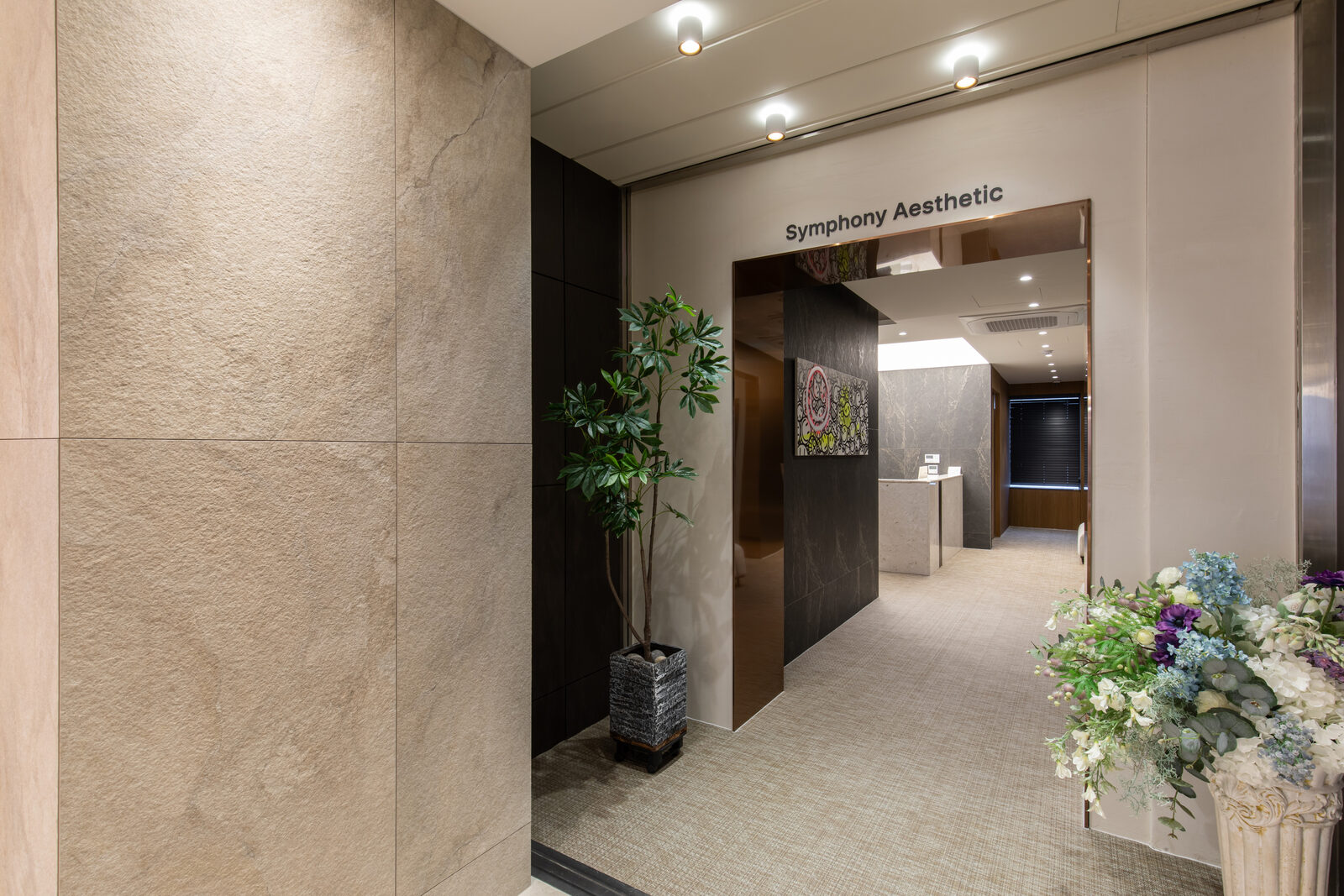
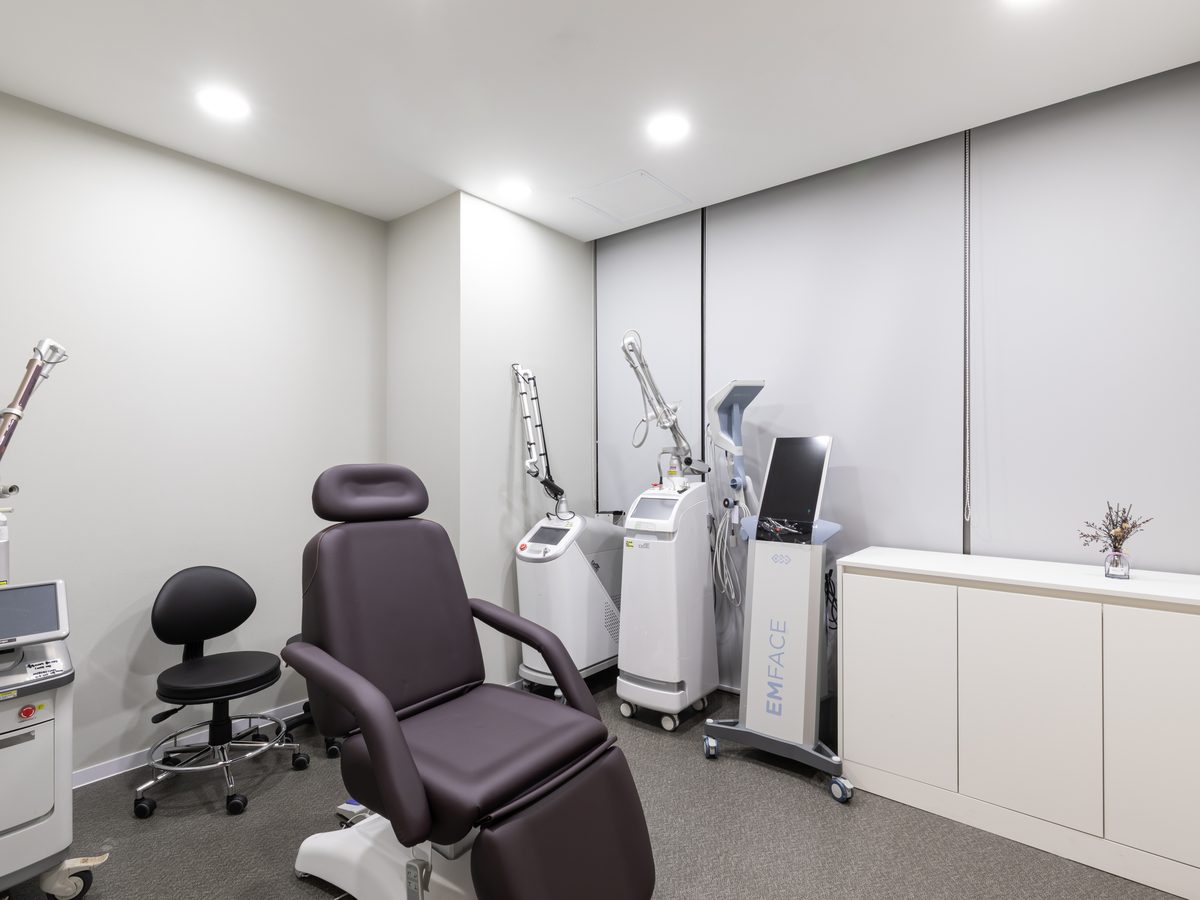
We see one patient at a time, by appointment, in a private treatment room. The doctor who talks through your plan is the doctor who places the threads, and an interpreter stays with you from reception to the treatment room.
I wrote this because people compare thread lift quotes as single numbers, when each number is really a thread count, a set of areas and some days in Seoul.
A thread lift in Korea is priced mainly by thread count, areas and thread type. The treatment takes about 30 minutes under local anesthesia, and recovery is usually about 2-3 days.
Is a thread lift the right lift for your sagging?
A thread lift raises early sagging with absorbable threads placed under the skin. It suits a jawline that's starting to blur or cheeks sitting a little lower, while the skin still has spring. When skin hangs in folds, threads give little lift, and the comparison to make is a facelift. How much lift you need decides how many threads go in, and that is where the cost starts.
Which thread lift methods suit which kind of sagging?
Most lifting threads are absorbable, and PDO (polydioxanone) is the material behind the 'PDO thread lift' you may have searched. Smooth threads mainly support the skin. Threads with small barbs, called cogs, grip the tissue and do the lifting.
What I want to know first is which way your tissue needs to move, because each thread's direction matters more than the count. A softening jaw or chin line usually means threads along the jaw; flat mid-cheeks need a vector toward the temple. Nose threads are a separate procedure, so treat a nose quote as its own question.
What goes into a korean thread lift cost?
Here is what moves the thread lift Korea cost for you:
- Threads per side. More sagging means more threads, and each one is part of the total.
- Areas. Jawline and chin, mid-cheek and neck are separate areas.
- Thread type. Cog and smooth threads, and their material, differ.
- Anything added that day. A device lift alongside threads changes the total. If it wouldn't change what you came in for, I'll say so.
- Your days in Seoul. Recovery is usually about 2-3 days, so hotel nights belong in your budget.
Anesthesia for a thread lift here is local. Before anything is placed, you hear the whole plan and the total.
If you'd like the figure for your own face, send two photos on WhatsApp, front and side in daylight with your jaw relaxed, and ask the one question that matters for your budget: how many threads would this need? Asking with your own photos keeps the answer about your face.
What thread lift reviews get right, and what they leave out
Forum threads about a Korean thread lift tend to repeat the same few claims. Some hold up medically and some don't.
You're back to normal the next day. Partly. The treatment takes about 30 minutes under local anesthesia and you walk out afterwards, but recovery is usually about 2-3 days, and a bruise can take longer to fade.
It looked lifted, then dropped after two weeks. Usually that's settling. In the first days, swelling and the slight bunching where threads grip make the lift look stronger than it will stay. As that eases the face looks less pulled, and what you see then is closer to your actual result.
Threads are a facelift without surgery. They aren't. Threads lift soft tissue modestly, and the effect fades as the material absorbs. On heavy, loose skin the change is small, which is why the amount of sagging comes first in any plan.
Dimples mean something went wrong. Small dimples or puckers near where threads enter or grip are common early and often smooth out within a week or two. A dimple that stays, or a thread end you can see or feel, is a different matter and worth a check.
When you read a Korea thread lift price in a review, remember it reflects one person's thread count and areas. It tells you very little about yours.
What does 2 weeks after a thread lift feel like?
For many people the first 2-3 days bring swelling, a tight feeling and soreness when chewing or yawning. Bruising, if you get it, fades over the following week or so. By two weeks after a thread lift, most swelling has usually settled. You may still feel a thread line when you press the skin, and a pull when you open your mouth wide.
Common aftercare advice for the first weeks is to avoid opening your mouth very wide, firm facial massage, dental work and sleeping face-down. Ask for the aftercare instructions that match the threads and areas in your plan, and keep them on your phone for the flight.
Here's how that fits a trip. We're open weekdays 10:00 to 19:00 and Saturdays 10:00 to 17:00, and closed Sundays and Korean public holidays, so check the calendar before you buy flights. Say you land on a Wednesday night. A Thursday visit leaves Friday and Saturday for the 2-3 recovery days in Seoul, and you can keep Sunday quiet before a Monday flight. The clinic is about a 10-minute walk from Exit 8 of Sinsa Station on Line 3, and directions and opening hours are on one page.
The CDC's medical tourism guidance asks travelers to allow time to recover before flying home and to keep copies of their medical records. That applies to threads too: a note of what was placed and where helps any doctor who sees you later.
Who should wait, and what can go wrong after you fly home
Risks and side effects to know
Swelling, bruising, tenderness and a tight feeling are expected for a few days. Mild unevenness between the two sides and small skin dimples can show early and usually ease within one to two weeks. The American Society of Plastic Surgeons lists bruising, infection, visible or palpable threads and skin dimpling among thread lift risks. Less often, a thread can shift or its end can work toward the surface. Healing differs from person to person.
As general medicine, it's wiser to wait or skip threads if the skin in the area has an active infection or a bad acne flare, if you're pregnant or breastfeeding, or if you have a bleeding disorder or take blood-thinning medication. In that last case, tell the doctor, and don't stop a prescribed drug on your own. Mention any recent filler or other procedure in the same area. And if your skin is heavy and loose, threads may give too little lift to be worth the trip.
Whether threads suit you is decided at the in-person exam, once the doctor has felt the skin and watched how it moves when you talk.
If something changes after you're home, watch for redness, warmth or pain that gets worse after the first few days, fever, or any discharge. Those can mean infection, and a local doctor should see you promptly. For a dimple that won't settle or a thread you can feel poking, take a clear daylight photo and message us on WhatsApp with your treatment date.
Say you have a softening jawline and five days in Seoul
Say you're in your mid-thirties, the corners of your jaw blur when you look down at your phone, and your cheek skin still springs back when you pinch it. That's the early sagging threads were made for. I'd think about the jaw first, and add a cheek vector only if lifting the jaw alone leaves the mid-face looking flat. Fewer areas means fewer threads and a shorter recovery, which also keeps your total lower.
If your jaw looks square because the chewing muscle is strong, threads won't change that. It's a muscle question, and botulinum toxin for the jaw muscle is the more relevant read.
Now say what bothers you is general looseness across the lower face, and you'd prefer no recovery days at all. Then a device lift such as Ultherapy PRIME is the closer fit. It works under the skin with nothing left behind, and you're back to your day the same day. The trade-off is that the change comes gradually, and some people feel tender for a few days. The Ultherapy results timeline shows how slowly that change arrives, and the questions worth asking before you book apply just as well to threads.
Getting a figure for your own face before you fly
A photo gives a direction, not a final plan, so think of your first message as narrowing things down. On WhatsApp, send a daylight photo from the front and one from the side along with your travel dates, and ask how many days in Seoul a plan like yours would need. One photo is enough to start, and you can ask before booking anything. When you come in, the doctor examines your face in person and recommends the threads and areas that fit.
Questions patients ask us
Is a chin thread lift a smaller job than a full jawline lift?
Usually it means fewer threads in one area, so the plan and recovery are lighter. But if a loosening jowl is what blurs your chin line, threads at the chin alone may not change what you see, and the jaw has to be part of the plan.
What is a PDO thread lift?
PDO (polydioxanone) is an absorbable material that many lifting threads are made from. Smooth PDO threads mainly support the skin, while barbed or cog threads grip the tissue and lift it. The material absorbs over time, which is why the lift is temporary.
Can I fly home the day after a thread lift?
The treatment takes about 30 minutes under local anesthesia, so sitting on a plane is possible for many people. Recovery is usually about 2-3 days, though, and swelling and soreness are easier to manage in a hotel room than in a cabin seat. If you can, keep those days in Seoul.
Does the thread lift price in Korea include anesthesia?
A thread lift here is done under local anesthesia as part of the procedure. To see exactly what your total covers, ask what the figure for your plan includes before you book anything.
How long does a Korean thread lift last?
The threads absorb over months and the lift fades gradually. How long it holds depends on your skin, how much sagging there was and the thread type, so a single number would not be honest before your face has been examined.
Can I combine a thread lift with a device lift on the same trip?
Some people pair threads with a device such as Ultherapy PRIME or Thermage FLX. It makes sense only when each one treats something the other can't. Adding a device raises the total, so ask which part of your concern each would change.
Sources
Treatment details: Symphony Skin Clinic treatment information, checked Oct 24, 2026.
This page is general information from Symphony Skin Clinic, not a diagnosis. Results, risks and recovery differ by person. Treatment is decided after an in-person consultation with a licensed doctor. Clinic and treatment photos on this page were taken at Symphony Skin Clinic.
Keep reading
- InjectablesWhat botox costs in Korea, and why we price it by area rather than by unitBotox in korea cost by area at a Seoul clinic: expression lines 50,000 to 200,000 and muscle areas 150,000 to 700,000 KRW per area, VAT 10% charged separately.8 min read
- Lifting / FirmnessUltherapy before and after in Korea: a realistic timeline, and why we do not post reviewsA realistic timeline for Ultherapy results in Korea: what happens on the day, how change builds over months, and why we do not publish patient reviews.6 min read
- Lifting / FirmnessChoosing an Ultherapy clinic in Korea: the questions worth asking before you bookWhat actually separates a careful Ultherapy clinic in Korea from a weaker one: who performs it, imaging, and genuine-cartridge checks. Get a quote on WhatsApp.7 min read

