What 0.3 microlitres tells you about a Korean skin booster injection

Reviewed by Dr. Kang Eun-joo, DirectorUpdated 8 min read
In short A Korean skin booster injection places tiny amounts of a hydrating or regenerative product, such as PN, PLA with HA, or exosome, into the dermis at many points. The product is chosen after your skin is read in person.

0.3 microlitres. That is the average amount of product Mirajet, one of the devices we use to deliver boosters, places in the skin with each pulse. A Korean skin booster injection works at that scale: hundreds of tiny deposits of a hydrating or regenerative product placed into the dermis, rather than one larger dose that changes the shape of your face. It is not a filler, and the product that goes in is chosen after your skin is read, not before.
If you're fitting this into a few days in Seoul, the numbers below are the ones worth understanding before you buy a flight: the molecule size that explains why boosters are injected at all, what each product on our skin booster menu actually is, how deep and how fast it goes in, and the hours of redness you should plan your afternoon around.
What is a Korean skin booster injection, exactly?
A skin booster is an intradermal treatment: small amounts of product spread across many points in the dermis, aimed at hydration, texture and tone rather than volume. Our booster center lists five, including Symphony Custom Booster, Rejuran Healer and Exosome.
The session line on that page reads "regular care", and that is the realistic framing. A booster is something skin responds to over a series of visits. It does not lift a jawline or fill a fold, which is the job of different tools working at different layers.
The difference from filler is mostly geometry. A filler puts a defined amount of material in one place to change a contour. A booster spreads a little product thinly and evenly so the skin itself holds water better or is prompted to renew its own collagen.
Why 500 daltons explains the needle
Molecules much larger than about 500 daltons barely cross intact skin. That threshold, described as the 500 Dalton rule by Bos and Meinardi in Experimental Dermatology in 2000, is why a cream labelled "PN" or "hyaluronic" cannot do what the injected version does.
Polynucleotide chains and hyaluronic acid polymers are far larger than that limit. Applied on top, they mostly stay on the surface, where they can still help the barrier feel comfortable. To reach the dermis, where collagen and water-holding matrix live, the product has to be placed there.
So the useful question is not whether to inject, if dermal change is what you want, but how to get product into the dermis with as little trauma as possible. That is where the delivery numbers further down come in.
Which product goes in: PN, PLA with HA, exosome or a custom mix?
Product choice depends on what your skin is short of. The table describes each product the way our own treatment pages describe it, plus what the published research on polynucleotides covers.
| Product | What it is | What it is aimed at |
|---|---|---|
| Rejuran Healer | A polynucleotide (PN) injectable | Skin quality and texture, the area most PN studies examine |
| Juvelook / Juvelook Volume | High-molecular PLA combined with hyaluronic acid | Prompting your own collagen |
| Exosome | Stem cell culture ingredients | Renewal and support for the skin barrier |
| Jalupro | Pure amino acids and hyaluronic acid in a set ratio | Supplying nutrients skin cells use |
| Symphony Custom Booster | Ingredients and concentration decided per patient on the day | Hydration and skin condition as read that day |
A systematic review in the Journal of Cosmetic Dermatology gathered the clinical studies on polynucleotides in esthetic medicine, and they mostly look at skin quality, fine lines and texture rather than volume. If you searched for a PDRN for dry skin, it helps to know that PN and PDRN are related but not identical: a 2025 review in Pharmaceutics compares the two and describes how they differ in fragment length and how they behave in tissue.
We have separate pages on how Rejuran works as a non-filler treatment and on deciding between Juvelook and Juvelook Volume, so this table stays short on purpose.
How many points, how deep, and how fast?
Three delivery methods are used for boosters here, and the choice follows the product and the current state of your skin:
- Mirajet delivers product as a micro jet without a needle: up to 40 pulses a second, 2,400 a minute, an average of 0.3 microlitres per pulse. Our page describes no separate recovery time and no visible bumps.
- I-JECT is digital automatic injection that holds a steady speed, which spreads product evenly and reduces injection discomfort.
- Hand injection places each point directly, by the doctor.
What decides between them is mostly visible only in person. On our list of things a video call cannot read are pore and texture detail, redness and vascular condition, and measured skin thickness and elasticity.
As a general principle, thin and reactive skin with visible vessels has more to lose from every extra needle pass, so a jet or a slow, even automatic injection can be considered there. A product meant to build collagen at a set depth, such as PLA with HA, usually needs a needle placed at that depth.
Depth is the number people rarely ask about. A booster sits in the dermis; too shallow and you may see small raised spots for a while, too deep and the product works where it was not intended. That is the reason the skin is measured first and the method is picked second.
Planning a skin booster injection in Korea around a short trip
Put it in the middle of the trip, not on the last morning. In the sample four-day plan on our video consultation page, a custom skin booster sits on day 3 next to Sofwave, with mild redness that settles within hours, and day 4 is a Mirajet calming session to settle the skin before the flight.
That plan is labelled as an illustration built from device downtimes, not a fixed program. Your own order depends on your skin and your dates.

A few logistics that shape the calendar:
- The clinic is open weekdays 10:00 to 19:00 and Saturday 10:00 to 17:00, and closed Sundays and Korean public holidays. A Saturday-only visit works; a Sunday one does not.
- The clinic is at 2F, 165 Dosan-daero in Gangnam (Sinsa Hill Building), about a 10 minute walk from Sinsa Station (Line 3) Exit 8.
- An interpreter stays with you from reception to the treatment room, in English, Japanese or Chinese.
- Appointments are one patient per room, and the physician who consults with you is the one who treats you. There are four physicians on our team.
If you want to sightsee the same afternoon, the realistic expectation is some redness and possibly a few needle marks or small bruises, which makeup can usually cover once the doctor says the skin is ready for it. Leave at least a day between the booster and any photos you care about.
Side effects, risks and who should wait
The common problems are local and short-lived: redness, swelling, tenderness, small bumps and bruising where a needle went in. The FDA's page on dermal fillers, a related class of injectables, lists these among the common risks and names unintentional injection into a blood vessel as a rare but serious one.
That rare risk matters more for products with hyaluronic acid or volume than for a thin hydrating mix, but every injected product carries some risk. Infection and allergic reaction are possible too, and how your skin responds varies from person to person.
These are the situations where waiting is usually the sensible call:
- an active acne flare, cold sore or skin infection in the area to be treated
- pregnancy or breastfeeding, when elective injectables are generally postponed
- a known allergy to any ingredient; PN products are derived from fish DNA, so mention any fish allergy
- blood-thinning medication or supplements, which raise the chance of bruising (do not stop prescribed medication on your own)
- an event or important photos within the next day or two
Glass skin is the goal people name; hydration and texture are what a booster changes
A booster series can improve how hydrated, smooth and even the skin looks. It does not tighten sagging, erase deep folds, or reach pigment that sits deep in the dermis, and whether pigment is shallow or deep is something only an in-person look can tell.
If the thing that bothers you in the mirror is laxity rather than texture, the tools are different: radiofrequency across the dermis, as in how Thermage FLX works, or ultrasound held in the mid dermis, covered in choosing a Sofwave clinic. Many faces need a booster for the surface and nothing else; some need the reverse.
What happens between sessions counts as well. Our skincare program runs from in-clinic care through to home care, and the principles we hold to include telling you when a treatment can wait.
The practical next step is small. Take one clear photo of your face in daylight, without makeup or a camera filter, since lighting and makeup change how skin reads on a screen, and send it on WhatsApp with the dates you will be in Seoul. The doctor looks at what a photo can show, and the rest is confirmed in person before anything begins.
Questions patients ask us
Does a skin booster injection in Korea hurt?
Most people describe pricking and pressure rather than sharp pain, and numbing cream is commonly used before needle injection. Mirajet delivers product without a needle and I-JECT injects at a steady automatic speed, both aimed at less discomfort. Sensitivity varies, and the doctor can adjust the method to your skin.
Is Rejuran the same thing as a skin booster?
Rejuran Healer is one type of skin booster, a polynucleotide (PN) injectable. Other boosters use different ingredients, such as PLA with hyaluronic acid in Juvelook or stem cell culture ingredients in Exosome. Which one fits depends on what your skin is short of.
Can I get a Korean skin booster injection on a Sunday?
Not at our clinic. Symphony is open weekdays 10:00 to 19:00 and Saturday 10:00 to 17:00, and closed Sundays and Korean public holidays. If your trip runs Friday to Sunday, Saturday is the day to plan around.
Do I need to speak Korean for a skin booster appointment in Seoul?
No. An interpreter accompanies you from reception to the treatment room in English, Japanese or Chinese, so the consultation and the treatment happen in a language you follow.
Will one session give me Korean glass skin?
Unlikely. Boosters work on hydration, texture and tone over a series of sessions, and the published research on PN looks at multi-session use. One session can make skin feel more hydrated, but the degree and speed of change vary from person to person.
Can the doctor choose my booster from a video call?
A video call is for planning: concerns, dates and downtime. Pore and texture detail, redness and measured skin thickness need to be seen in person, so the product and method are confirmed at the clinic before anything begins.
Sources
- The 500 Dalton rule for the skin penetration of chemical compounds and drugs (Experimental Dermatology, 2000)
- The Effectiveness of Polynucleotides in Esthetic Medicine: A Systematic Review
- Comparison of Polynucleotide and Polydeoxyribonucleotide in Dermatology: Molecular Mechanisms and Clinical Perspectives (Pharmaceutics, 2025)
- Dermal Fillers (Soft Tissue Fillers)
Treatment details: Symphony Skin Clinic treatment information, checked Oct 9, 2026.
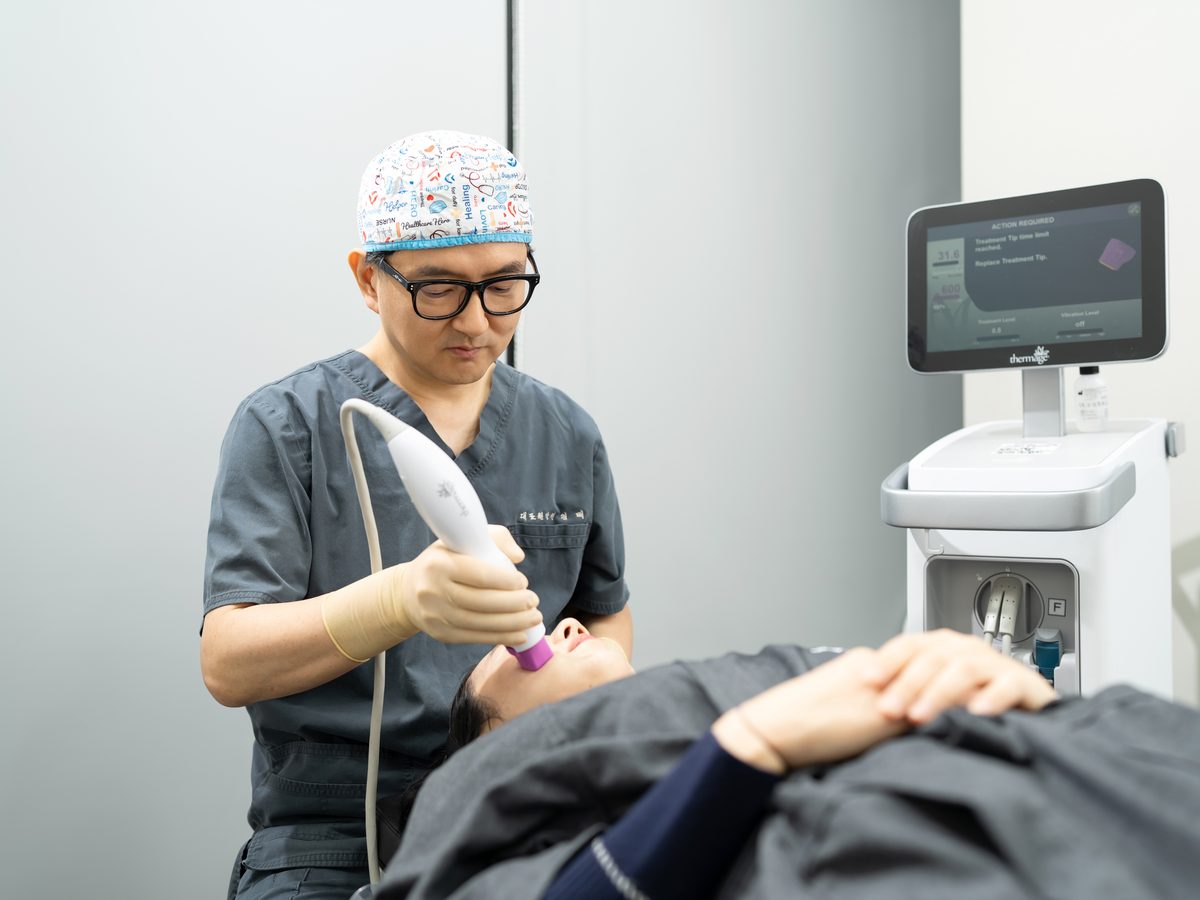
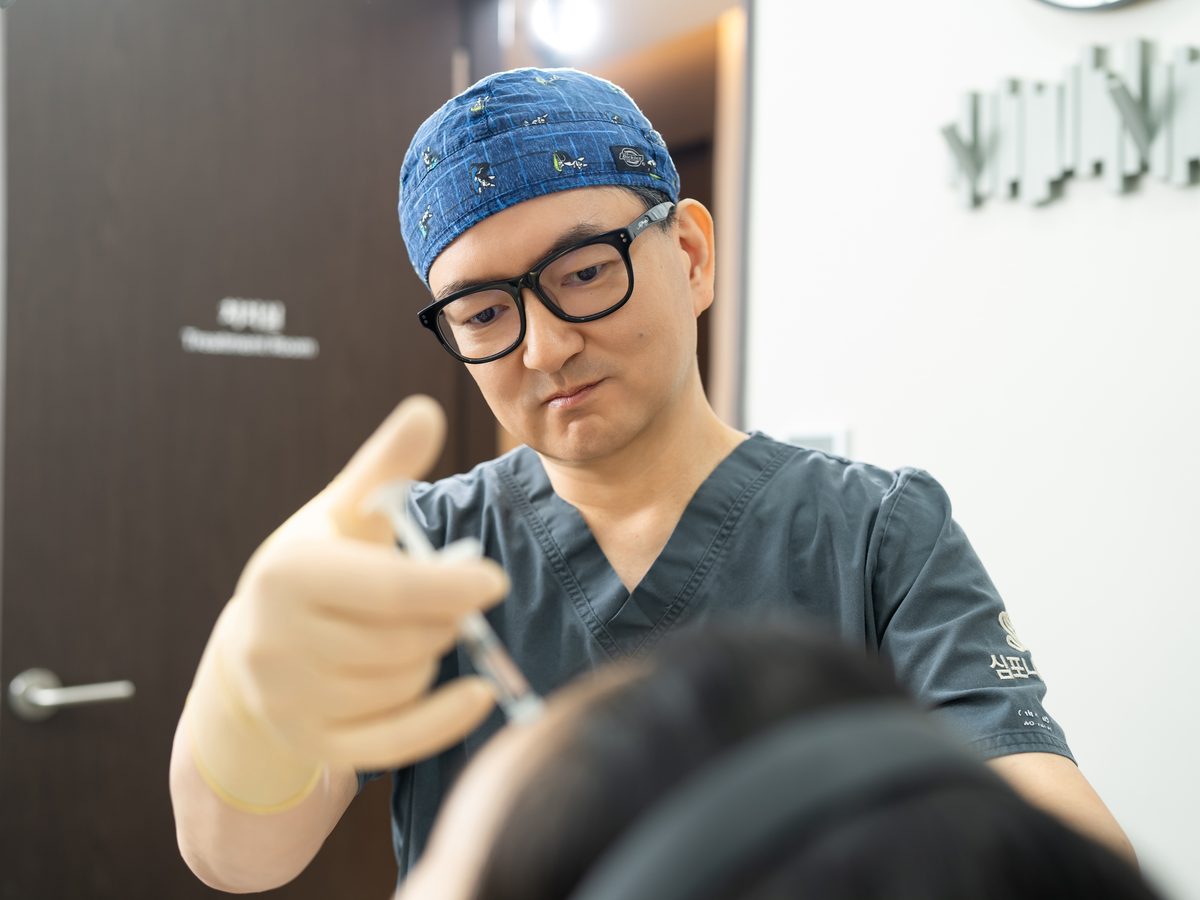
This page is general information from Symphony Skin Clinic, not a diagnosis. Results, risks and recovery differ by person. Treatment is decided after an in-person consultation with a licensed doctor. Clinic and treatment photos on this page were taken at Symphony Skin Clinic.
Keep reading
- Skin BoosterRejuran in Korea: a skin treatment that is not a fillerRejuran korea explained by a Seoul clinic: what polynucleotide does, why it is not a filler, and how Rejuran, Rejuran i and Rejuran HB differ from each other.8 min read
- Collagen / VolumeChoosing a Juvelook clinic in Korea: Juvelook or Volume first, then four questions to askChoosing a juvelook korea clinic? How standard Juvelook and Juvelook Volume differ (24 vs 40 μm), and four questions you can put to any clinic in Seoul.8 min read
- Lifting / FirmnessThermage in Korea: how FLX works, honest side effects, and choosing a Seoul clinicHow Thermage FLX works, who it suits, what side effects to expect and what to ask a Thermage Seoul clinic. Doctor-reviewed guide with a WhatsApp quote.8 min read